
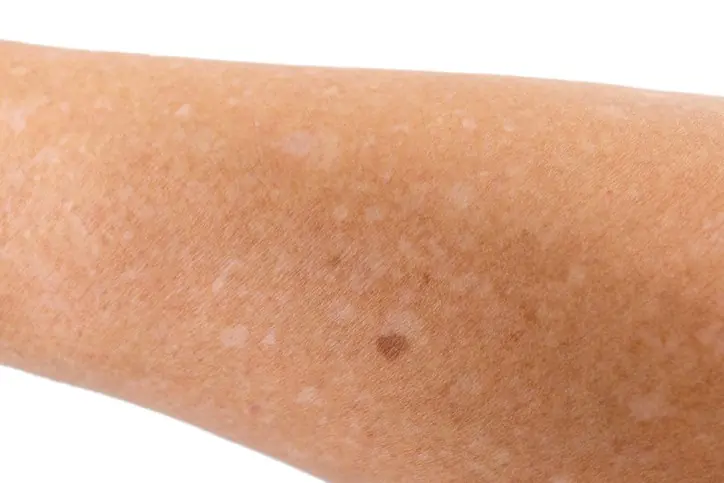
White spots on the skin have a way of catching you off guard. They show up suddenly—after a hot shower, under harsh bathroom lighting, or when the seasons shift—and your first instinct is to wonder whether something serious is going on. Most of the time, these pale patches are harmless. But sometimes, they’re the skin’s way of telling you something deeper is out of balance. Among the many possible causes, vitamin deficiencies—especially in B12 and D—are two of the most common nutritional links to changes in pigmentation. When your body doesn’t get enough of these nutrients, melanin production can falter, and the skin begins to lose its uniform tone.
Vitamin B12 is a major player in keeping skin cells functioning properly. It supports normal cell turnover, helps regulate pigment, and contributes to the overall health of the skin. When your B12 levels dip too low, the first symptoms often show up subtly. Instead of dramatic changes, you might notice small pale patches that don’t tan evenly, or areas that look slightly lighter than the surrounding skin. In more pronounced cases, this deficiency can play a role in hypopigmentation disorders, including vitiligo. People who avoid animal products—such as vegetarians or vegans—are more prone to B12 deficiencies simply because the vitamin is naturally concentrated in meat, dairy, and eggs. The skin changes are only one piece of the puzzle; fatigue, tingling in the hands or feet, and difficulty focusing often follow.
Vitamin D is another silent contributor to skin tone. While most people associate vitamin D with bone health, it also supports the skin’s immune response and general function. Without enough of it, the skin may react unpredictably when exposed to sunlight or inflammation, sometimes resulting in lighter patches or uneven coloration. The challenge is that a large portion of adults don’t get enough vitamin D—especially those who spend most of their time indoors, live in northern regions, or have darker skin tones that naturally limit vitamin D production from sunlight. Even people who regularly go outside may struggle if they always use heavy sunscreen or cover most of their skin. The deficiency doesn’t always announce itself loudly, and skin discoloration may be one of the earliest and easiest signs to overlook.
Supporting your skin with proper nutrition doesn’t require complicated routines or expensive supplements—just consistency and attention. Foods like spinach, lentils, beans, almonds, sunflower seeds, fortified cereals, eggs, and lean meats are excellent sources of the vitamins and minerals responsible for pigment formation. Adding fatty fish, mushrooms, and fortified dairy or plant milks can help maintain vitamin D levels. Even small shifts in diet can have a noticeable impact over time. A balanced intake isn’t just good for your skin tone; it improves the skin’s overall ability to recover from everyday irritation, sun exposure, dryness, and environmental stress.
But here’s the other side of the story: not every white spot is caused by a nutritional issue. Skin is complicated, and sometimes discoloration is triggered by entirely different factors. A common non-nutritional culprit is tinea versicolor, a mild fungal infection that appears as patches of lighter or darker skin, often on the chest, back, or arms. It’s harmless and easy to treat, but it can look almost identical to nutrition-related hypopigmentation. Eczema can also leave behind pale areas once inflammation subsides. Even a simple scrape, bug bite, or mild breakouts can heal with temporary discoloration that lingers far longer than the original irritation. Autoimmune conditions like vitiligo introduce a different layer of complexity, producing symmetrical or expanding white patches due to the immune system mistakenly affecting pigment-producing cells.
Because so many conditions can mimic each other, guessing at the cause isn’t productive. The skin doesn’t always tell you everything at once, and two issues can overlap. You might have both a vitamin deficiency and a mild fungal infection, or post-inflammatory changes and low zinc levels. That’s why getting a professional opinion from a dermatologist matters—especially if the patches grow, multiply, refuse to fade, or are accompanied by itching, dryness, or sensitivity. A simple exam or a quick test can pinpoint the real cause and keep you from treating the wrong problem.
Nutrition, lifestyle, and medical care all work together when it comes to maintaining even-toned, healthy skin. A few minutes of sun exposure each day—balanced with appropriate protection—helps support natural vitamin D levels. Eating a diverse diet ensures your body has the raw materials needed to create melanin and restore damaged skin. And paying attention to subtle changes in your skin gives you a chance to respond early, before small imbalances turn into bigger concerns.
White spots might look insignificant at first, but they can be early clues your body is sending you. Whether they’re linked to vitamin deficiencies, mineral imbalances, fungal overgrowth, or something else entirely, the important thing is noticing them and taking the time to understand what your skin is trying to say. The earlier you pay attention, the easier it becomes to protect your skin’s long-term health and maintain a balanced, even complexion.
Caring for your skin isn’t just about appearance. It’s about staying aware of your health, your habits, and the signals your body gives you. White spots may be small, but they’re worth listening to—because healthy, resilient skin starts long before you see it in the mirror.