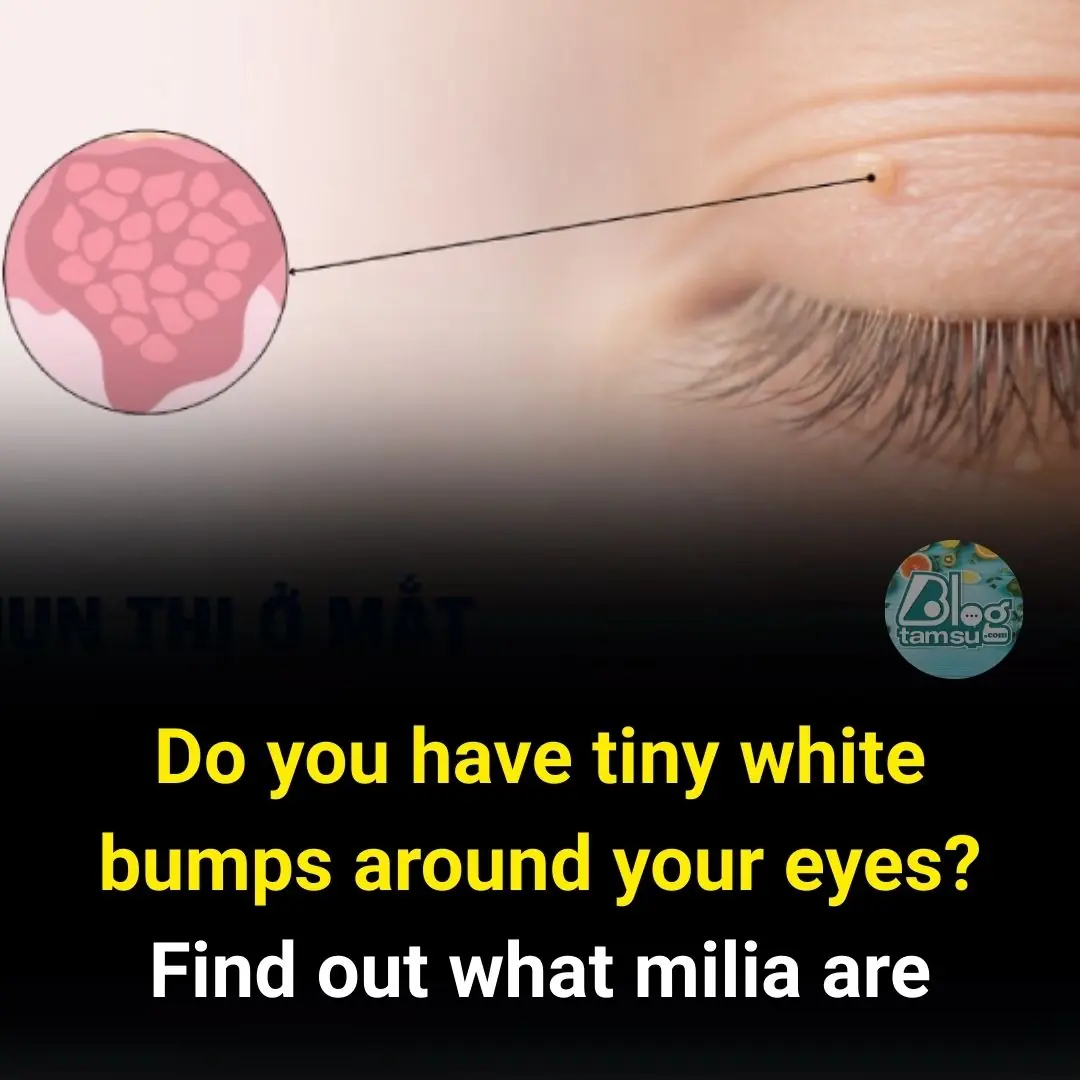
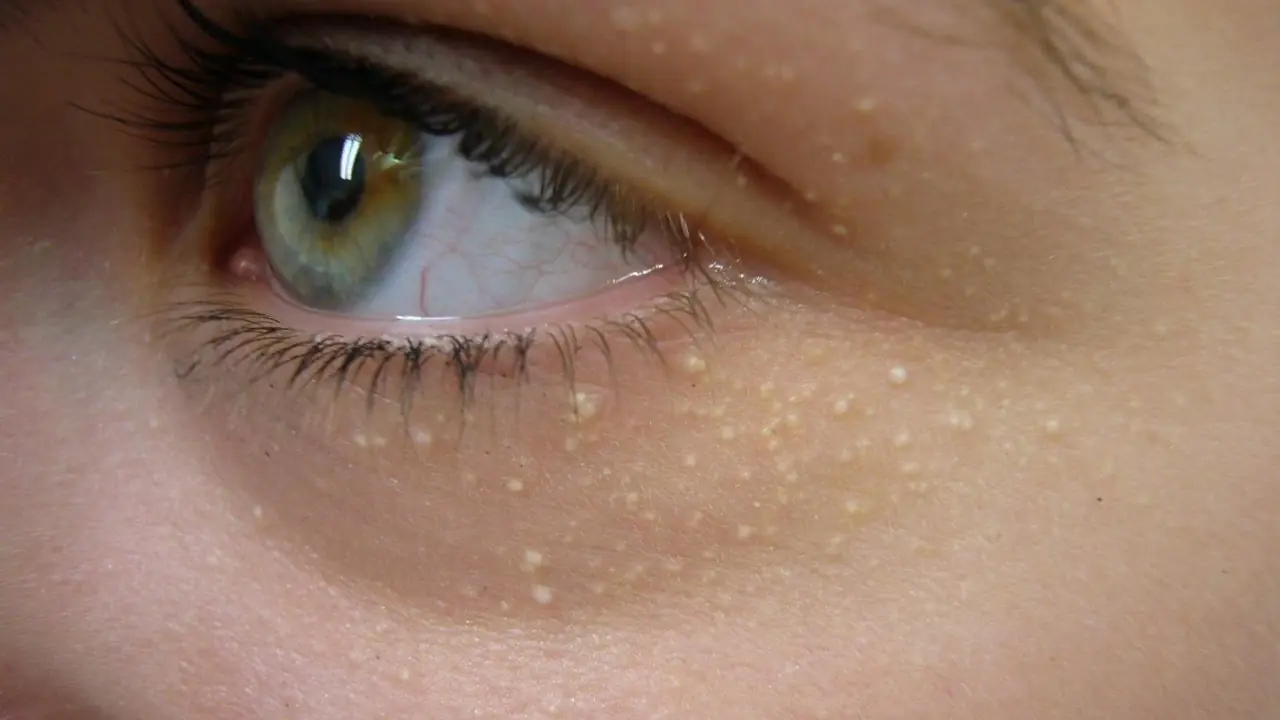
What do milia look like?
Have you ever seen small white bumps on your face, particularly on your upper cheeks or around your eyes? Chances are it’s milia (plural: milia, single: milium). They’re painless small white cysts that don’t feel itchy or irritated unless they are picked or aggravated. Milia typically appear in clusters, feel hard, and are usually easy to identify.
How do milia form?
A milium forms when dead skin cells or keratin, a protein, get trapped beneath the skin’s surface and become small, hard cysts. This most commonly occurs on the cheeks and eyelids in people of all ages and ethnicities. However, milia are particularly common in newborn babies with up to 50% of all newborns experiencing the small white bumps on their skin. At the other end of the age spectrum, milia are also known to occur as a result of the ageing process. This is because the skin loses its natural ability to exfoliate, contributing to a collection of dead skin cells which can become trapped under the skin.
What increases your risk factor for milia?
Sun damage is one of the major risk factors for developing milia. Sun exposure can cause your skin to take on a less flexible, more leathery texture, preventing dead skin cells from rising to the skin’s surface. This means that they can’t shed in their usual way and instead build up beneath the surface of the skin, turning into small white cysts.
To help prevent this, you should use SPF 15 on your face every day, as well as ensuring you have a good skincare routine involving gentle exfoliation.
What are the different types of milia?
There are two main types of milia – primary and secondary. Primary milia are the type of milia that newborn babies experience, and they typically occur due to the build-up of dead skin cells below the skin’s surface, as previously mentioned in this article. Secondary milia usually happen when you experience a skin condition that damages the pore lining. Examples of this might be burns or rashes that cause skin trauma, leaving milia behind once healed.
A third less common type of milia to note is known as ‘milia en plaque’. It particularly affects middle-aged women and can be seen behind the ears, as well as on the cheeks, jawline and on the eyelids. With this type of milia, multiple small white bumps are clumped together with a defined border around them, making it easy to diagnose.
How can you treat milia?
First and foremost, it’s crucial that you don’t try to squeeze your milia as you might try to with a zit. Milia are hard, so there’s nothing to squeeze, and it could potentially leave your skin permanently scarred. You can also put yourself at risk of an infection and, given that milia cause no pain or irritation, it’s just not worth it! Milia usually disappear on their own.
If you find that your milia are taking longer than a few months to go away and it bothers you on a cosmetic level, then there are treatments available to remove them. These treatments include:
- Cryotherapy: Each milium is frozen using liquid nitrogen, and disappears a few days later. You will likely experience some temporary blistering or swelling as a result of the liquid nitrogen.
- Minicycline: An antibiotic taken orally which is particularly beneficial for milia en plaque.
- Curettage: The milia are removed once your skin has been numbed, followed by a doctor using a hot wire to re-seal the skin.
- De-roofing: Again, this is performed by a doctor and involves the use of a needle or blade to remove the milia safely and effectively.
- Exfoliating treatments: If these contain salicylic acid, alpha hydroxyl acid or a retinoid such as adapalene, they can help to remove your skin’s dead cells and cause the tiny white bumps to disappear more quickly.
What home remedies are there for milia?
Once you already have milia, there are a few things you can try at home to help them to disappear.
- Exfoliate regularly (2-3 times a week) to remove the dead skin cells
- Wash your face with soap daily
- Steam open the pores over a hot bath or shower
If you are prone to milia forming then you could try the following easy tips and assess whether it makes a difference:
- Wear SPF daily
- Avoid regular strong sun exposure
- Avoid oil-based skincare products
Further to this, there are skincare products with ingredients which are known to trigger the formation of milia. If you are keen to avoid milia, or would like to reduce the appearance of milia which you already have, you could try to steer clear of skincare containing:
- Liquid paraffin
- Liquid petroleum
- Paraffin oil
- Paraffinum liquidum
- Petrolatum liquid
- Petroleum oil
When do you need to see a doctor?
Milia tend not to cause long-term problems and therefore typically don’t require a visit to the doctor. If you do visit a doctor for milia removal, it will likely be because it is bothering you on a cosmetic level, and not because you are experiencing any discomfort or pain.
The main takeaway from this article is to understand that milia are natural and harmless. There are steps you can take to minimise their formation and appearance around the eyes if you wish to, but milia is nothing to be concerned about.