Heart attacks are often thought of as sudden and unpredictable events. However, medical experts emphasize that the body frequently sends early warning signals weeks or even months in advance. The problem is that many people either ignore these signs or mistake them for minor issues.
Recognizing these early symptoms can be life-saving. By paying attention and seeking medical advice in time, individuals may reduce the risk of serious complications.
Why Early Warning Signs Matter
The heart is central to the body’s function, pumping blood and oxygen to vital organs. When something disrupts this process—such as narrowed or blocked arteries—the body begins to show signs of distress.
These signals may not always be dramatic, but they are often persistent and progressive. Understanding them can help you act before a critical event occurs.
1. Unusual Fatigue
One of the earliest and most overlooked symptoms is persistent fatigue. This is not ordinary tiredness after a long day, but a deep, ongoing exhaustion that doesn’t improve with rest.
People may find it difficult to perform routine tasks, such as walking short distances or climbing stairs. This type of fatigue may indicate that the heart is struggling to pump blood efficiently.
2. Swelling in the Legs, Ankles, or Feet

 4
4
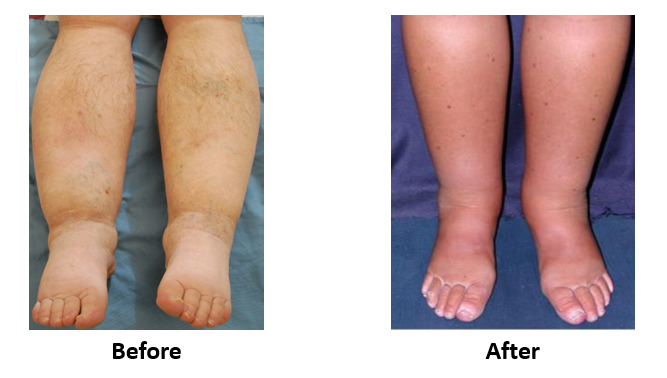
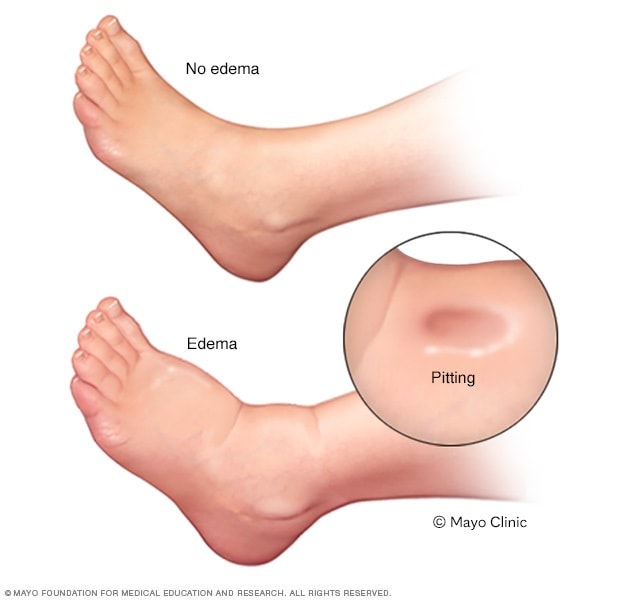
Swelling in the lower limbs—known as edema—can be a sign of poor circulation. When the heart cannot pump effectively, fluid may accumulate in the legs, ankles, and feet.
This symptom is often ignored, especially if it develops gradually. However, it can be an important indicator of cardiovascular strain.
3. Shortness of Breath
Difficulty breathing, especially during mild activity or even at rest, is another key warning sign. This may occur when the heart cannot supply enough oxygen-rich blood to the body.
Shortness of breath can also be accompanied by a feeling of tightness in the chest, which should never be ignored.
4. Chest Discomfort or Pressure
Chest pain is the most well-known symptom of a heart attack, but early signs may be more subtle. Instead of sharp pain, individuals may feel:
- Pressure or tightness
- A burning sensation
- Discomfort that comes and goes
This discomfort may also spread to the arms, neck, jaw, or back.
5. Changes in Heart Rhythm
Irregular heartbeats, also known as palpitations, can signal underlying heart problems. While occasional changes in heart rhythm are common, frequent or persistent irregularities should be evaluated.
Some people describe this as a fluttering or pounding sensation in the chest.
Why People Ignore These Signs
Many early symptoms are easy to dismiss. Fatigue may be blamed on stress, swelling on long periods of standing, and shortness of breath on lack of fitness.
This tendency to overlook warning signs can delay diagnosis and treatment, increasing the risk of a serious cardiac event.
What You Should Do
If you experience any combination of these symptoms, especially over an extended period, it is important to take action:
- Consult a healthcare professional promptly
- Monitor your symptoms and note any changes
- Maintain a heart-healthy lifestyle
- Avoid smoking and manage stress
- Stay physically active
Early intervention can significantly improve outcomes.
A Reminder About Prevention
Heart health is influenced by daily habits. A balanced diet, regular exercise, and routine medical checkups are essential for reducing risk.
Awareness is the first step toward prevention. By listening to your body, you can identify problems early and seek help before it’s too late.
Final Thoughts
Heart attacks rarely occur without warning. The body often provides subtle clues long before a major event. Recognizing these five critical signs can make the difference between prevention and emergency.
Rather than ignoring unusual symptoms, treat them as valuable signals. Acting early not only protects your heart but also improves your overall quality of life.