
 4
4
Vegetables are essential for a healthy diet, providing vitamins, minerals, and fiber. However, recent discussions have raised concerns about certain vegetables that may absorb chemical residues or carry parasites if not properly handled. While this does not mean vegetables are unsafe, it highlights the importance of proper cleaning and preparation.
Doctors and food safety experts stress that the issue is not the vegetables themselves—but how they are grown, stored, and consumed.
Why Some Vegetables Are More Vulnerable
Certain vegetables are more likely to retain pesticides or harbor microorganisms due to their structure. Leafy greens, for example, have multiple layers where dirt, bacteria, or parasites can hide.
Factors that increase risk include:
- Use of pesticides during farming
- Contaminated soil or irrigation water
- Improper storage or transportation
- Inadequate washing before consumption
Understanding which vegetables require extra care can help reduce potential risks.
Common Types of Vegetables That Need Extra Attention

1. Lettuce
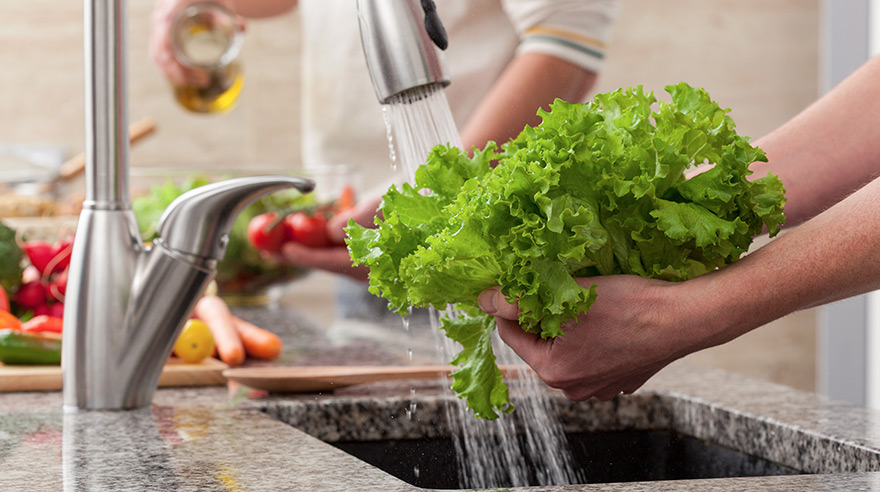
Lettuce leaves are loose and layered, making them prone to trapping dirt and bacteria. It should always be washed thoroughly, leaf by leaf.
2. Spinach
Spinach grows close to the ground, increasing exposure to soil contaminants. Sand and microorganisms can easily cling to its surface.
3. Cabbage
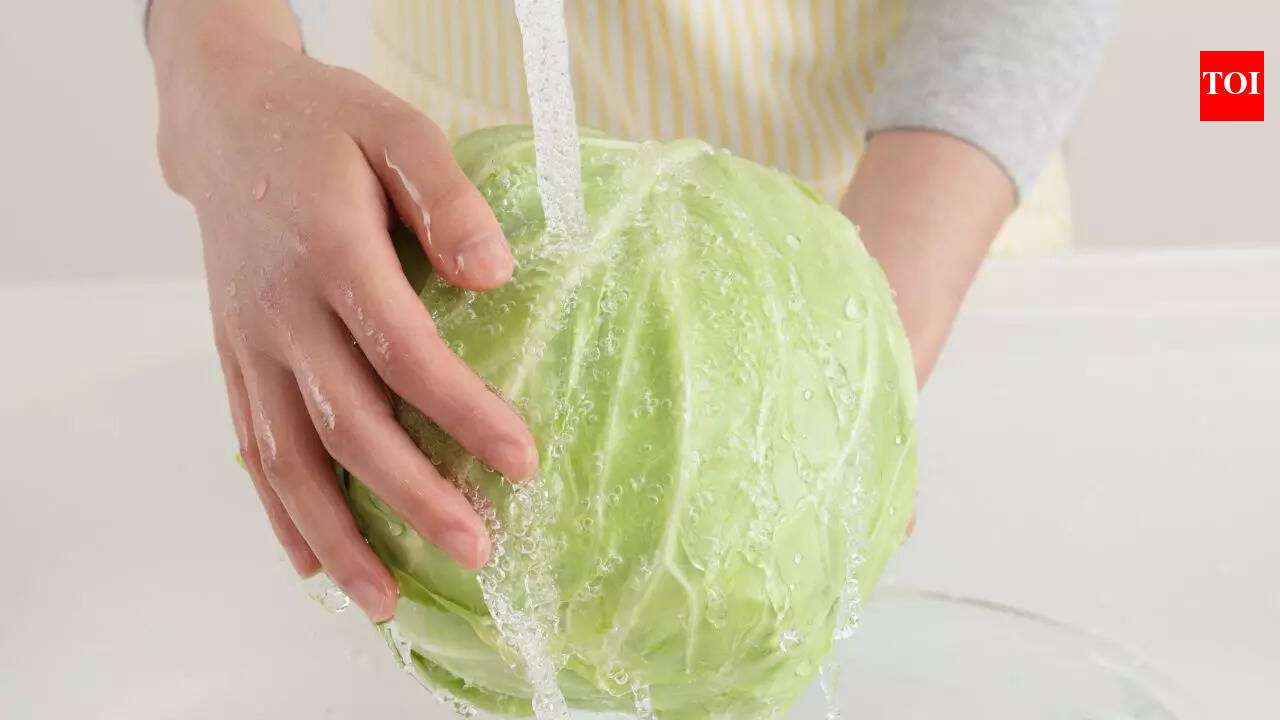
Although its outer layers offer some protection, contaminants can still be present between layers. Removing outer leaves and rinsing thoroughly is recommended.
4. Herbs (Cilantro, Parsley, etc.)
Fresh herbs have delicate leaves and thin stems that can retain residues. They should be soaked and rinsed carefully.
5. Cucumbers
Cucumbers may carry pesticide residues on their skin. Washing or peeling them can reduce exposure.
6. Tomatoes
Though smoother than leafy greens, tomatoes can still carry residues from sprays. Washing under running water is essential.
7. Bean Sprouts
Bean sprouts are grown in warm, moist environments, which can encourage bacterial growth if hygiene is not maintained.
8. Root Vegetables (Carrots, Radishes)
These grow underground and may carry soil-based contaminants. Scrubbing and peeling can help ensure safety.
The Truth About “Parasites”
The idea that vegetables are “full of parasites” can be misleading. In reality, the risk depends on hygiene practices. Contamination can occur, but it is usually preventable.
Proper washing, cooking, and storage significantly reduce the likelihood of harmful microorganisms.
How to Clean Vegetables Properly
Food safety experts recommend the following steps:
- Wash under running water rather than soaking only
- Separate leaves when cleaning leafy vegetables
- Use a clean brush for root vegetables
- Avoid using soap or chemicals on produce
- Dry with a clean cloth or paper towel
For extra safety, some people use saltwater or vinegar solutions, though plain water is often sufficient when used correctly.
Cooking vs. Eating Raw
Cooking vegetables can kill many harmful bacteria and parasites. However, raw vegetables can still be safely consumed if they are properly washed.
Balancing raw and cooked vegetables in your diet ensures both safety and nutritional benefits.
A Balanced Perspective
While headlines may sound alarming, vegetables remain one of the healthiest food groups. The key is not to avoid them, but to handle them properly.
Fear-based messages often overlook the fact that most contamination risks are manageable with simple hygiene practices.
Final Thoughts
Vegetables are vital for good health, but like all foods, they require proper preparation. By understanding which types need extra care and following safe handling practices, you can enjoy their benefits without unnecessary worry.
Rather than avoiding certain vegetables, focus on cleaning, storing, and preparing them correctly. With the right approach, you can protect your health while still enjoying a nutritious diet.