Waking up in the middle of the night—especially around 3 or 4 AM—is something many people experience. While it may seem like a random sleep disturbance, health experts suggest that frequent early-morning awakenings could be a signal from your body.
Rather than ignoring it, understanding the possible causes can help you improve both your sleep quality and overall well-being.
The Body’s Natural Sleep Cycle
Sleep occurs in cycles, typically lasting about 90 minutes each. During the night, your body transitions between light sleep, deep sleep, and REM (rapid eye movement) sleep.
Waking briefly during the night is normal. However, consistently waking at the same early hour—and struggling to fall back asleep—may indicate an underlying issue.
1. Stress and Anxiety
One of the most common reasons for waking up at 3–4 AM is mental stress. During the night, cortisol (the stress hormone) levels can rise, especially if you are dealing with ongoing worries or emotional pressure.
At this hour, the mind tends to become more active, often replaying concerns or overthinking problems. This can make it difficult to return to sleep.
2. Blood Sugar Imbalance
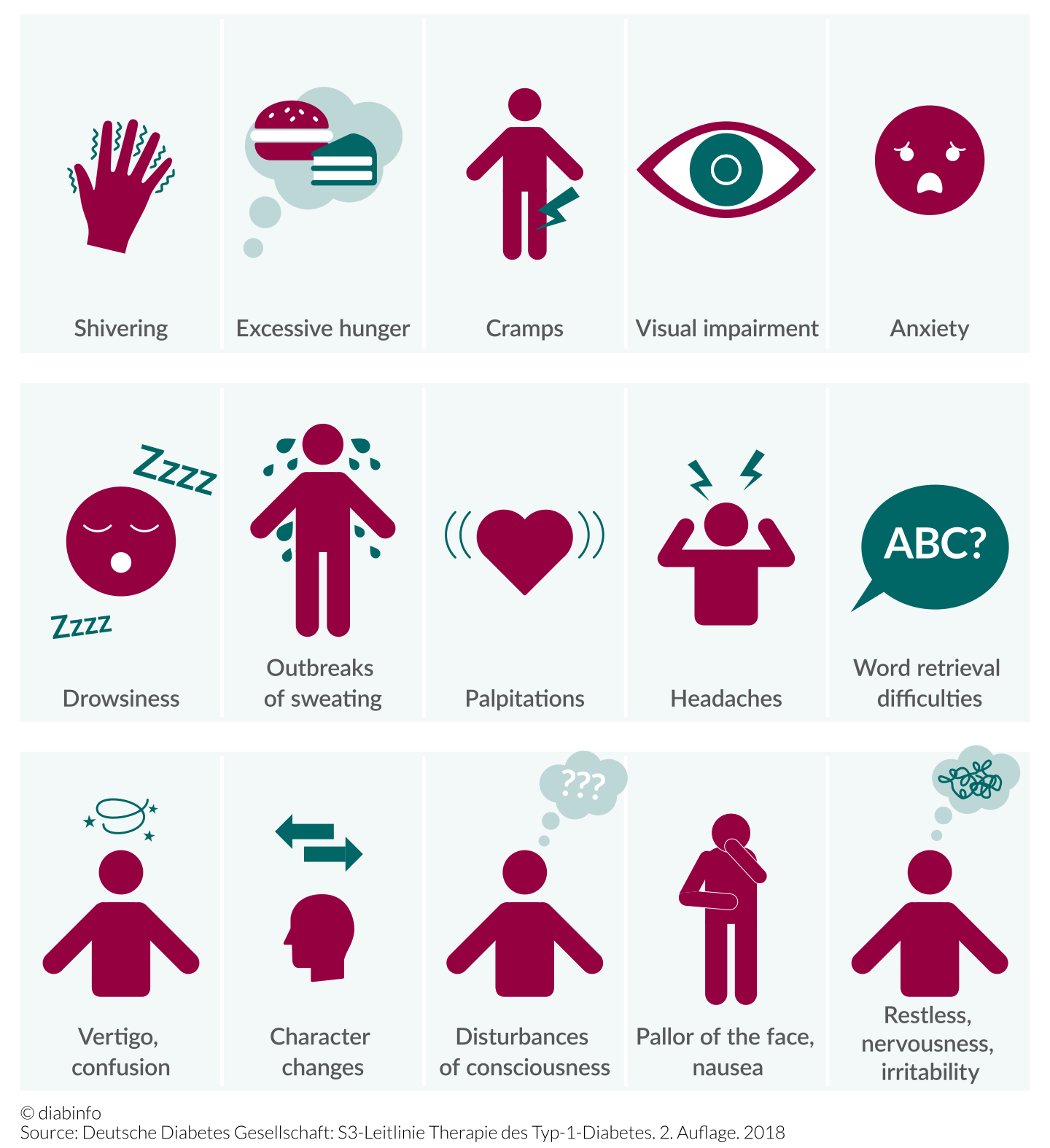

 4
4
Fluctuations in blood sugar levels can also disrupt sleep. If your blood sugar drops too low during the night, your body may release stress hormones like adrenaline and cortisol to compensate.
This response can wake you up suddenly, often accompanied by a racing heart or a feeling of restlessness.
3. Hormonal Changes
Hormones play a key role in regulating sleep. Imbalances—such as those related to menopause, thyroid issues, or adrenal function—can interfere with your ability to stay asleep.
For example, a drop in melatonin (the sleep hormone) combined with rising cortisol levels can lead to early waking.
4. Lifestyle Factors
Daily habits have a significant impact on sleep quality. Common lifestyle-related causes include:
- Consuming caffeine or alcohol late in the day
- Using electronic devices before bedtime
- Irregular sleep schedules
- Lack of physical activity
These factors can disrupt your internal clock, making early awakenings more likely.
5. Underlying Health Conditions
In some cases, waking up frequently at night may be linked to medical conditions such as:
- Sleep apnea
- Depression
- Chronic pain
- Cardiovascular issues
If early waking is persistent and accompanied by other symptoms, it is important to seek medical advice.
What You Can Do About It
Improving sleep quality often involves simple but consistent changes:
- Establish a regular sleep routine
- Avoid screens at least an hour before bedtime
- Reduce caffeine intake in the afternoon and evening
- Practice relaxation techniques such as meditation or deep breathing
- Ensure your sleeping environment is dark, quiet, and comfortable
If necessary, keeping a sleep journal can help identify patterns and triggers.
When to Be Concerned
Occasional early waking is normal. However, if it becomes frequent and affects your daily functioning—such as causing fatigue, irritability, or difficulty concentrating—it may be time to consult a healthcare professional.
Persistent sleep disturbances should not be ignored, as they can impact both physical and mental health.
Final Thoughts
Waking up at 3 or 4 AM is not always just a coincidence. In many cases, it reflects your body’s internal signals about stress, hormones, or lifestyle habits.
By paying attention to these patterns and making small adjustments, you can improve your sleep and overall quality of life.
Sleep is not just about quantity—it’s about quality. Listening to your body is the first step toward better rest and better health.