Cracked heels are often blamed on dry skin, and while dryness is a common factor, it’s far from the only cause. In reality, heel fissures can result from a combination of mechanical stress, lifestyle habits, skin conditions, and underlying health issues. Understanding these contributing factors is key to choosing the right treatment—and preventing the problem from coming back.
Below is a comprehensive look at why cracked heels develop and what your body might be trying to tell you.
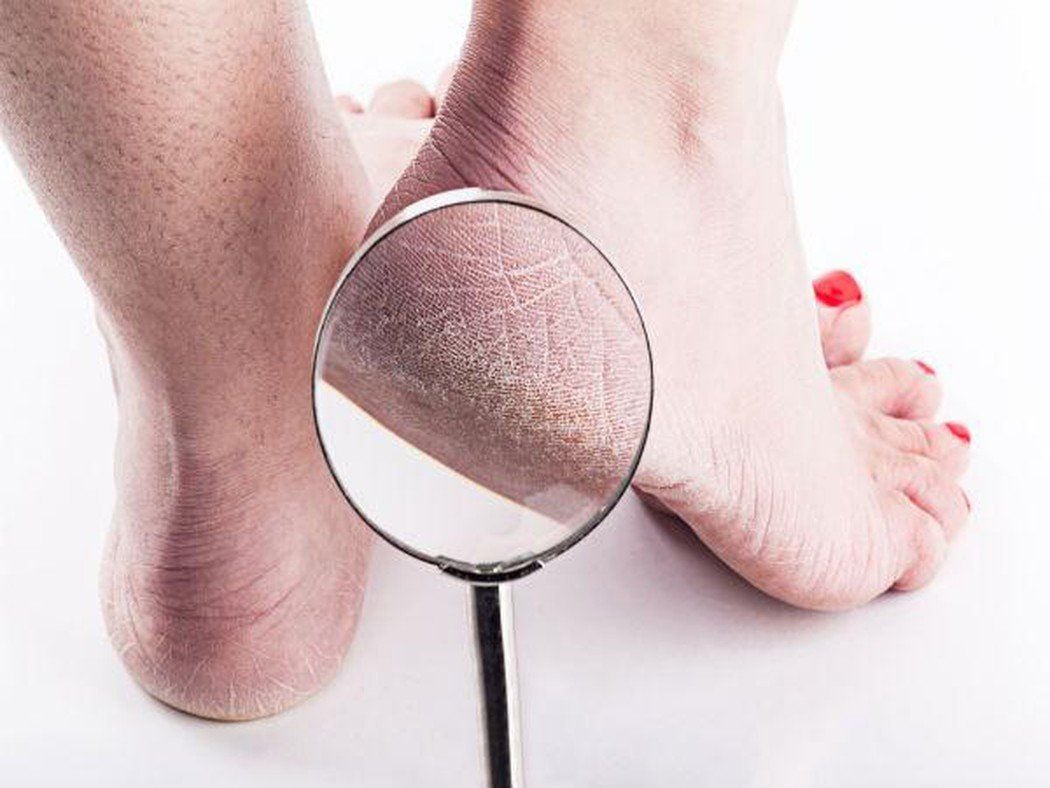
What Are Cracked Heels?
Cracked heels, also known as heel fissures, occur when the skin on the heel becomes thickened, dry, and less elastic. Over time, pressure from standing or walking causes the skin to split, leading to visible cracks. In mild cases, they’re just cosmetic. In more severe cases, they can be painful and even bleed.
1. Prolonged Pressure and Standing
One of the most overlooked causes of cracked heels is mechanical stress.
Why it matters:
- Standing for long hours increases pressure on the heel
- Excess body weight adds more force to the skin
- Hard surfaces (like tile or concrete floors) worsen the impact
Over time, the skin thickens (a process called callus formation) to protect itself. But when that thickened skin becomes too rigid, it cracks under pressure.
2. Improper Footwear
What you wear on your feet plays a bigger role than you might think.
Common issues:
- Open-back shoes or sandals
- Thin soles with little cushioning
- Shoes that don’t support the heel properly
Without adequate support, the fat pad under the heel expands sideways when you walk, increasing tension on the skin and leading to cracks.
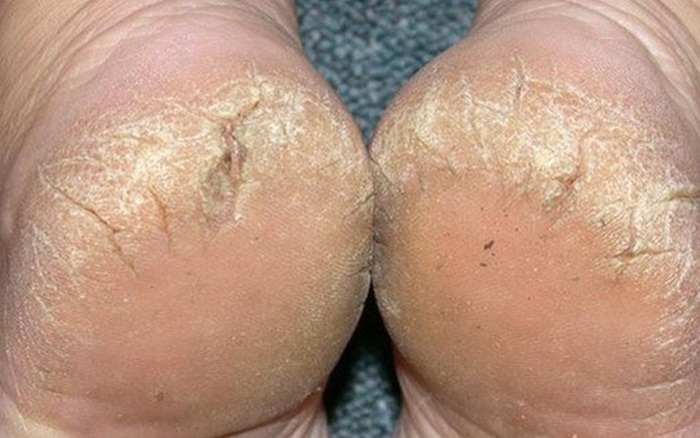
3. Skin Conditions
Certain dermatological conditions can directly affect the health of your skin and contribute to cracked heels.
Examples include:
- Eczema – causes dryness, irritation, and inflammation
- Psoriasis – leads to thick, scaly patches
- Athlete’s foot – a fungal infection that can cause peeling and cracking
In these cases, treating the underlying skin condition is essential for healing the heels.
4. Dehydration and Nutritional Factors
While external dryness is often blamed, internal hydration and nutrition also matter.
Contributing factors:
- Not drinking enough water
- Deficiency in vitamins (such as vitamin E, zinc, or omega-3 fatty acids)
Healthy skin depends on proper hydration and nutrients. Without them, the skin loses elasticity and becomes more prone to cracking.
5. Diabetes and Blood Sugar Imbalance
Cracked heels can sometimes be linked to metabolic conditions such as diabetes.
Why this happens:
- High blood sugar can affect circulation
- Nerve damage (neuropathy) reduces sensation in the feet
- Skin becomes dry and prone to injury
People with diabetes may not feel minor cracks forming, which can lead to complications if left untreated. Proper foot care is especially important in this case.
6. Thyroid Disorders
Hormonal imbalances, particularly related to the thyroid, can influence skin health.
Effects include:
- Reduced sweating
- Dry, rough skin
- Slower skin regeneration
An underactive thyroid (hypothyroidism) can make the skin more prone to dryness and cracking, including on the heels.
7. Aging and Skin Elasticity
As we age, the skin naturally loses moisture and elasticity.
What changes:
- Decreased oil production
- Thinner skin barrier
- Slower healing process
These factors make older adults more susceptible to cracked heels, even without other underlying conditions.
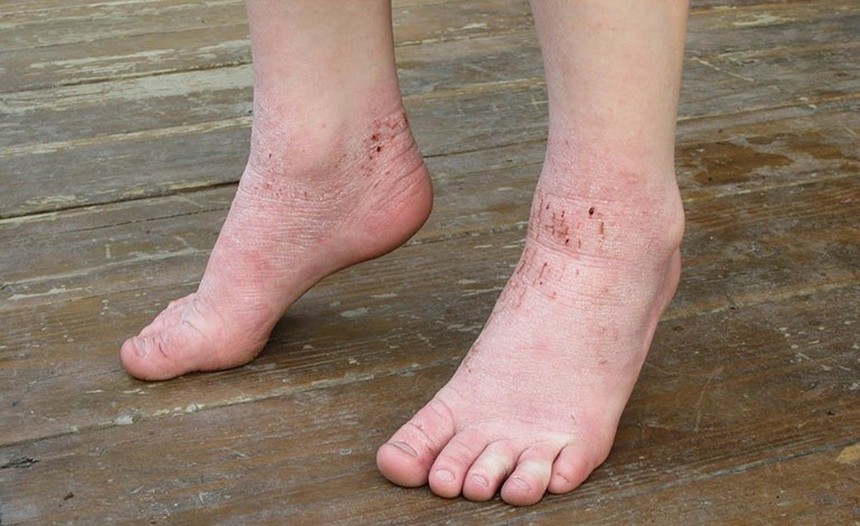
How to Care for Cracked Heels Effectively
Addressing cracked heels requires more than just applying moisturizer. A consistent care routine can make a significant difference.
✔ Daily hydration
Use thick creams or ointments containing:
- Urea
- Lactic acid
- Salicylic acid
These ingredients help soften and exfoliate thickened skin.
✔ Gentle exfoliation
- Use a pumice stone or foot file
- Avoid aggressive scrubbing, which can worsen cracks
✔ Wear supportive footwear
- Choose closed-back shoes
- Use cushioned insoles
- Avoid walking barefoot on hard surfaces
✔ Stay hydrated and eat well
- Drink enough water daily
- Include healthy fats and vitamins in your diet
✔ Seek medical advice when needed
Consult a professional if:
- Cracks are deep or bleeding
- There is pain or swelling
- You have diabetes or other chronic conditions
Final Thoughts
Cracked heels are not just a cosmetic issue—they can be a sign of deeper factors affecting your skin and overall health. While dry skin is often the most obvious cause, it’s important to look beyond the surface.
From lifestyle habits and footwear choices to underlying medical conditions, many elements can contribute to heel fissures. By understanding these possibilities, you can take a more targeted and effective approach to treatment.
Healthy feet start with awareness. When you address the root cause—not just the symptoms—you’re far more likely to achieve long-lasting results.