Ginger has long been celebrated as a natural remedy, widely used in traditional medicine and modern wellness routines alike. Known for its anti-inflammatory, antioxidant, and digestive benefits, it is often praised as a “superfood.” However, despite its many advantages, doctors caution that ginger is not suitable for everyone.
In certain cases, consuming ginger—especially in large amounts—may lead to unwanted side effects or worsen existing health conditions. Understanding these risks can help you make safer dietary choices.
Why Ginger Is So Popular
Ginger contains active compounds such as gingerol, which are responsible for its medicinal properties. It is commonly used to:
- Relieve nausea and motion sickness
- Support digestion
- Reduce inflammation
- Boost immunity
While these benefits are well-supported, they do not apply universally to all individuals.
1. People with Bleeding Disorders

 4
4
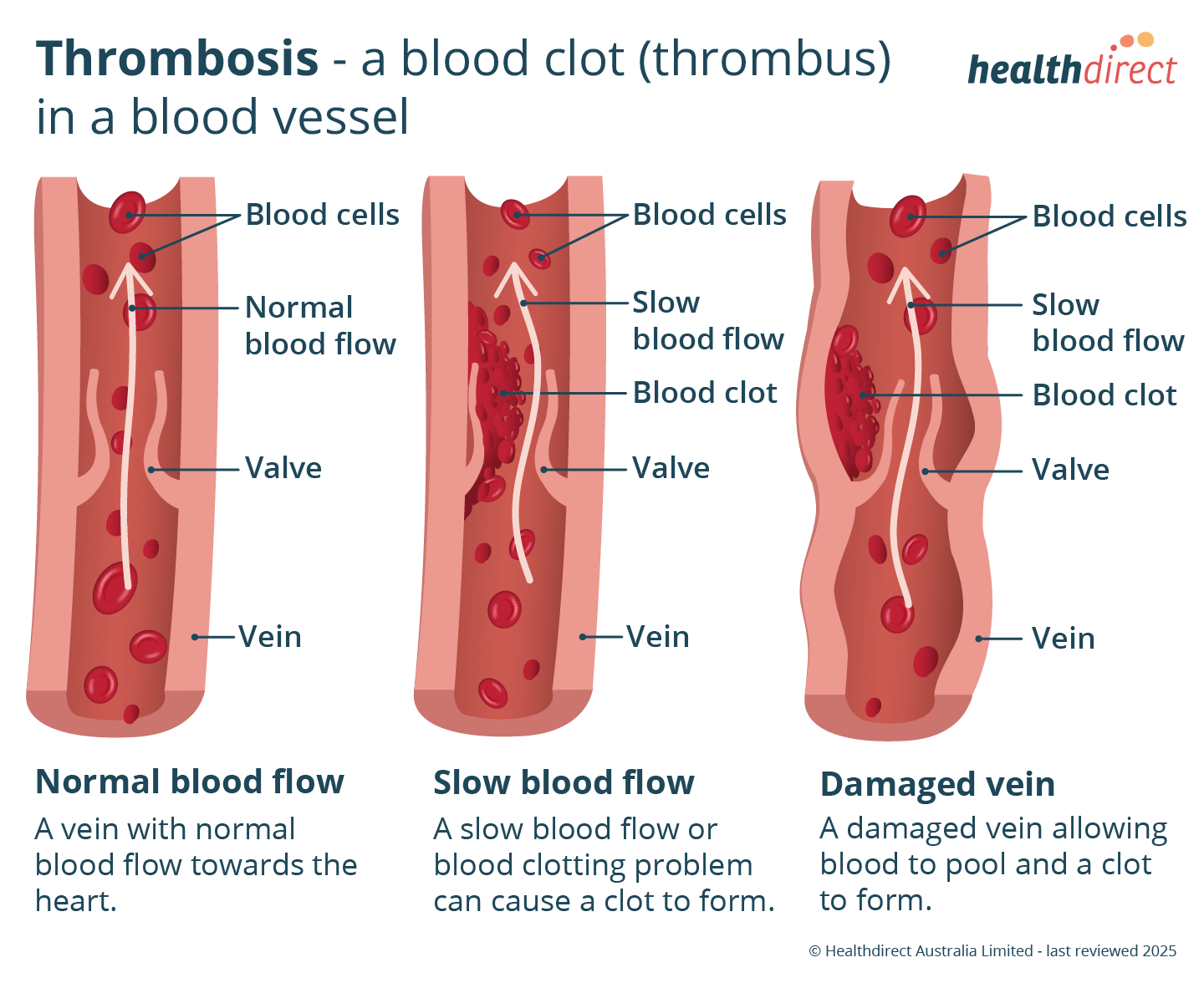
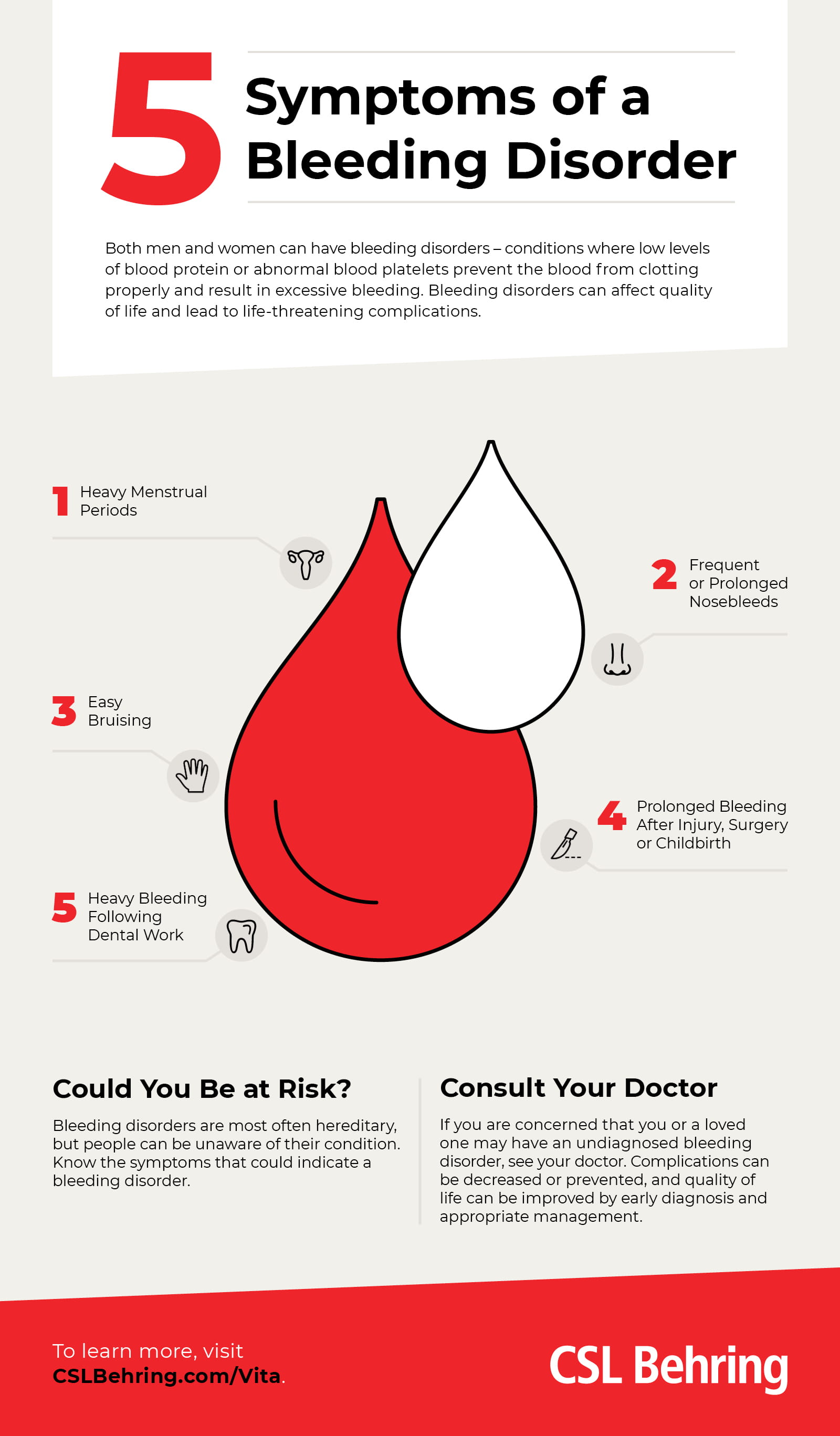
Ginger has natural blood-thinning properties. While this can be beneficial for heart health, it may pose risks for individuals with bleeding disorders such as hemophilia.
Consuming large amounts of ginger could increase the risk of excessive bleeding or bruising. People taking anticoagulant medications should also be cautious, as ginger may enhance their effects.
2. Individuals with Low Blood Pressure
Ginger may help lower blood pressure, which is beneficial for those with hypertension. However, for individuals who already have low blood pressure, excessive ginger intake could lead to dizziness, fainting, or weakness.
Maintaining stable blood pressure is essential, so moderation is key.
3. People with Gallstones
Ginger can stimulate bile production, which aids digestion. However, for individuals with gallstones, this effect may trigger discomfort or complications.
Doctors often recommend consulting a healthcare provider before consuming ginger regularly if you have gallbladder-related conditions.
4. Pregnant Women (in Certain Cases)
While small amounts of ginger are often used to relieve morning sickness, high doses may not be safe during pregnancy. Some studies suggest that excessive ginger intake could affect hormone levels or increase the risk of complications.
Pregnant women should always consult their doctor before using ginger as a supplement or remedy.
5. Individuals with Sensitive Digestive Systems
Although ginger is known to support digestion, it can also cause irritation in some people—especially when consumed in large quantities. Symptoms may include heartburn, stomach discomfort, or acid reflux.
Those with sensitive stomachs or gastrointestinal conditions should monitor their intake carefully.
The Importance of Moderation
The key message from doctors is not to avoid ginger entirely, but to consume it in moderation and according to individual health needs.
For most healthy individuals, small amounts of ginger—such as in tea or cooking—are perfectly safe and beneficial. Problems typically arise only when intake becomes excessive or when underlying health conditions are present.
Safe Ways to Enjoy Ginger
- Use ginger as a spice in meals
- Drink mild ginger tea instead of concentrated extracts
- Avoid high-dose supplements unless prescribed
- Pay attention to how your body reacts
Final Thoughts
Ginger remains one of the most versatile and beneficial natural ingredients available. However, like any powerful food or supplement, it is not universally suitable for everyone.
The idea that “you should avoid ginger” applies mainly to specific groups with certain health conditions. For others, it can be a valuable addition to a balanced diet.
Listening to your body and consulting medical professionals when needed are the best ways to ensure safe and effective use of ginger. After all, good health is not just about what you eat—but also about how well it fits your individual needs.