Scientists May Have Found a Clue — But the Truth About Autism Is More Complex Than You Think
For years, scientists have been trying to understand what causes autism, a complex neurodevelopmental condition that affects millions of people worldwide. Recently, some studies have suggested that researchers may be getting closer to identifying biological factors linked to autism.
But experts caution: there is no single cause.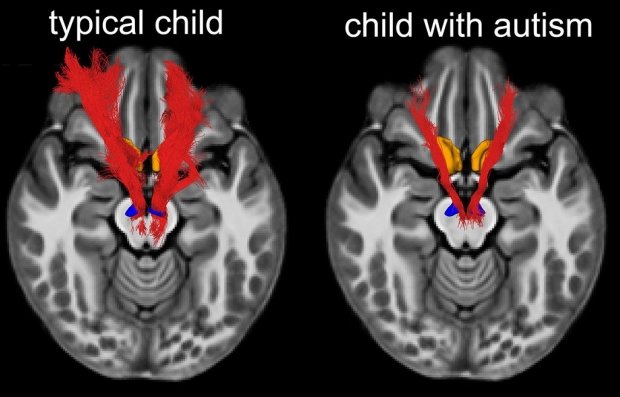
A Possible Breakthrough — But Not the Full Answer
Some emerging research points to biological changes that may occur early in development—possibly even before birth. These include genetic mutations, metabolic differences, or changes in how brain cells communicate.
Such findings are often described as “potential causes,” but in reality, they are better understood as risk factors that may increase the likelihood of autism—not direct causes.
Genetics Play a Major Role
Scientists widely agree that genetics is one of the strongest contributors to autism.
Studies show that autism tends to run in families, and many genes have been linked to increased risk. Some mutations can significantly raise the likelihood of developing autism, while others have smaller effects.
In fact, researchers estimate that a large portion of autism risk is influenced by genetic variation and spontaneous mutations that occur before birth.
It’s Not Just One Factor
Despite headlines suggesting a “single cause,” experts emphasize that autism is highly complex.
It is now understood as a condition shaped by a combination of:
- Genetic factors
- Early brain development
- Environmental influences during pregnancy
There is no one-size-fits-all explanation, and each individual’s case may be different.
Debunking Common Myths
Many viral claims oversimplify autism by suggesting one clear cause—but science does not support this.
For example:
- Autism is not caused by a single food, habit, or exposure
- There is no evidence of one universal trigger
- It develops over time through complex biological processes
Experts also stress that autism begins during early brain development, often before birth, not from a single event later in life.
Why These Studies Still Matter
Even though no single cause has been identified, new research is still important.
Discovering specific biological markers or risk factors could:
- Help detect autism earlier
- Improve support and intervention
- Provide better understanding of how the brain develops
Each new finding adds another piece to the puzzle.
The Bottom Line
Headlines may claim that scientists have “found the cause of autism,” but the reality is more nuanced.
Autism is not caused by one thing—it is the result of many interacting factors.
Understanding that complexity is key to supporting individuals and advancing research in the right direction.