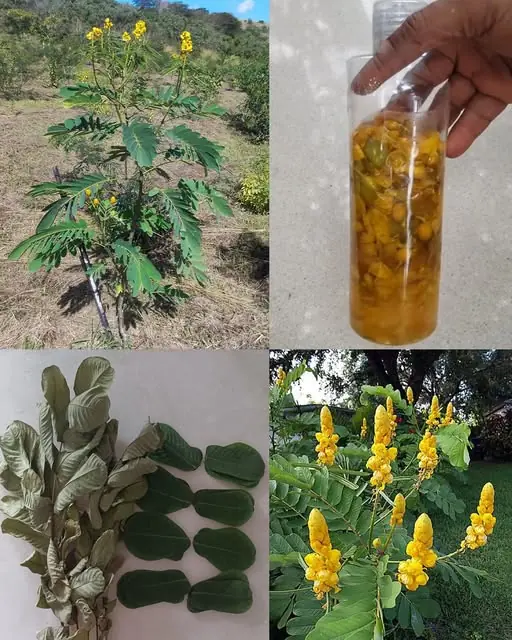
The Powerful Medicinal Benefits and Uses of Senna alata
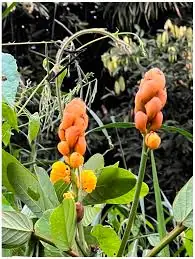
Senna alata, commonly known as candle bush, ringworm bush, or emperor’s candlestick, is a tropical flowering plant widely recognized for its striking yellow blossoms and impressive medicinal value. For centuries, traditional healers across Asia, Africa, and South America have used this plant to treat various ailments. Modern research has begun to validate many of these traditional uses, revealing that Senna alata contains a rich array of bioactive compounds, including anthraquinones, flavonoids, tannins, and essential oils. These compounds contribute to the plant’s antiseptic, antifungal, anti-inflammatory, and laxative properties. Because of its wide therapeutic potential, Senna alata continues to be a valuable natural remedy in many cultures.
1. Powerful Antifungal Properties
One of the most well-known medicinal benefits of Senna alata is its antifungal activity. In many traditional medicine systems, the leaves are used to treat fungal skin infections, particularly ringworm—hence the plant’s popular name, ringworm bush. The antifungal effect is largely due to the presence of chrysophanic acid, a compound known for inhibiting fungal growth.
The leaves are often crushed into a paste and applied directly to affected areas of the skin. This simple preparation can help reduce itchiness, redness, and irritation. Many cultures also mix the leaf extract with coconut oil or other natural carriers to enhance absorption and soothe the skin. Because fungal infections are common in tropical climates, Senna alata has become an important household remedy in many communities.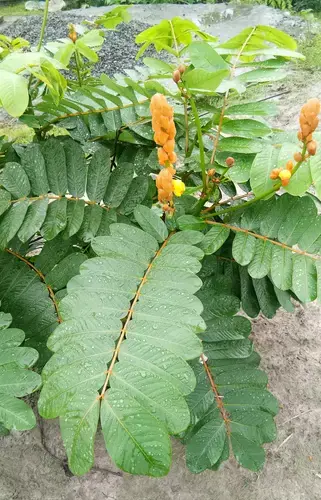
2. Natural Laxative and Digestive Aid
Like other species in the Senna family, Senna alata possesses natural laxative properties. The plant contains anthraquinone glycosides, which stimulate bowel movement by increasing intestinal motility and promoting water secretion in the colon. For this reason, leaf extracts or teas made from the plant have traditionally been used to relieve constipation.
However, due to the strong laxative effect, it should be used cautiously and not for prolonged periods. When used responsibly, Senna alata provides a natural alternative to synthetic laxatives, supporting digestive health and detoxification.
3. Anti-Inflammatory and Antioxidant Benefits
Another significant benefit of Senna alata is its anti-inflammatory potential. Compounds within the plant help reduce swelling, redness, and pain associated with minor skin conditions, insect bites, and irritations. Traditional healers often apply mashed leaves or infused oils on inflamed areas to promote healing.
In addition, the plant is rich in antioxidants, which help neutralize harmful free radicals in the body. Antioxidants play an essential role in preventing oxidative stress, slowing cellular aging, and supporting overall wellness. These qualities make Senna alata a valuable component in natural skincare, where it is used to promote clearer, healthier-looking skin.
4. Treatment for Skin Disorders
Beyond fungal infections, Senna alata is used to treat a wide range of skin problems including eczema, dermatitis, psoriasis, and scabies. Its combined antifungal, antibacterial, and anti-inflammatory actions help soothe irritated skin and accelerate healing. The leaves are sometimes pounded and mixed with oils or incorporated into ointments for topical application.
The plant’s cleansing effect can also help reduce excess oil and impurities on the skin, making it a useful natural remedy for acne-prone skin. In some regions, preparations made from Senna alata leaves are added to baths for general skin cleansing and rejuvenation.
5. Potential Antibacterial Activity
While Senna alata is best known for its antifungal properties, studies have shown that extracts from the plant also possess antibacterial activity against certain strains of bacteria. This suggests that the plant could play a role in managing minor bacterial infections or preventing secondary infections in damaged skin. The antibacterial effect may be linked to the plant’s flavonoids and phenolic compounds, which help inhibit bacterial growth.
6. Additional Traditional Uses
In various cultures, Senna alata has also been used to treat fever, asthma symptoms, and parasitic infections, though more research is needed to fully validate these uses. Some traditional healers prepare infusions of the leaves to support respiratory health or to cleanse the body internally. The versatility of this plant has made it a staple in traditional herbal medicine for generations.
Senna alata remains one of the most powerful and accessible medicinal plants in tropical regions. Its wide range of therapeutic benefits—from treating skin infections to supporting digestion and reducing inflammation—make it a valuable natural remedy. As modern science continues to explore its pharmacological potential, Senna alata stands as a remarkable example of how traditional knowledge and natural medicine can contribute to health and healing.