Mild tooth decay often starts quietly, with symptoms so subtle that many people overlook them. However, recognizing the early warning signs can stop cavities from progressing and help you avoid more serious dental problems. Here are the key signs of early-stage tooth decay you should pay attention to:
• Sensitivity to Hot and Cold:
One of the earliest red flags is a sudden sensitivity when eating or drinking something hot or cold. This can feel like a quick sharp pain or a mild discomfort. It happens because the enamel is starting to weaken, exposing the sensitive dentin underneath.
• Tooth Discoloration:
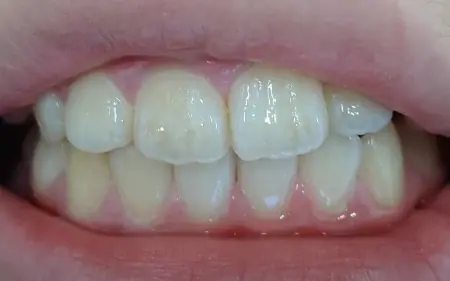
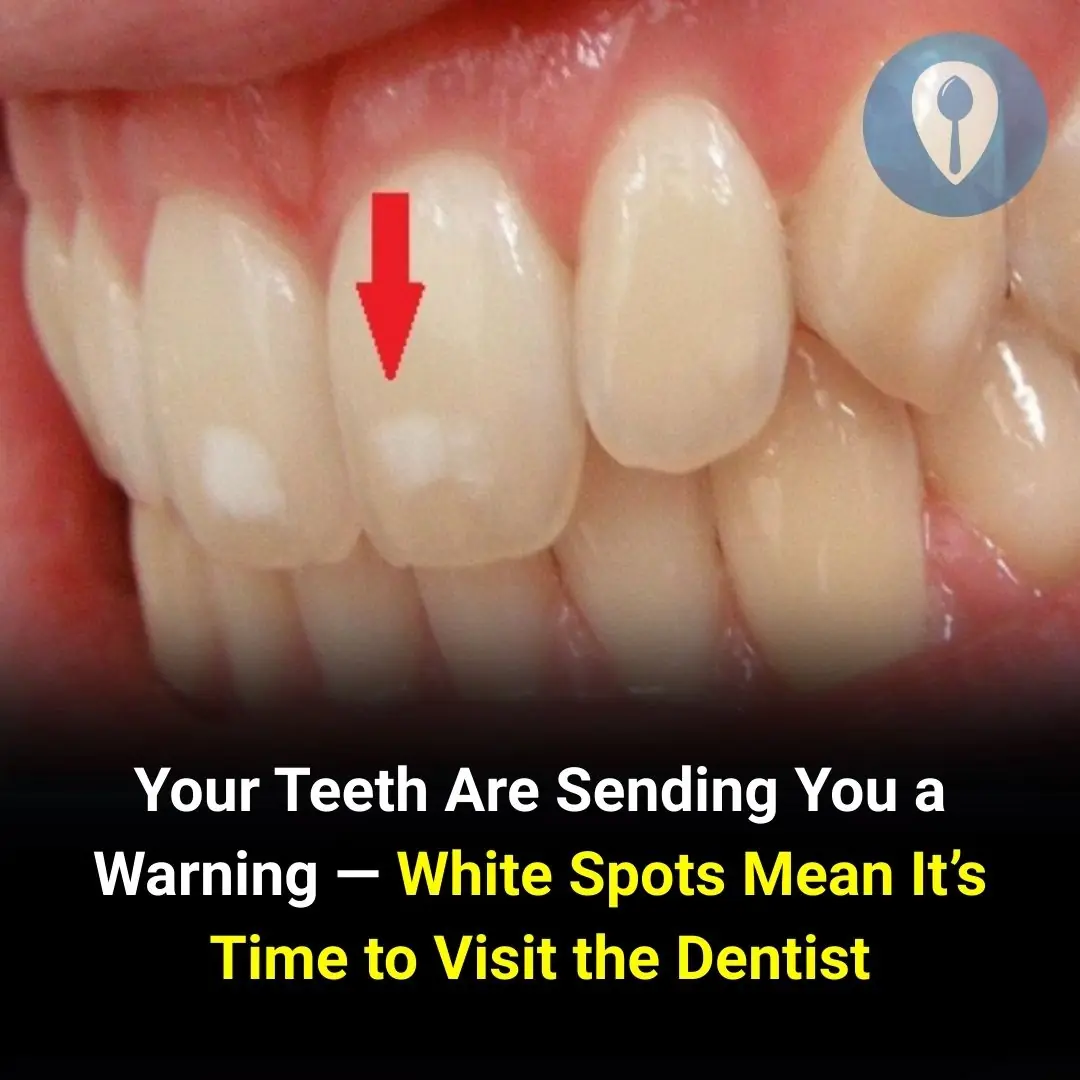
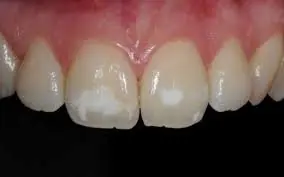
Early decay often shows up as small white spots on the enamel. As the condition worsens, these spots may turn brown or even black — a sign that minerals are being lost from the tooth surface.
• Pain or Discomfort When Chewing:
Intermittent toothaches, especially when biting down or chewing, may indicate that decay is moving closer to the nerve. Even mild pain shouldn’t be ignored.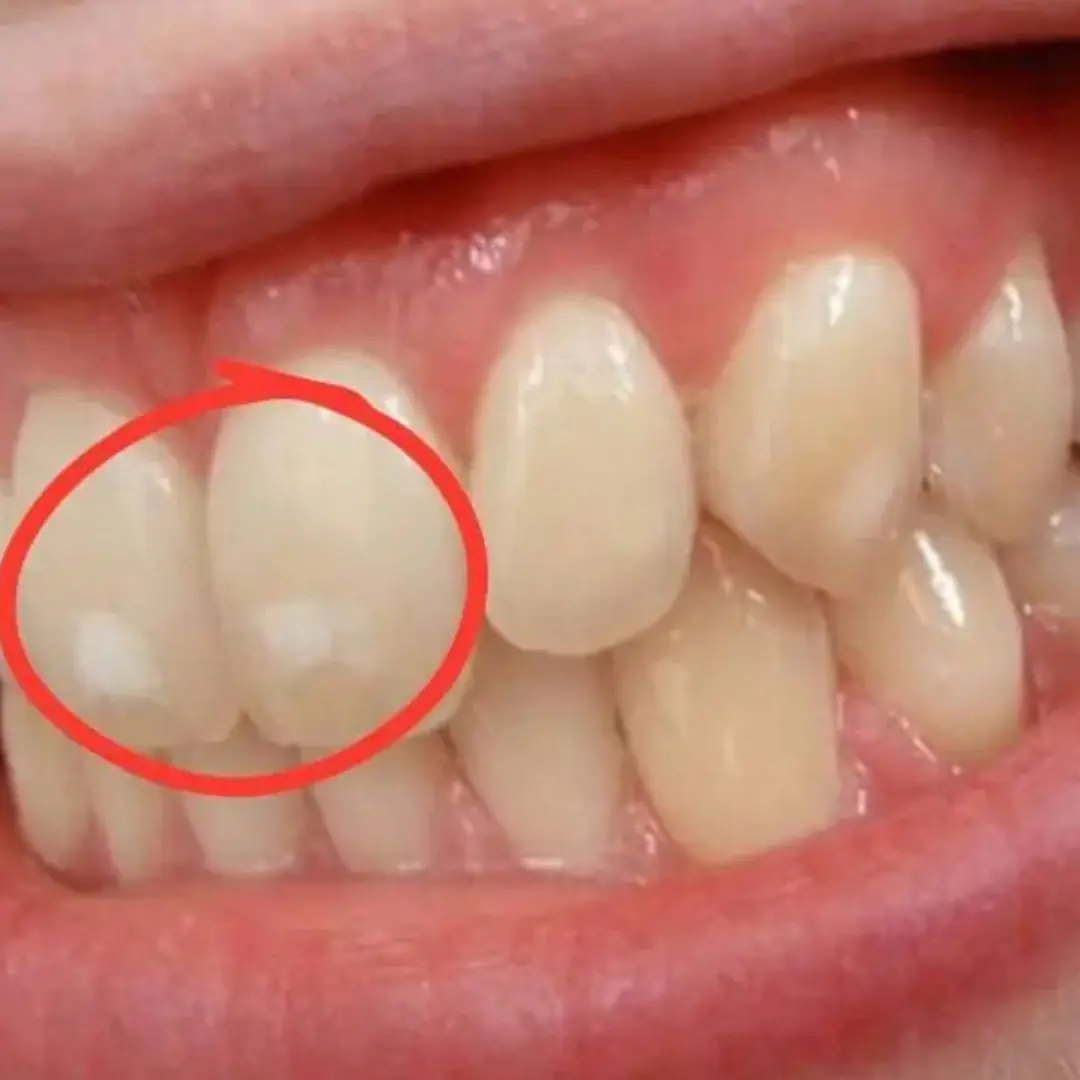
• Tiny Holes or Pits:
In some cases, small pits or holes can appear on the tooth surface. These early cavities form as the enamel begins to erode.
• Bad Breath or an Unpleasant Taste:
Bacteria growing in decayed areas can produce a persistent bad smell or an odd taste in the mouth — even if you brush regularly.
Why Early Detection Matters
Treating mild tooth decay early is one of the best ways to protect your teeth from long-term damage. Regular dental check-ups, good oral hygiene, and a balanced diet all play a major role in preventing cavities from worsening.
If you notice any of the signs above, visiting a dentist promptly can prevent the need for more invasive procedures such as fillings, root canals, or even extractions.
By staying alert and proactive, you can maintain a healthy smile and avoid unnecessary pain, inconvenience, and dental costs.