Hearing a ringing sound in your ear — even when everything around you is completely silent — can be confusing, distracting, and sometimes frightening.
This condition is known as tinnitus, and while it’s usually not dangerous, it can be a sign that something in your body needs attention.
Understanding why it happens is the key to knowing what you should do next.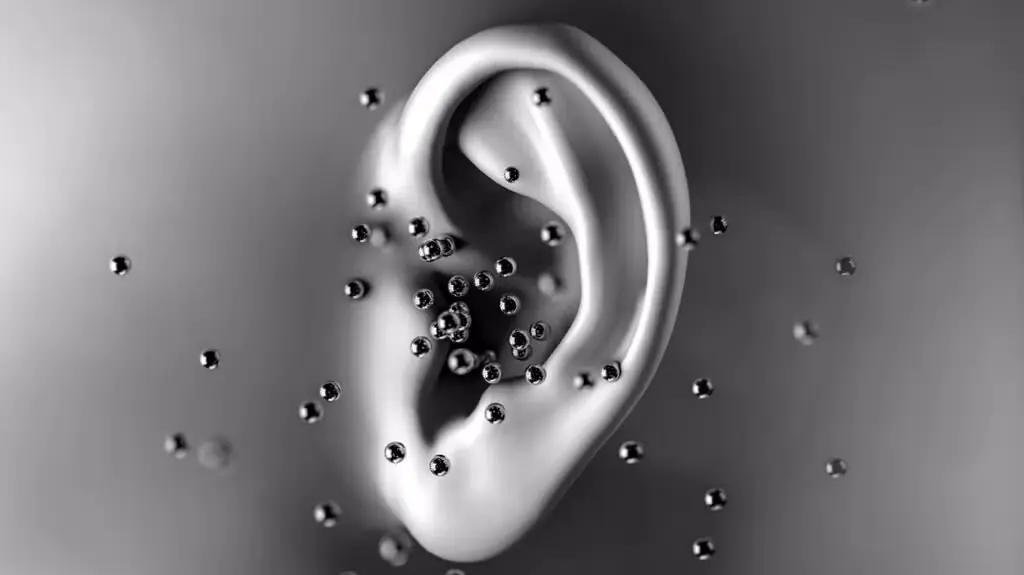
1. Tinnitus can be a sign of inner ear damage
The inner ear is delicate. Tiny hair cells inside the cochlea help convert sound waves into signals your brain can understand.
When these hair cells become damaged — through loud noise exposure, aging, infections, or even certain medications — they may send incorrect signals to the brain.
Your brain interprets these mixed signals as sound, which appears as ringing, buzzing, hissing, or even clicking.
In many cases, this is the first sign that your ears are being overworked or overstressed.
2. It may indicate circulation or blood pressure issues
The ears are extremely sensitive to changes in blood flow.
High blood pressure, narrow blood vessels, or turbulent blood circulation around the ear canal can create a rhythmic “pulsing” type of tinnitus.
Some people hear their heartbeat inside their ear — a condition called pulsatile tinnitus.
While not always serious, this type should be evaluated because it can relate to cardiovascular health.
3. Stress and anxiety can make the ringing worse
The brain and the auditory system work closely together.
When you’re stressed, anxious, or mentally overloaded, the brain becomes more sensitive to internal signals — including the ones coming from the ear.
Stress doesn’t create tinnitus out of nowhere, but it strengthens the perception of the ringing.
Many people notice the sound most when they are tense, tired, or trying to sleep.
4. Earwax buildup can trigger ringing
A surprising number of tinnitus cases come from something simple: blocked ears.
When earwax builds up, it can press against the eardrum or disrupt how sound vibrations travel.
Your brain may misinterpret the altered sound input and create a ringing sensation.
Removing the blockage often reduces or eliminates the tinnitus.
5. It can be related to jaw or neck problems
Few people know that the jaw and neck muscles share nerve pathways with the ears.
Conditions like TMJ disorder, teeth grinding, or neck strain can affect these nerves and create ringing.
If the tinnitus changes when you move your jaw or turn your head, musculoskeletal tension may be the cause.
6. Certain medications list tinnitus as a side effect
Some common drugs — including aspirin, anti-inflammatory medications, antibiotics, antidepressants, and diuretics — can affect how the auditory system communicates with the brain.
When this happens, ringing may develop as a temporary or long-term side effect.
If the ringing began after starting a new medication, this connection should be evaluated.
7. In rare cases, tinnitus can signal neurological issues
This is uncommon, but when tinnitus is accompanied by headaches, dizziness, sudden hearing loss, or changes in vision, it may indicate a deeper issue involving the auditory nerves or parts of the brain responsible for sound processing.
Most cases are benign, but neurological symptoms should always be taken seriously.
What tinnitus really means
Tinnitus itself is not a disease — it’s a symptom.
It’s your body’s way of telling you that something is out of balance, whether it’s inside the ear, the circulatory system, the nervous system, or your stress levels.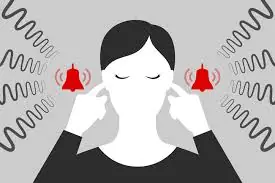
When should you seek help?
You should contact a doctor or audiologist if:
• the ringing is constant or worsening
• it’s only in one ear
• you also experience hearing loss
• the sound pulses with your heartbeat
• it’s accompanied by dizziness or headaches
Early evaluation can prevent long-term hearing problems and uncover treatable causes.