
If you have these two small dimples on your lower back, they reveal something fascinating... Keep reading
Do You Have These Two Little Dimples on Your Lower Back? Here’s What They Really Mean
One Click to See Who Has Your Data: The Digital Shock Most People Aren’t Ready For
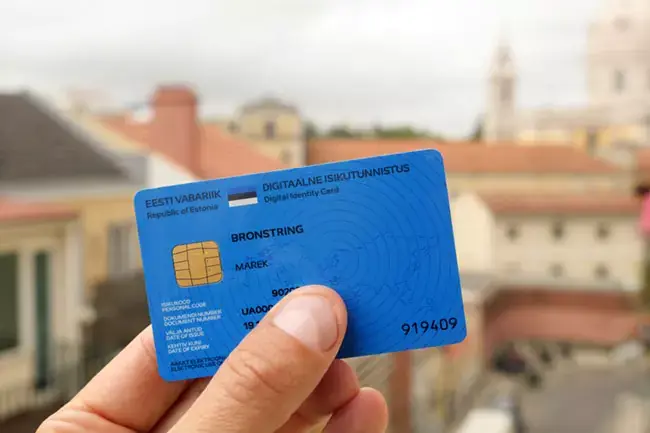
What if you could uncover, in a single click, exactly who has access to your personal data—your name, email, location, browsing habits, even your preferences and behavior patterns? For millions of people living in the EU, this isn’t a futuristic concept or a hacker trick. It’s a legal right. And the most shocking part? Almost no one uses it.
In an era where “data is the new oil,” most of us hand over our personal information daily without a second thought. We click “Accept All,” download apps in seconds, and log in with Google or Facebook to save time. Convenience wins. Privacy loses. But buried beneath the terms and conditions lies a powerful tool that can flip the balance of power back to the user.
Under the EU’s General Data Protection Regulation (GDPR), every individual has the right to access their personal data. This means you can legally ask companies a simple but explosive question: What data of mine do you have, where did you get it, and who have you shared it with?
Many platforms have turned this right into a literal one-click feature.
Google, Meta (Facebook, Instagram), Apple, Spotify, Amazon, TikTok, and dozens of other major tech companies operating in Europe now offer data access or data download tools. With a few clicks, you can request a full report of your digital footprint within their ecosystem.
When the files arrive—sometimes hours, sometimes days later—the experience is often unsettling.
People expect to see basic information: name, email, maybe search history. What they don’t expect is the depth of behavioral profiling.
These reports can include:
Location history accurate down to minutes
Ad interest categories assigned to you (often surprisingly personal)
Devices you’ve used and when
Inferred demographics (age range, interests, lifestyle)
Third parties your data has been shared with
Deleted data you thought was gone
For many first-time users, this is the moment where abstract concerns about “data privacy” suddenly become very real.
One tech worker in Berlin described it as “seeing a diary I never agreed to write.” A student in Paris said, “It felt like the internet knew me better than I know myself.”
The shock doesn’t come from illegality. In most cases, companies are acting within the law. The shock comes from how invisible the process has been.
Data sharing is normalized, automated, and buried under friction-heavy interfaces designed to keep users moving forward, not looking back. The GDPR didn’t stop data collection—but it did something radical: it forced companies to show their cards if you ask.
And that’s the catch. You have to ask.
Despite the power of this right, usage remains low. There are three main reasons:
Lack of awareness – Many people simply don’t know this right exists.
Perceived complexity – “Data access” sounds technical and intimidating.
Psychological avoidance – Deep down, people suspect they won’t like what they see.
Ironically, the tools are often simpler than expected. On most platforms, requesting your data takes less time than ordering food delivery.
The point of clicking isn’t just to be shocked—it’s to regain agency.
Once you see who has your data, you can:
Revoke permissions you don’t need
Turn off ad personalization
Request deletion of certain data
Switch to privacy-focused alternatives
Make more informed choices going forward
This is where EU tech culture quietly differs from the rest of the world. The emphasis isn’t on abandoning technology, but on using it consciously.
“One click to see who has your data” sounds simple—and it is. But culturally, it represents a major shift: from passive user to informed participant.
In a digital economy built on invisibility, transparency is disruptive. The real shock isn’t what companies know about you. It’s realizing that you were always allowed to look—and rarely did.
So the next time you instinctively click “Accept All,” remember this: somewhere in that app, there’s another button. One that shows you the truth.
Do You Have These Two Little Dimples on Your Lower Back? Here’s What They Really Mean

What can dogs detect through their sense of smell?
















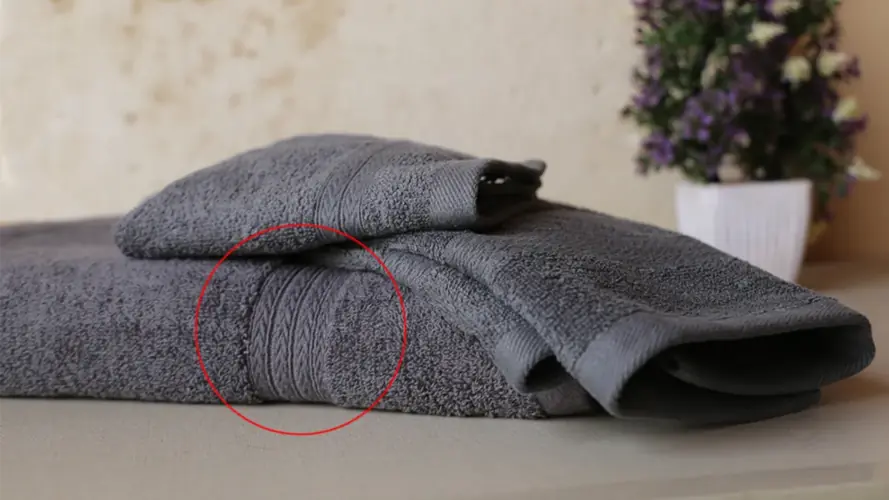
What do the lines on bath towels actually mean?

Doctors Say Healthy Kidneys Are Unlikely to Show These 3 Skin Signs


5 alarming signs your liver could be in serious trouble - Don’t ignore them


Why you should try sleeping on your left side?

A warning sign of st.ro.ke can appear up to 90 days before it happens

Health benefits of beets: What doctors say they do to your body?

Experts reveal 5 symptoms of cancer that are easy to ignore but you really shouldn't

Spicy Brazilian Coconut Chicken

How to Make Cheesy Chicken Garlic Butter Roasted Veggie Spaghetti
Do You Have These Two Little Dimples on Your Lower Back? Here’s What They Really Mean


She ate steamed sweet potatoes every day. Then, the results of her liver tests surprised her

The Effects of Daily Banana Consumption on the Human Body

5 early signs of thyroid can.cer you shouldn’t ignore
What can dogs detect through their sense of smell?