Why Your Phone Works Differently in Europe (And What They’re Not Telling You)
Your smartphone may look the same everywhere in the world, but in Europe, it quietly plays by a different set of rules. The apps behave differently. The settings are stricter. The permissions are clearer. And the reason has nothing to do with technology — it has everything to do with power, control, and laws that most users never notice.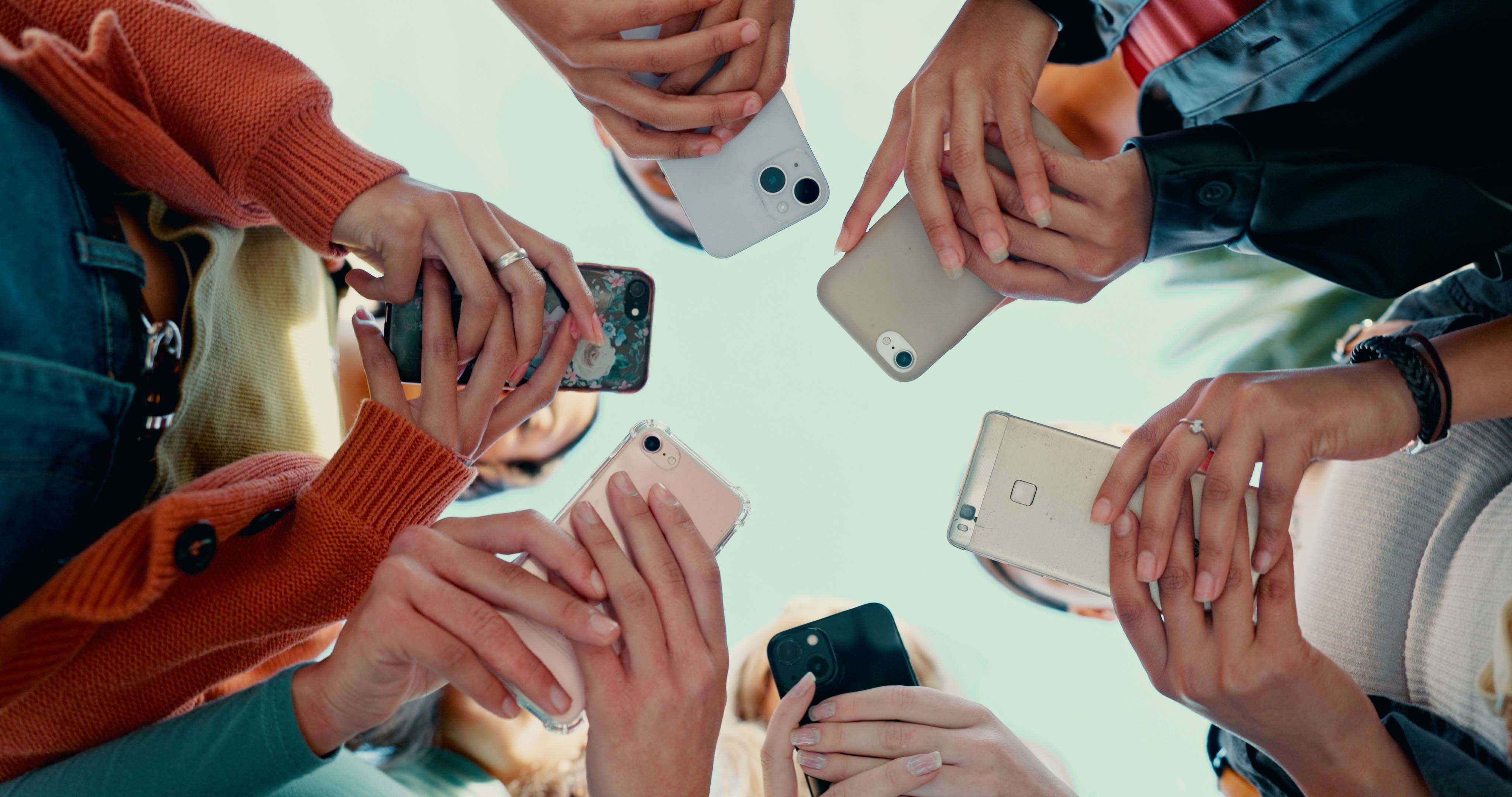
In the European Union, your phone is not just a device. It is a regulated space.
The Invisible Line Between Europe and the Rest of the World
Pick up the same phone model in Europe and outside Europe, and you’ll notice subtle but critical differences. In the EU, apps ask for permission more aggressively. Tracking is harder to enable by default. Ads feel less invasive. Some features appear delayed, limited, or missing altogether.
This is not a coincidence. It is the result of years of legal pressure on Big Tech — pressure that simply does not exist at the same level elsewhere.
European regulators operate under a core assumption that many tech companies reject: your data belongs to you, not the platform.
The Laws That Changed Your Phone Without You Knowing

The most powerful force behind this difference is the General Data Protection Regulation (GDPR). Introduced in 2018, GDPR forced companies to redesign how phones collect, store, and process personal data. Suddenly, apps could no longer quietly track users across websites. Consent had to be explicit. Data collection had to be justified.
Then came the Digital Markets Act (DMA) and the Digital Services Act (DSA), which went even further. These laws target so-called “gatekeepers” — companies like Apple, Google, Meta, and Amazon — and limit how much control they can exert over users and competitors.
As a result, your phone in Europe is less free for companies, but more protected for you.
Why Apple and Google Act Differently in the EU
In Europe, Apple has been forced to allow alternative app stores and different payment systems. Google must offer clearer choices for search engines and browsers. Meta has to provide options that reduce personalized advertising.
These changes are not rolled out globally because companies fear losing control and profit. Europe is simply the one market big enough — and strict enough — to force compliance.
Outside the EU, many of these protections are optional. Inside the EU, they are mandatory.
The Truth About “Missing” Features
Some features disappear or arrive late in Europe, and companies often blame “regulatory complexity.” What they don’t say is that many of these features depend on aggressive data harvesting, behavioral profiling, or monopolistic control.
When those practices are restricted, the feature becomes harder — or less profitable — to offer.
So when a company claims a feature is “not available in your region,” what they often mean is: it doesn’t work without exploiting your data.
The Privacy Illusion Elsewhere
Outside Europe, users are often given the illusion of choice. Settings are buried. Opt-outs are confusing. Consent is assumed. Phones quietly build detailed profiles of habits, locations, relationships, and preferences.
In Europe, this approach is illegal.
That is why European phones feel more “annoying” to some users. More pop-ups. More questions. More friction. But that friction is intentional. It forces awareness in a system designed to operate invisibly.
What Tech Companies Will Never Admit
Tech companies rarely say this out loud: Europe proved that phones can work without constant surveillance.
The industry narrative claims that privacy kills innovation. Europe exposed that claim as exaggerated. Apps still function. Services still exist. Profits still flow — just with more limits.
The real fear is not regulation. It is precedent.
If European-style rules spread globally, the default business model of the modern smartphone — data extraction at scale — would be fundamentally threatened.
The Future Is Already Decided — Just Not Everywhere
Europe is not perfect, and its regulations are often criticized as slow or restrictive. But one thing is clear: the EU has changed the balance of power between users and technology companies.
Your phone works differently in Europe because someone decided it should protect you by default, not exploit you by design.
The real shock is not that Europe did this.
The real shock is that most of the world still hasn’t.