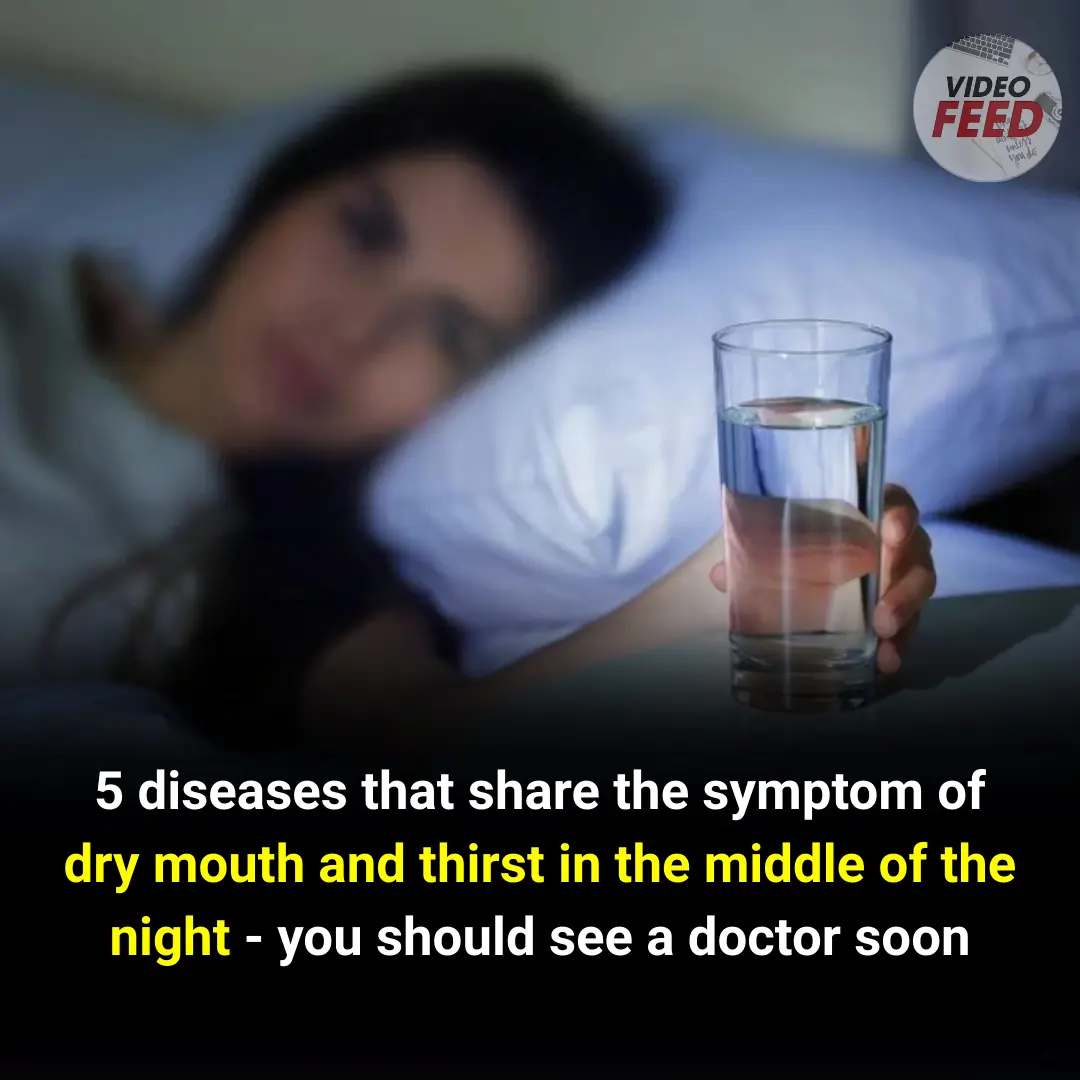
Dry mouth and thirst in the middle of the night can be an unhealthy warning sign. Under normal circumstances, the body does not need to replenish water during the night.
Many people have the habit of drinking water before going to bed, yet still wake up in the middle of the night with a dry, burning mouth, unpleasant breath, and an urge to drink water before they can fall back asleep. In fact, this may be a warning sign of an underlying health issue, as the body normally does not require water replenishment at night.
Nighttime thirst may be caused by prolonged mouth breathing. In this case, it is advisable to check the nasal passages for possible conditions, as rhinitis or nasal inflammation can affect breathing. When the nose does not receive enough oxygen, the body compensates by breathing through the mouth, leading to dry mouth. Long-term mouth breathing can also negatively affect facial structure, so improving breathing patterns is necessary.

In addition, intense physical activity during the day can also cause dry mouth and thirst at night. During exercise, the body consumes a significant amount of water, making dehydration more likely. This water loss may manifest as dry mouth and thirst while sleeping at night.
If none of the above causes apply, nighttime thirst may be related to Sjögren’s syndrome. Because the exact onset of the disease is difficult to determine, it is often suspected based on symptoms such as persistent dry mouth.
Five diseases that share the symptom of dry mouth and nighttime thirst — you should see a doctor early
Dry mouth at night may indicate an abnormal condition in the body (illustrative image).
After ruling out the causes mentioned above, the following health risks should be considered:

Dry mouth and nighttime thirst may be signs of five diseases
1. Diabetes
Diabetes is a metabolic disease characterized by elevated blood glucose levels. Prolonged hyperglycemia can cause chronic damage and dysfunction of organs such as the eyes, kidneys, heart, blood vessels, and nerves. Clinically, this often presents as dehydration and excessive urination.
People with diabetes may become very thin, feel thirsty frequently, and become easily hungry. If persistent nighttime thirst occurs, it is best to visit a hospital to check blood lipid levels and urine glucose. This symptom mainly occurs in middle-aged and elderly individuals with type 2 diabetes and is often accompanied by conditions such as high blood pressure.
2. Thyroid dysfunction
As the name suggests, hypothyroidism is an endocrine disorder caused by reduced thyroid function, leading to insufficient thyroid hormone levels and affecting metabolism and many other bodily processes. Thyroid disorders are mainly divided into hyperthyroidism and hypothyroidism.
Clinical manifestations of hyperthyroidism include heat intolerance, excessive sweating, hand tremors, insomnia, and difficulty falling asleep. It can also affect mood, causing irritability, anxiety, or even depression, along with weight loss and increased heart rate.
Symptoms of hypothyroidism are the opposite and include sensitivity to cold, fatigue, weight gain, slow heart rate, excessive sleepiness, and slowed reactions.
3. Gastrointestinal dysfunction
Gastrointestinal dysfunction, also known as functional gastrointestinal disorders, refers to a group of digestive system syndromes. Most patients experience abnormalities in gastrointestinal motility and secretion.
Symptoms may include abdominal pain, bloating, and occasional gas. Eating overly salty foods or heavily seasoned meals can irritate the digestive system and cause nighttime thirst, which may also serve as an early warning sign of gastrointestinal problems.
4. Liver disease
Early symptoms of hepatitis include excessive thirst and increased water intake, with no obvious improvement over time. In such cases, it is necessary to determine whether the condition is related to kidney yin deficiency, as severe deficiency can also cause persistent thirst.
Many people habitually consume cold drinks or beer, which may eventually trigger warning signs from the body. Instead of drinking iced beverages to stay alert or energized, it is better to hydrate appropriately to reduce the burden on the liver.
From a dietary perspective, eating vegetables such as corn and cabbage and avoiding raw or cold foods can help improve dry mouth and thirst.
5. Diabetes insipidus
Diabetes insipidus is a condition in which the renal tubules have difficulty reabsorbing water due to reduced responsiveness to vasopressin. People with this condition may excrete large amounts of urine. Because of abnormal water loss, patients often experience severe dehydration and constant thirst.
In the early stages of diabetes insipidus, the most obvious symptoms are frequent urination accompanied by excessive thirst and uncontrollable water intake. This condition can also cause irritability, anxiety, dry mouth, and nighttime thirst, leading to insomnia and reduced quality of life. Therefore, nighttime thirst may be an early warning sign of diabetes insipidus.
Among the diseases mentioned above, diabetes has the highest incidence rate. Diabetic patients must strictly control their food intake, eliminate sugar, and avoid alcohol, as failure to do so can worsen the condition. Patients should regularly monitor insulin levels, consume sugar-free foods, and develop a structured meal plan to prevent excessive sugar intake.
Solutions for dry mouth
1. Adjust water-drinking habits
Many people dislike drinking water, leading to insufficient fluid intake. In this case, dry mouth is simply due to dehydration. Adults should consume at least 1,000 ml of water per day, with a recommended intake of 1.5–2 liters, depending on individual needs, to support daily bodily functions.
2. Improve air humidity
Low air humidity can easily cause dry mouth during sleep at night. To relieve dryness, consider using a humidifier indoors or lowering the air conditioner temperature.
3. Dietary intake
Not consuming enough vegetables and fruits daily can lead to nutrient deficiencies, dry skin, dry mouth, and thirst. Increasing fruit intake—especially apples and oranges—can help replenish vitamins and relieve dry mouth. If symptoms worsen, appropriate vitamin B supplementation may help correct nutritional deficiencies.