Kidney stones are a painful and increasingly common health problem worldwide. Anyone who has
experienced them knows how debilitating they can be—sharp pain, nausea, urinary discomfort, and the
constant fear of recurrence. While modern medicine offers effective treatments, many people are also
turning to natural remedies to support kidney health and reduce the risk of stone formation.
One plant that has gained significant attention for this purpose is commonly known as the Stone Breaker
Plant. Used for centuries in traditional medicine systems, this humble herb has earned its name for its
long-standing association with kidney and urinary health.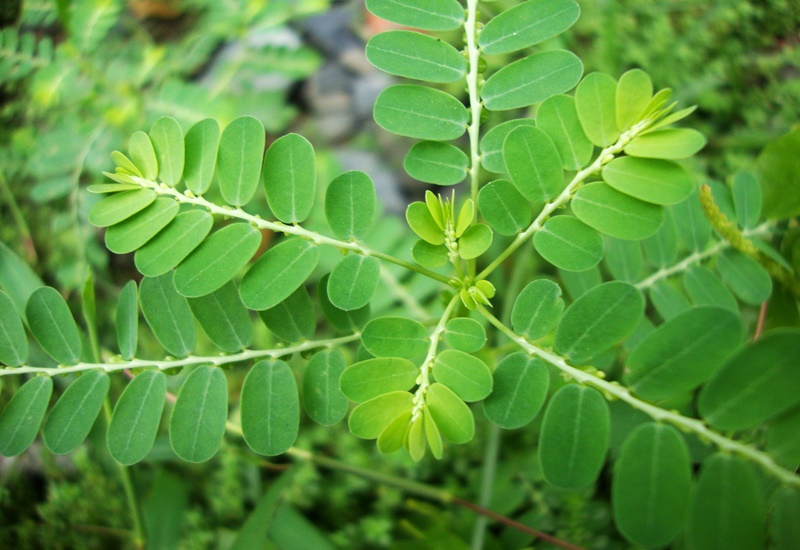
1. What Is the Stone Breaker Plant?
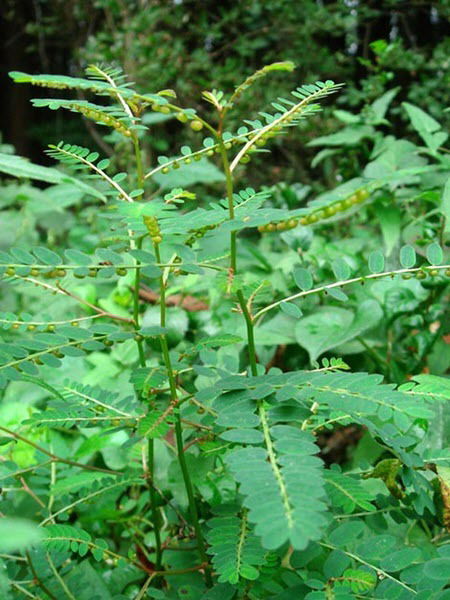
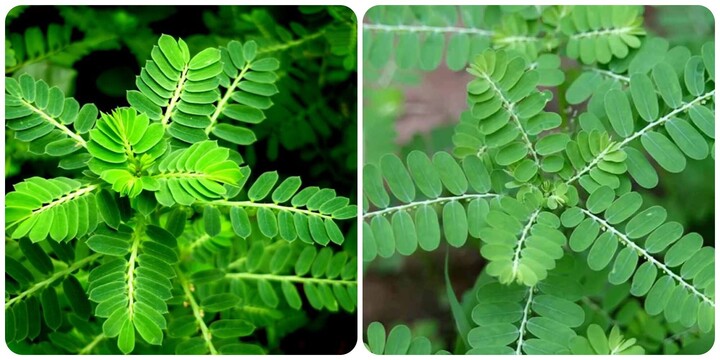
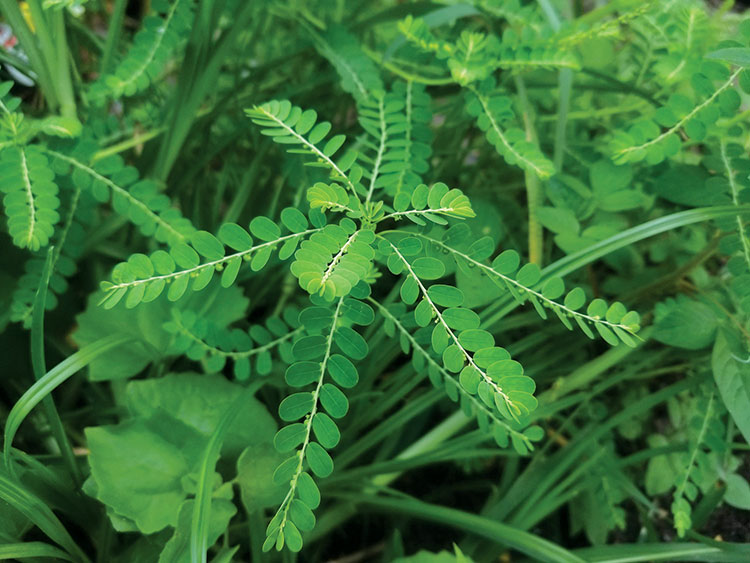
The term Stone Breaker Plant most often refers to Phyllanthus niruri, a small, leafy herb found in tropical
and subtropical regions around the world, including South America, India, Southeast Asia, and parts of
Africa.
It is known by many local names, such as:
-
Chanca piedra (Spanish)
-
Quebra-pedra (Portuguese)
-
Seed-under-leaf
-
Stonebreaker
For generations, traditional healers have used the entire plant—leaves, stems, and roots—to support kidney, liver, and urinary tract health.
2. Why Is It Called the “Stone Breaker”?
The nickname “stone breaker” comes from the plant’s traditional use in helping the body manage kidney
stones and gallstones. While it does not literally break stones apart instantly, the plant is believed to
support processes that may:
-
Reduce stone formation
-
Help relax the urinary tract
-
Encourage the natural passage of small stones
-
Prevent crystals from sticking together
These effects, when combined, can make stones easier to pass and less likely to form again.
3. How Kidney Stones Form
To understand how the stone breaker plant may help, it’s useful to know how kidney stones develop.
Kidney stones form when minerals - such as calcium, oxalate, or uric acid - become too concentrated in
the urine. Over time, these minerals can crystallize and grow into hard deposits.
Contributing factors include:
-
Dehydration
-
High sodium intake
-
Diets high in oxalates or animal protein
-
Certain metabolic or genetic conditions
Preventing stones often requires improving hydration, urine flow, and mineral balance—all areas where
herbal support may play a role.
4. How the Stone Breaker Plant May Support Kidney Health
1. Helps Inhibit Stone Formation
Research suggests that compounds in Phyllanthus niruri may interfere with the crystallization process that
leads to kidney stones. The plant may reduce the ability of calcium oxalate crystals to clump together and
adhere to kidney walls.
This could help:
-
Prevent new stones from forming
-
Keep existing crystals small and less problematic
2. Supports Natural Stone Passage
Traditional use and some studies indicate that the stone breaker plant may help relax the smooth muscles
of the urinary tract. This relaxation can ease discomfort and allow small stones to pass more smoothly
through the ureters.
3. Promotes Healthy Urine Flow
The plant has mild diuretic properties, meaning it may encourage increased urine production. Higher
urine volume helps dilute mineral concentrations, reducing the likelihood of crystal formation.
Better urine flow also supports the flushing of small particles before they grow into stones.
4. Anti-Inflammatory and Antioxidant Effects
Kidney stones often cause irritation and inflammation within the urinary system. Phyllanthus niruri
contains antioxidants and anti-inflammatory compounds that may help:
-
Reduce oxidative stress in kidney tissues
-
Calm inflammation caused by stone movement
-
Support overall kidney function
5. Additional Health Benefits Beyond Kidney Stones
While best known for kidney health, the stone breaker plant has traditionally been used for other purposes
as well.
Liver Support
In many cultures, it is used to support liver health and bile flow, particularly in traditional systems of
medicine.
Urinary Tract Health
Its antimicrobial and anti-inflammatory properties may help support urinary tract balance and comfort.
Blood Sugar and Cholesterol Support
Some studies suggest potential benefits for metabolic health, though more research is needed.
6. How the Stone Breaker Plant Is Used
The plant is commonly prepared in several forms:
-
Herbal tea (dried leaves and stems steeped in hot water)
-
Capsules or tablets
-
Liquid extracts or tinctures
In traditional use, tea is often consumed once or twice daily for a limited period rather than continuously
year-round.
7. Safety, Precautions, and Who Should Avoid It
Although generally considered safe when used appropriately, the stone breaker plant is not suitable for
everyone.
Important precautions:
-
People who are pregnant or breastfeeding should avoid it unless advised by a healthcare professional
-
Those with low blood pressure or low blood sugar should use caution
-
Individuals on diuretics or kidney medications should consult a doctor before use
It should not replace medical treatment for severe kidney stones or acute pain.
8. Scientific Research and Evidence
Modern research on Phyllanthus niruri supports many of its traditional uses, particularly in relation to
kidney stones. Clinical studies have shown that it may help reduce stone size, prevent recurrence, and
ease urinary symptoms in some individuals.
However, experts emphasize that:
-
Results vary from person to person
-
Herbal remedies work best as supportive care
-
Lifestyle changes remain essential
9. Lifestyle Habits That Enhance Its Effectiveness
For best results, herbal support should be paired with healthy habits, including:
-
Drinking enough water daily
-
Reducing excess salt and sugar
-
Balancing calcium and oxalate intake
-
Maintaining a healthy weight
No herb can overcome chronic dehydration or poor dietary habits on its own.
Final Thoughts
The Stone Breaker Plant has earned its reputation through centuries of traditional use and growing
scientific interest. While it is not a miracle cure, it offers meaningful support for kidney and urinary health -
particularly for those prone to stone formation.
When used responsibly and alongside proper hydration, nutrition, and medical guidance, this plant
represents a powerful example of how nature can complement modern health care.
Sometimes, the most effective remedies don’t force the body to change - they help it return to balance.