A low price at the fish stall can feel like a win—protein for the family without blowing the budget. But “cheap” doesn’t always mean “good value.” Fish is highly perishable, and certain types are more likely to carry risks such as contamination, improper storage, heavy metals, or even mislabeling. The good news: you don’t need to fear seafood. You just need to know which “budget fish” categories deserve extra caution and how to buy smarter.
Below are six kinds of fish you may want to skip—or at least think twice about—especially when the deal seems too good to be true.
1) Fish With a Strong “Fishy” Smell (Old or Poorly Handled)
Fresh fish should smell like the ocean—clean and mildly salty—not sour, ammonia-like, or sharply “fishy.” A strong odor can signal breakdown of proteins and bacterial growth, particularly when fish has been held at unsafe temperatures.
Red flags: sticky/slimy surface, cloudy eyes, gills that are brown or gray (not bright red), flesh that doesn’t spring back when pressed.
2) Unlabeled “White Fish” Fillets (High Mislabel Risk)
Boneless fillets are convenient, but once skin and head are removed, fish is easier to misrepresent. Some sellers may swap species—sometimes harmless, sometimes risky—because cheaper fish can be marketed as more desirable varieties.
Why it matters: mislabeling can affect allergy risk, mercury exposure, and sustainability. If you can’t confirm the species and origin, the “bargain” may not be a bargain at all.
Safer move: buy whole fish when possible, or choose packaged fish with clear labeling (species name, country of origin, date).
3) Bottom-Feeding Fish From Polluted Waters (Higher Contaminant Exposure)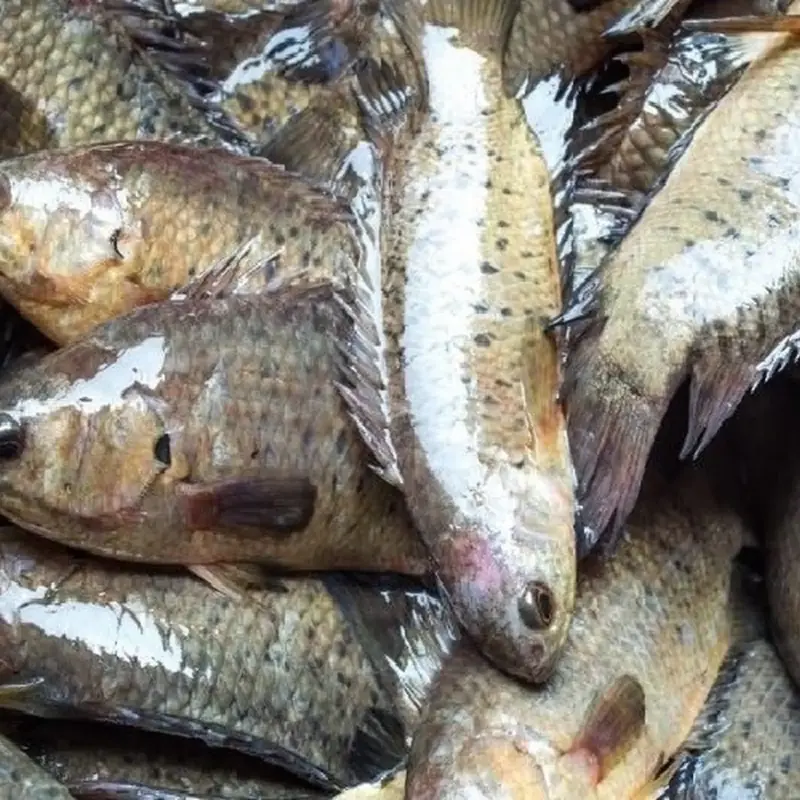
Fish that live and feed near the bottom can accumulate pollutants from sediment in heavily industrialized or poorly regulated waterways. This doesn’t mean all bottom-feeders are dangerous—only that source matters a lot.
What to do instead: ask where it was caught, look for reputable suppliers, or choose fish known to come from cleaner waters and regulated fisheries.
4) Large Predatory Fish (Higher Mercury Potential)
Bigger, longer-living predators tend to concentrate mercury through the food chain. Some can be sold cheaply when there’s oversupply or when cuts are less popular.
Who should be most cautious: pregnant people, breastfeeding parents, and young children. They don’t need to avoid fish entirely—but should prioritize low-mercury options.
Better budget alternatives: smaller fish and short-lived species are often safer choices.
5) Very Cheap Farmed Fish With Unclear Standards
Aquaculture can be excellent when managed well—but poorly regulated farming may involve overcrowding, higher disease risk, and questionable use of chemicals. The risk is not “farmed fish,” it’s unknown-quality farmed fish.
Clues to watch: no information about farm location, no certification, unusually low price compared to the market, or fish that looks waterlogged and mushy.
Smarter pick: reputable brands or sellers that can explain farming practices, handling, and cold-chain storage.
6) “Bargain” Fish That’s Been Thawed and Re-Frozen
Some fish is frozen at sea and sold thawed later—that’s normal. The issue is when fish is thawed, sits too long, then is re-frozen or kept half-frozen. This can increase bacterial risk and ruin texture.
Signs: lots of ice crystals in the flesh, excessive liquid in packaging, dry edges (“freezer burn”), or fish that falls apart when handled.
How to Buy Fish Safely (Even on a Budget)
You can still enjoy affordable seafood if you shop with a checklist:
-
Temperature first: fish should be kept on abundant ice or in a proper cooler.
-
Look, smell, touch: firm flesh, clean smell, shiny skin, clear eyes.
-
Ask questions: species name, origin, catch/farm method, and date.
-
Cook and store properly: refrigerate quickly; keep raw fish separate; cook thoroughly.
-
When in doubt, choose frozen: high-quality frozen fish can be safer than “questionable fresh.”