What Are Foodborne Parasites?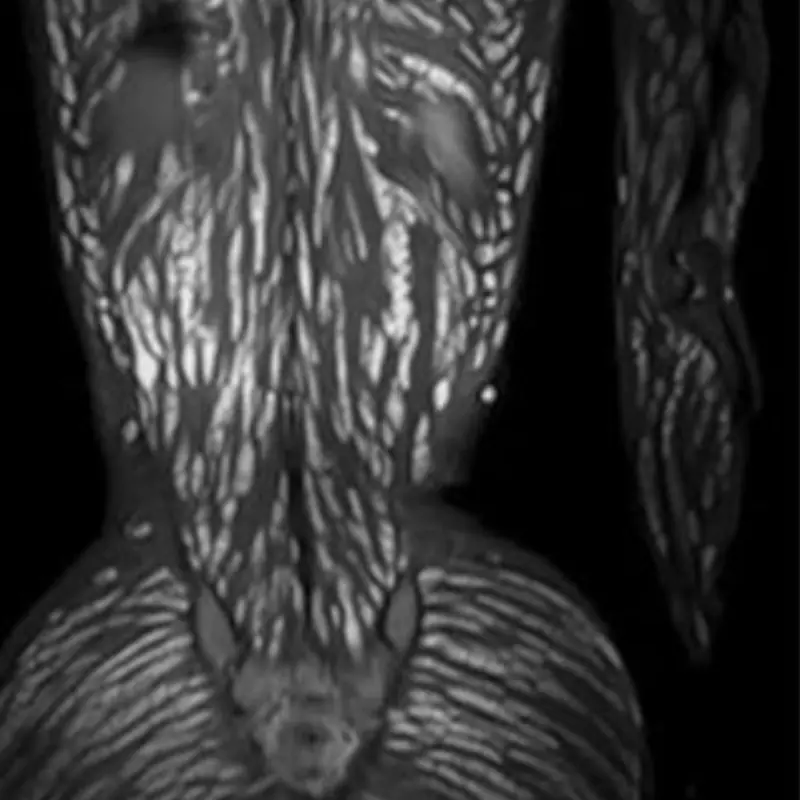
Parasites are organisms that live in or on another host to survive. In humans, common food-related parasites include roundworms, tapeworms, flukes, and protozoa. You can’t reliably “see” them with your eyes—especially in early stages—so relying on appearance, smell, or taste isn’t enough.
Some parasites infect the intestines, while others can affect organs, muscles, or the nervous system. That’s why food safety experts treat parasite prevention as more than just avoiding stomach upset—it’s about avoiding potentially serious health complications.
Foods Most Commonly Linked to Parasite Exposure
Not all foods carry the same risk. Parasite exposure is more likely when you eat items that are raw, undercooked, or prepared in unsafe conditions, such as:
-
Raw or undercooked freshwater fish (and sometimes seafood, depending on handling)
-
Raw shellfish from polluted waters
-
Undercooked pork or wild game
-
Unwashed vegetables and herbs, especially if irrigated with contaminated water
-
Street foods or dishes prepared without hygiene controls
-
Raw snails or other unconventional delicacies in some regions
The image suggests a “one bite” scenario because a small amount can be enough if the contamination level is high or the parasite is particularly infectious.
How Parasites Enter Your Body
Parasites typically reach humans through one of these routes:
-
Undercooking: Heat that isn’t high enough or long enough to kill larvae/eggs
-
Cross-contamination: A knife or cutting board used for raw meat/fish touching ready-to-eat food
-
Contaminated water: Washing produce with unsafe water can spread parasites
-
Improper storage: Foods left at unsafe temperatures allow organisms to survive or multiply
A key takeaway: it’s often not the food itself—it’s the handling.
Symptoms People Often Ignore
Parasite infections can be mild at first, which makes them easy to dismiss. Watch for:
-
Persistent stomach pain, nausea, diarrhea, or bloating
-
Unexplained weight loss or fatigue
-
Itching around the anus (common with some worms)
-
Anemia or nutrient deficiencies
-
Skin rashes or allergic-like reactions
If symptoms persist after eating risky foods—especially raw/undercooked items—seek medical advice rather than self-treating.
The Best Protection Is Simple: Food Safety Basics
You don’t need to fear food—you need a routine:
-
Cook thoroughly: Use safe cooking temperatures for meat and fish
-
Freeze when appropriate: Some parasites can be reduced by proper freezing (especially for fish intended to be eaten raw)
-
Wash produce carefully: Rinse under running water; scrub firm produce
-
Separate raw and cooked: Different boards/knives; sanitize surfaces
-
Clean hands properly: Before/after handling raw ingredients
-
Choose reputable sources: Safer supply chains reduce contamination risk
These steps don’t just reduce parasites—they also reduce bacteria and viruses.