In recent years, health-related images and messages shared on social media have gained enormous attention, especially those claiming to reveal “hidden signs” of internal problems. One widely shared warning suggests that darker pigmentation in certain body areas—such as around the lips, neck, underarms, or intimate areas—may indicate toxin buildup in the uterus. While the wording may sound alarming, the topic opens an important discussion about women’s health, skin changes, and how the body communicates imbalance.
This article explores what darkened skin may really mean, what it does not mean, and when women should consider paying closer attention to these signs.
Understanding Skin Color Changes in the Body
Skin color naturally varies across different parts of the body. Areas that experience friction, moisture, hormonal influence, or repeated irritation often appear darker than surrounding skin. This process is known as hyperpigmentation and is usually caused by increased melanin production.
Importantly, darker skin in certain regions is not automatically a sign of disease. In many cases, it is a normal physiological response.
Darkening Around the Mouth and Lips
Dark patches around the corners of the mouth or lips, like those shown in the image, are commonly associated with dryness, frequent lip-licking, irritation, allergic reactions to cosmetics or toothpaste, smoking, or sun exposure. Hormonal changes and post-inflammatory pigmentation can also play a role.
Although these changes are usually harmless, persistent or worsening discoloration should not be ignored, especially if accompanied by itching, cracking, or swelling.
Neck, Underarms, and Skin Folds
Darkened skin on the neck, underarms, inner thighs, or under the breasts is often linked to friction, sweat, shaving, or tight clothing. However, in some cases, thickened or velvety dark patches may be associated with metabolic conditions such as insulin resistance.
These areas deserve attention when the color change is sudden, spreads quickly, or comes with fatigue, weight changes, or irregular menstrual cycles.
Intimate Areas: What Is Normal and What Is Not
Many women notice darker pigmentation in the vulvar or bikini area, and this is often completely normal. Hormones, aging, pregnancy, genetics, and repeated friction all influence skin tone in intimate regions.
That said, unusual dark spots, rapid changes in color, pain, or lesions that do not heal should always be examined by a healthcare professional.
The Myth of “Uterine Toxin Buildup”
Despite viral claims, the uterus is not an organ that stores toxins, and there is no scientific method to diagnose uterine health by observing skin color alone. Uterine issues typically present through symptoms such as abnormal bleeding, pelvic pain, unusual discharge, or menstrual irregularities—not external skin changes.
Relying solely on visual signs can delay proper diagnosis and treatment.
When Should Women Seek Medical Advice?
Women should consider medical evaluation if darkened skin:
-
Appears suddenly or worsens rapidly
-
Is accompanied by pain, itching, bleeding, or texture changes
-
Occurs alongside menstrual abnormalities or pelvic discomfort
-
Does not improve despite good skincare and lifestyle adjustments
Listening to your body and recognizing patterns is far more reliable than following alarming online claims.
A Balanced Approach to Women’s Health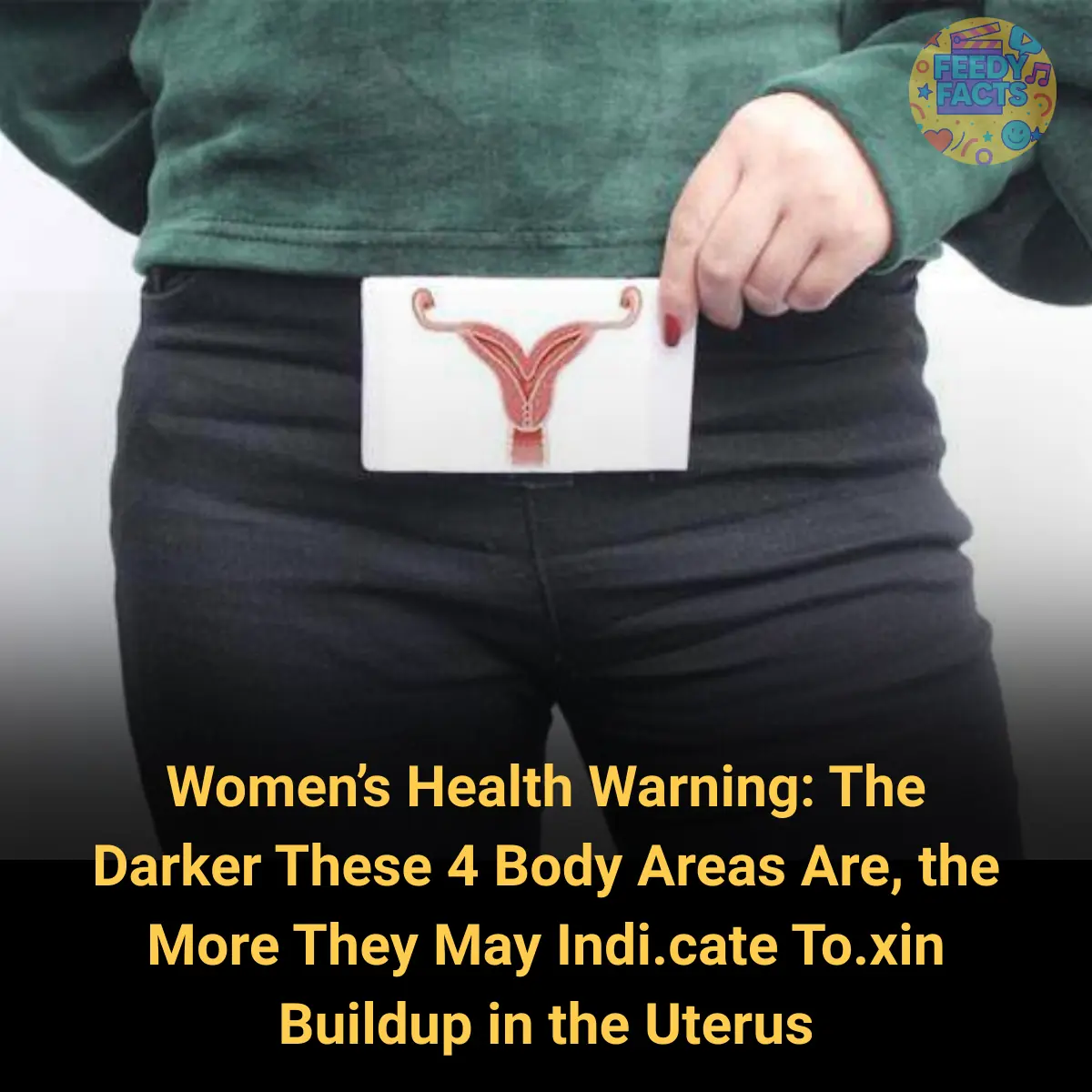
Social media health warnings often mix fragments of truth with misinformation. While skin changes can reflect hormonal or metabolic shifts, they should be viewed as signals to observe, not instant diagnoses.
True women’s health awareness comes from understanding symptoms, maintaining regular checkups, and seeking professional guidance—rather than fearing viral headlines.