Why Your Phone Works Differently in Europe (And What They’re Not Telling You)
Facts 11/01/2026 14:32
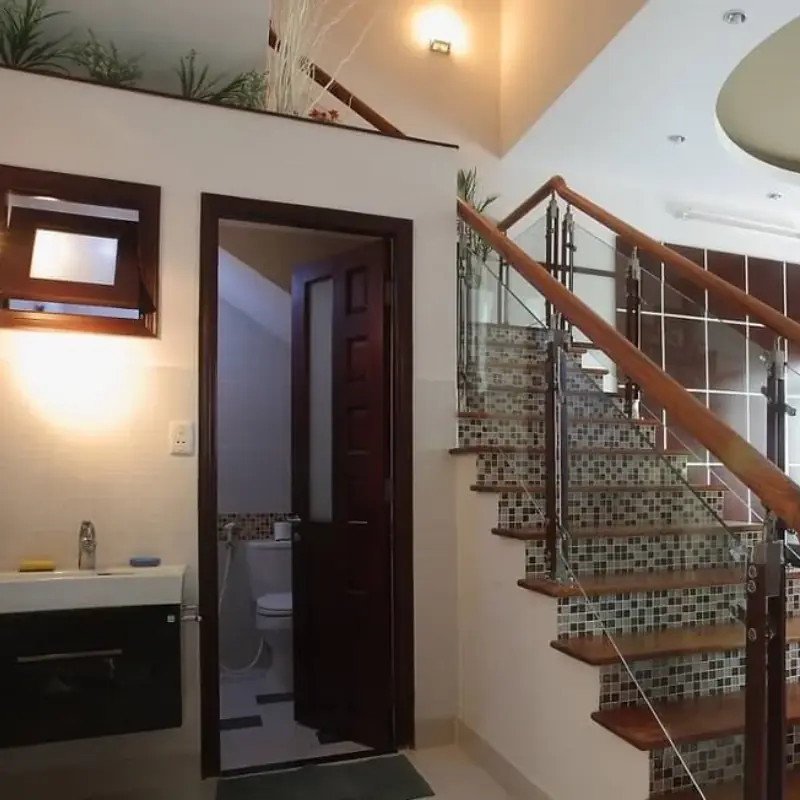
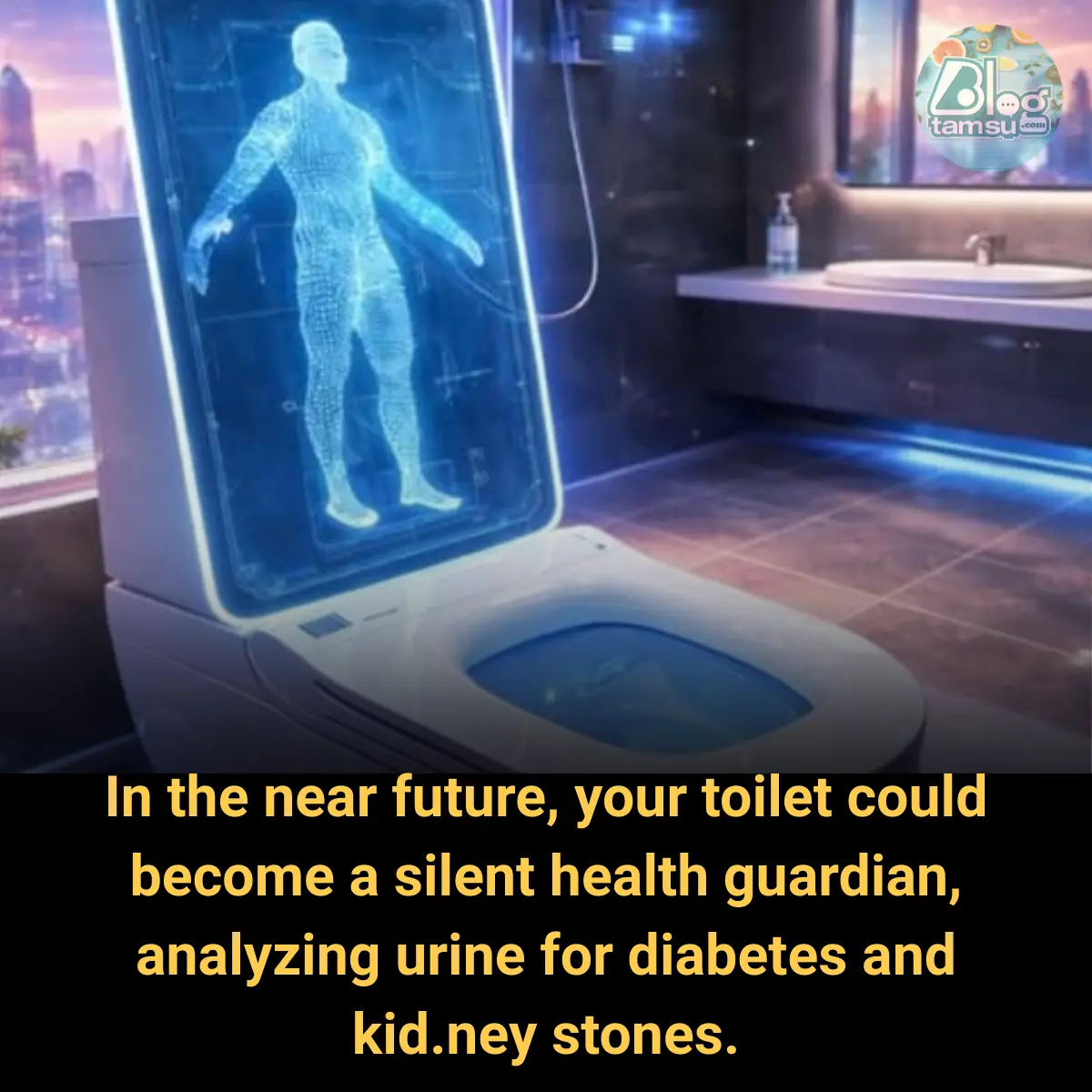
A toilet has always been one of the most ordinary objects in a home—quiet, practical, and often ignored. But the image of a glowing, futuristic bathroom hints at a very different role: a “silent health guardian” that analyzes urine and flags early signs of diabetes and kidney stones. It sounds like science fiction, yet the idea is rooted in a simple truth—your urine carries a surprising amount of health information, and we flush it away every day.
In the near future, that routine moment could become a daily checkup.
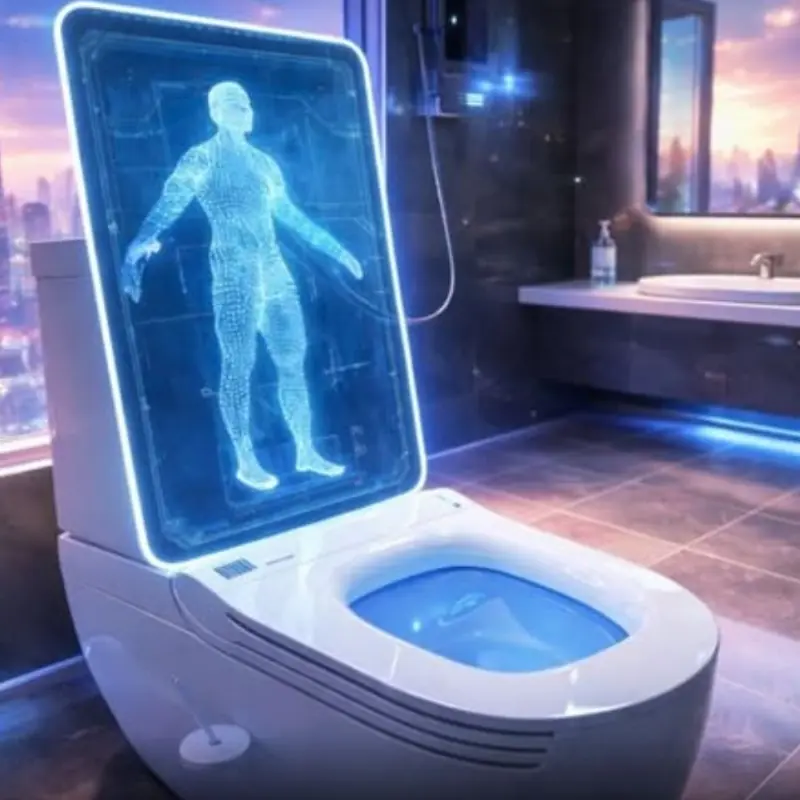
Urine is not just waste. It reflects how your body manages hydration, salt balance, metabolism, and kidney function. For diabetes, urine testing can reveal markers such as glucose (sugar) and ketones—signals that the body may be struggling to regulate blood sugar. For kidney stones, urine chemistry can hint at risk factors like concentrated urine, unusual mineral levels, or microscopic blood that may appear when stones irritate the urinary tract.
Today, these checks usually happen in clinics or labs. The future vision is to make them automatic, continuous, and convenient—without needles, appointments, or waiting rooms.
A smart toilet concept is essentially a mini laboratory built into the bathroom. Depending on the design, it might include:
Optical sensors to examine color and clarity
Chemical test strips or microfluidic cartridges to detect specific markers (glucose, protein, blood, pH, ketones)
AI pattern recognition that compares your data against your personal baseline
Identity verification (for multi-person households) using safe methods such as seat sensors, motion patterns, or optional user profiles
A connected app or dashboard that sends gentle alerts when something looks abnormal
Instead of diagnosing you, the system would act like an early-warning radar—nudging you to hydrate, adjust habits, or seek medical testing when needed.
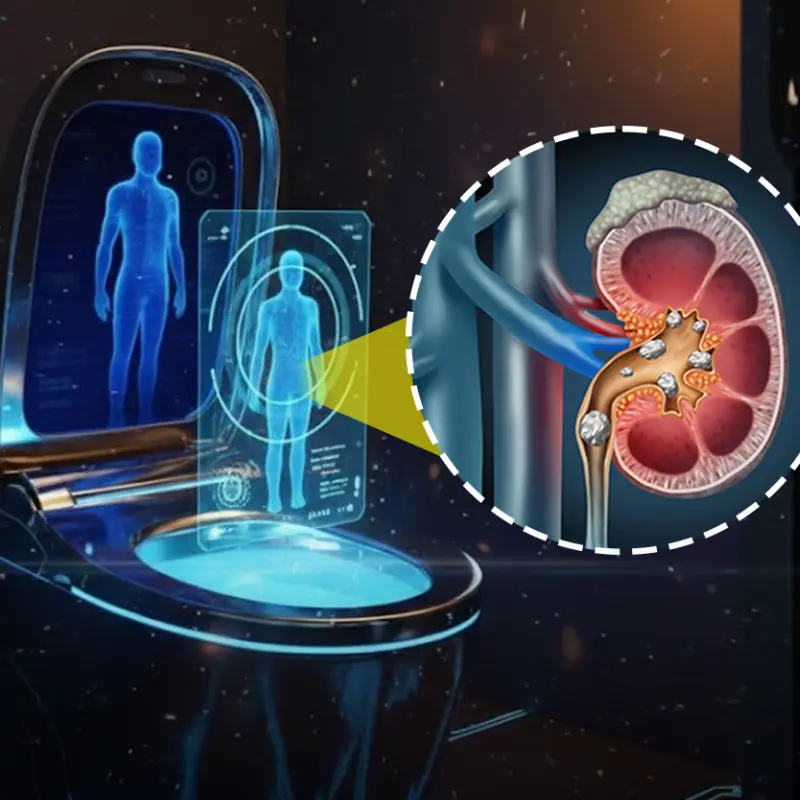
Type 2 diabetes often develops quietly. Many people don’t realize their blood sugar is high until symptoms become obvious—or complications begin. A toilet-based monitoring system could help by spotting patterns that suggest rising risk: repeated traces of glucose, unusual ketone signals, or consistent dehydration patterns.
The biggest advantage isn’t “instant diagnosis.” It’s trend detection—finding small changes early, before they become a major health event.
Kidney stones can feel like a lightning strike—sudden, severe, and unforgettable. But risk often builds slowly. If a smart toilet detects consistently concentrated urine, unusual pH levels, or other stone-friendly conditions, it could advise simple prevention steps: drink more water, reduce excess sodium, or talk to a clinician about stone risk if you’ve had them before.
For people prone to stones, that kind of daily feedback could be life-changing.
Turning a bathroom into a health-monitoring zone raises serious questions:
Privacy: Urine data is health data. Who owns it? Where is it stored? Can it be sold or shared?
Accuracy: Home sensors can produce false alarms—or miss early warning signs. Any system must be validated and transparent about limitations.
Security: If your health metrics are connected to the internet, they must be protected like medical records.
Mental load: Too many alerts can create anxiety. The best systems will be calm, minimal, and supportive—not fear-driven.
A smart toilet should never replace doctors. Its value is in screening, reminders, and early signals, not medical certainty.
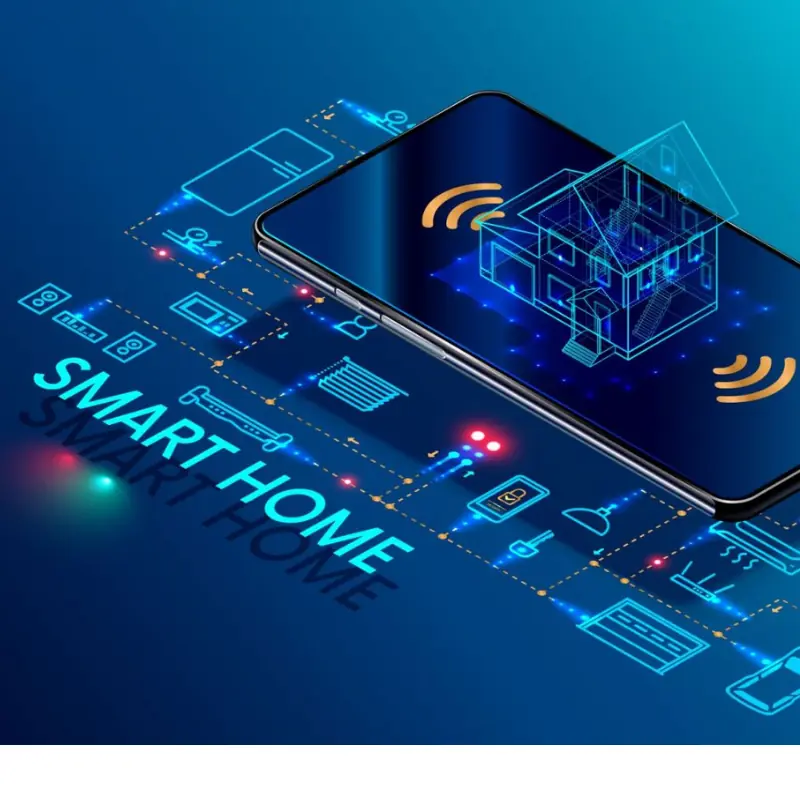
A toilet that tracks urine is part of a larger trend: homes becoming health environments. Smart mirrors may analyze skin tone or fatigue, wearables already monitor heart rate and sleep, and mattresses can track breathing patterns. Put together, these tools could create a “health map” that helps people catch problems earlier and manage chronic conditions more smoothly.
The future bathroom may not just be smart—it may be preventative.