A striking image of a robotic hand reaching toward a glowing digital brain is circulating online with a bold headline: “11 Future Technologies That Will Change Everything.” The message feels dramatic—but many experts agree that the next few decades will bring breakthroughs as disruptive as the internet, smartphones, and electricity.
From artificial intelligence and brain-computer links to clean energy and medical miracles, these emerging technologies could reshape how we work, travel, heal, and even understand what it means to be human.
Below are 11 future technologies most likely to transform everyday life—some already in development, others still in early stages.
1) Artificial General Intelligence (AGI) and Advanced AI Assistants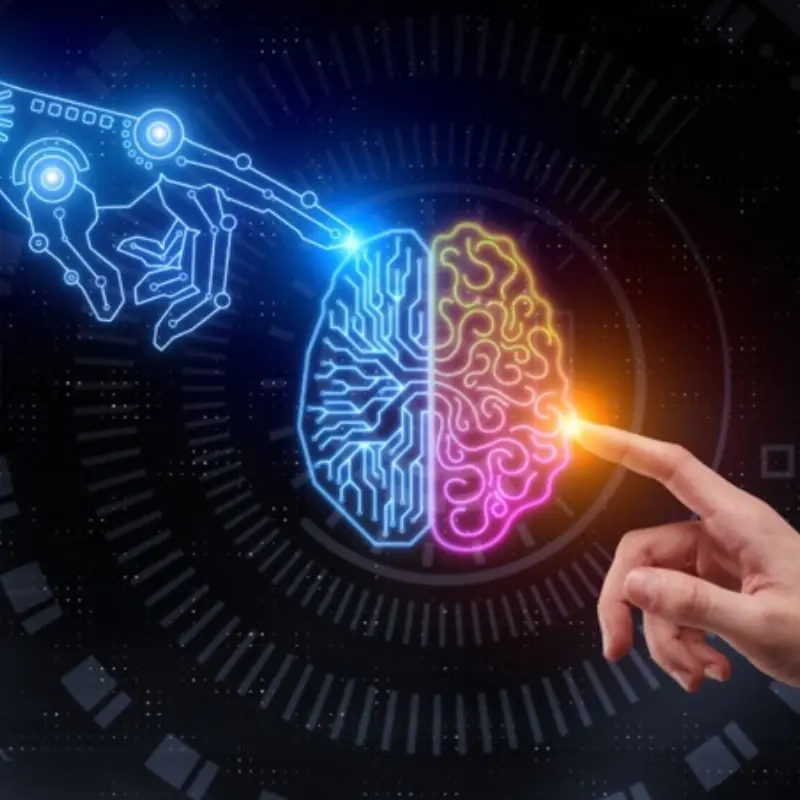
AI has already changed writing, design, coding, and customer service. The next phase is more powerful reasoning and decision-making, where AI assistants may manage schedules, analyze finances, plan projects, and support healthcare.
If AI continues improving, it could become a “second brain” for humans—helping solve complex problems faster than ever.
2) Humanoid Robots in Homes and Workplaces
Robots are no longer limited to factories. The future could bring human-like robots that can cook, clean, deliver packages, assist elderly people, or work in warehouses and hospitals.
This could reshape labor markets, creating new opportunities while replacing some repetitive jobs.
3) Brain–Computer Interfaces (BCIs)
BCIs aim to connect the brain directly to computers. In early medical use, these technologies may help people with paralysis communicate, type, or control devices.
In the long term, BCIs could allow faster learning, hands-free control of technology, and new ways to treat neurological disorders.
4) Personalized Medicine and AI-Driven Diagnosis
Healthcare is shifting toward precision medicine, where treatments are tailored to your genetics, lifestyle, and risk profile. AI tools may detect diseases earlier through scans, blood tests, or even voice analysis.
Instead of “one treatment for all,” future medicine may be designed specifically for you.
5) Gene Editing (CRISPR and Beyond)
Gene editing could revolutionize medicine by correcting inherited disorders or preventing disease before symptoms appear. Researchers are exploring treatments for conditions once thought untreatable.
However, ethical concerns remain—especially around editing embryos or changing traits beyond health.
6) Lab-Grown Organs and 3D Bioprinting
Organ shortages are one of the biggest challenges in modern medicine. Future technologies may allow organs to be grown from a patient’s own cells—reducing rejection risk and saving countless lives.
3D bioprinting is also being developed for tissues like skin, cartilage, and potentially full organs.
7) Quantum Computing
Quantum computers could solve problems that are nearly impossible for today’s machines—like advanced chemistry simulations, better materials discovery, and improved logistics.
This could impact everything from drug development to cybersecurity, potentially transforming industries that depend on complex calculations.
8) Clean Energy Breakthroughs (Fusion and Next-Gen Batteries)
The world is racing for cleaner energy. Future breakthroughs could include:
-
fusion energy (a long-term goal with huge potential)
-
high-capacity batteries for electric vehicles
-
more efficient solar panels
-
smart grids that reduce waste
If these technologies scale, they could dramatically reduce pollution and energy costs.
9) Self-Driving Transportation and Smart Mobility
Autonomous vehicles, drones, and smart traffic systems could reduce accidents and change city design. In the future, transport may become:
-
safer
-
faster
-
more accessible for elderly and disabled people
-
less dependent on individual ownership
This could reshape how cities function.
10) Augmented Reality (AR) and Spatial Computing
Instead of staring at a phone, future users may interact with digital information layered over the real world. AR glasses could replace screens for work, education, and entertainment.
This may change how people learn, collaborate, shop, and experience social media.
11) Smart Homes That Monitor Health
Future homes may monitor key health metrics like sleep quality, movement, breathing, and heart rate using invisible sensors. These homes could detect early warning signs of illness and call for help in emergencies.
For aging populations, this could be one of the most impactful technologies—allowing people to live independently longer and more safely.
The Big Question: Will These Technologies Help Everyone?
While these innovations sound exciting, experts warn that the future will depend on how technology is managed. Key concerns include:
-
privacy and surveillance
-
job disruption
-
unequal access
-
AI bias and misinformation
-
ethical limits in genetics and brain tech
If handled responsibly, these technologies could raise living standards worldwide. If not, they could deepen inequality.