A medical-style graphic showing the urinary system and a highlighted bladder is circulating online with a warning headline: “Early Signs and Symptoms of Bladder Cancer.” The message has caught attention for a reason. Bladder cancer is one of the more common cancers of the urinary tract, and doctors say early detection can make a major difference in treatment success.
The challenge is that early bladder cancer symptoms can look like routine urinary problems—such as infections or irritation—so many people ignore them. Knowing what to watch for can help people seek care sooner.
What Is Bladder Cancer?
Bladder cancer begins when abnormal cells grow in the lining of the bladder, the organ that stores urine. It can stay on the surface lining (non–muscle invasive) or grow deeper into the bladder wall (muscle invasive). Catching it early often means more options and less aggressive treatment.
1) Blood in the Urine: The Most Common Early Warning Sign
One of the clearest early signs is blood in the urine, also known as hematuria. It may appear as:
-
pink urine
-
red urine
-
brown or cola-colored urine
-
or microscopic blood only seen in lab tests
Importantly, blood in the urine may come and go. Some people see it once and never again for weeks, which can lead to delay in checking it. Doctors emphasize: any blood in the urine should be evaluated, even if it disappears.
2) Frequent Urination and Sudden Urgency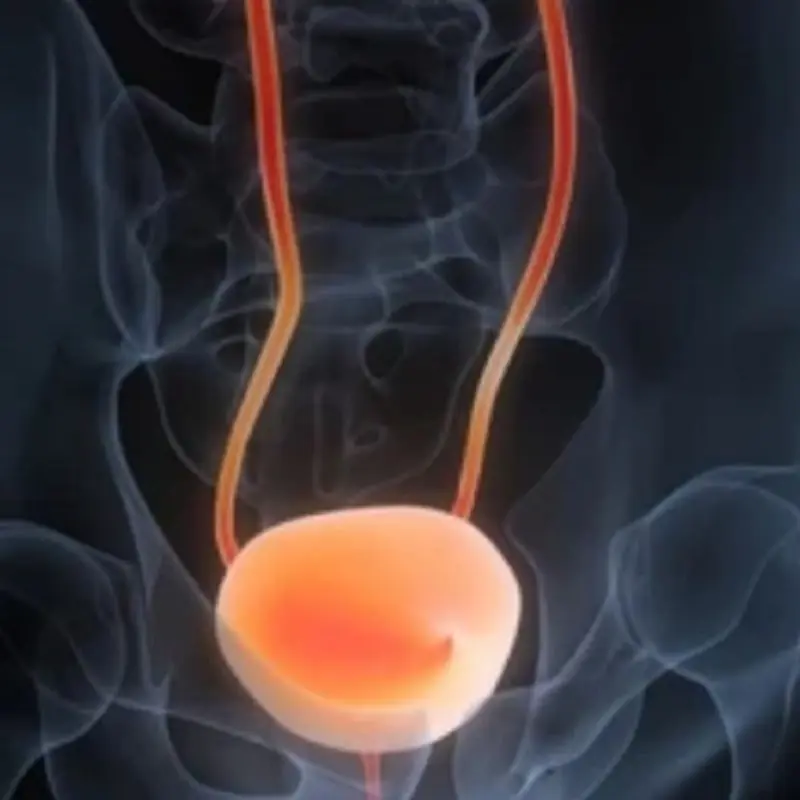
Many patients report changes in urination habits, including:
-
needing to urinate more often
-
sudden, strong urges to urinate
-
waking up several times at night to pee
These symptoms are common in urinary tract infections (UTIs) and overactive bladder, but if they persist without clear infection, they should be checked.
3) Burning or Pain When Urinating
Pain or burning while urinating may also be an early symptom. Because it can resemble a UTI, some people repeatedly treat themselves with home remedies or antibiotics without fully investigating the cause.
If burning urination keeps returning, or if tests show no infection, doctors may consider further evaluation.
4) Feeling Like You Can’t Empty the Bladder
Another warning sign is difficulty passing urine, including:
-
weak urine stream
-
trouble starting urination
-
feeling like the bladder isn’t fully empty
This symptom may occur if a tumor affects the bladder neck or urinary flow. It can also be caused by prostate enlargement in men, so medical evaluation is important to find the exact cause.
5) Pelvic Pain or Lower Back Pain (Later-Stage Signs)
In some cases, bladder cancer may cause discomfort in the lower pelvis or lower back. These signs are more likely when cancer is more advanced or affecting nearby tissues.
While back pain can have many causes, persistent pain along with urinary symptoms should not be ignored.
Who Is Most at Risk?
Doctors say several factors can increase bladder cancer risk:
Smoking
Smoking is one of the strongest risk factors because chemicals from tobacco enter the bloodstream and leave the body through urine, exposing the bladder lining.
Chemical Exposure
Long-term exposure to industrial chemicals (such as in manufacturing, dye, rubber, or certain chemical industries) may increase risk.
Age and Sex
Bladder cancer is more common in older adults and tends to occur more in men, though women can also develop it and may be diagnosed later due to misattributed symptoms.
Chronic Bladder Irritation
Repeated infections, long-term catheter use, or chronic inflammation may play a role in some cases.
When Should You See a Doctor?
You should seek medical evaluation if you notice:
-
blood in your urine (even once)
-
urinary urgency that lasts more than 1–2 weeks
-
frequent urination without infection
-
persistent pain when urinating
-
pelvic discomfort combined with urinary changes
Doctors may perform urine tests, imaging, or a cystoscopy (a small camera used to view the bladder) to find the cause.