Five “Don’ts” Every Woman Must Know Before a Gynec.ological Exam
Gynecological checkups are essential for women’s health and fertility. You should have them regularly—and remember the following points. These five “don’ts” will help protect your rights, ensure the best experience, and guarantee the most accurate results.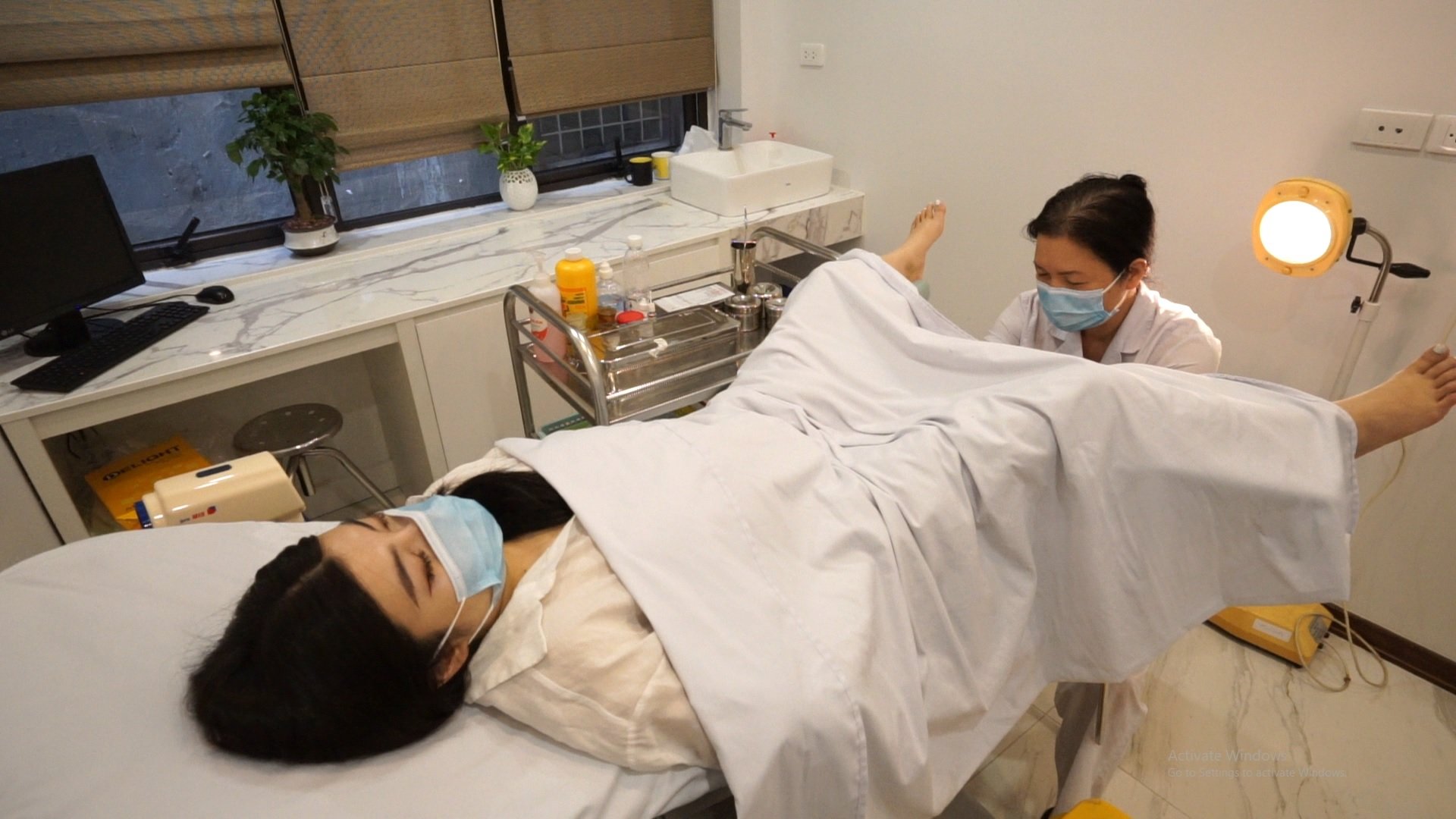
1. Don’t go for a gynecological exam when:
-
You’re on your period, as menstrual blood can affect test results. Ideally, wait at least three days after your period ends and go in the morning.
-
You’ve had sexual intercourse or vaginal penetration (including vaginal medications) within the past 1–2 days.
-
You’ve douched or used intimate cleansing products within the last 24 hours, as this can mask abnormal signs. Simply rinse the external area with clean water as usual.
-
You haven’t prepared questions you want to ask. While this doesn’t affect test results, it may leave you confused or uninformed. Likewise, be ready to answer basic questions from the doctor, such as the start and end dates of your last three menstrual cycles.
2. Don’t skip preparation or choose an unreliable clinic or doctor
Failing to research and select a reputable clinic and qualified doctor increases the risk of misdiagnosis, unnecessary expenses, and unpleasant or unsafe situations.
3. Don’t be unaware of your rights, such as:

-
You have the right to refuse an exam if the doctor has not asked about your medical history, clearly explained the procedure, or obtained your consent before asking you to lie down for a genital examination.
-
You have the right not to fully undress during the exam. For example, when examining the upper body, you can keep your pants or skirt on—and vice versa. To ensure this, wear simple, separate clothing.
-
You have the right to speak up if you feel uncomfortable or embarrassed during the exam.
-
You have the right to refuse answering overly personal or sensitive questions, and even the right to report the doctor if you feel disrespected or humiliated.
4. Don’t enter a private exam room alone with a male doctor without a third person present

This third person can be a nurse, another doctor, or a family member. This is not only for emotional comfort but also a standard medical protocol. According to Dr. Nguyen Duc Vinh, Head of the Department of Maternal and Child Health at the Ministry of Health, a doctor cannot safely examine, disinfect, handle instruments, and collect samples alone—there is always medical staff present to assist.
5. The most important “don’t” of all: Don’t skip gynecological exams altogether
Despite embarrassment, experts recommend starting gynecological checkups within three years of first sexual intercourse or at age 21, whichever comes first. You should go more frequently if you:
-
Have a family history of cancer
-
Engage in unsafe sexual practices
-
Have a sexually transmitted infection
-
Experience abnormal symptoms such as unusual bleeding or discharge, severe menstrual pain, itching, or genital pain
-
Have had abnormal results in previous exams
Prepare carefully and attend regular checkups to better understand your body, detect problems early, and receive timely treatment—helping protect both your health and your fertility in the long run.