Why Do Public Restroom Doors Always Have a Gap?
Many people feel uncomfortable with the gap under public restroom doors because it seems to reduce privacy. However, this design actually serves several very practical purposes.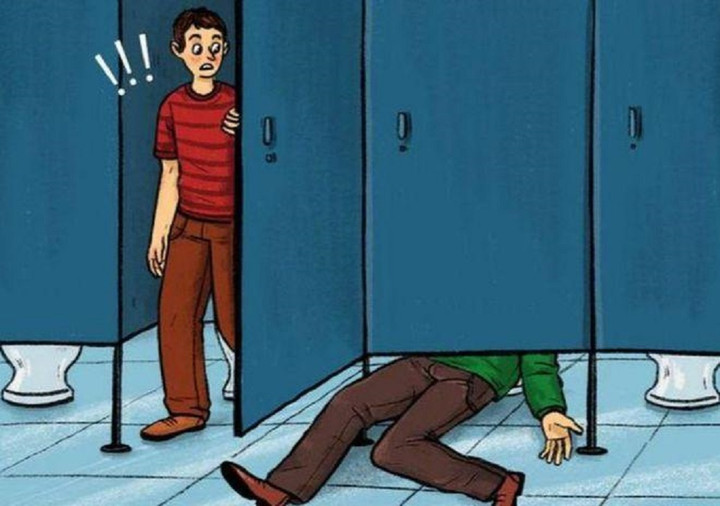
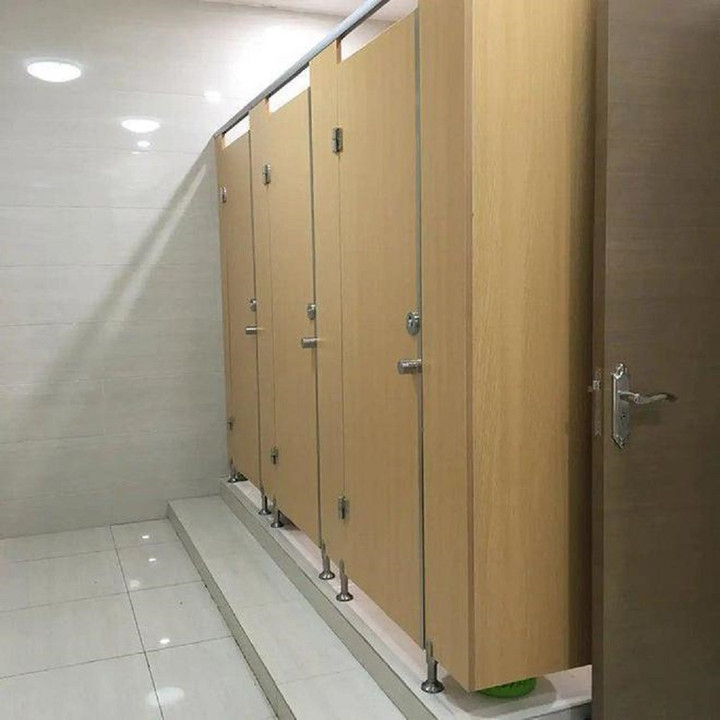
Have you noticed that most public restrooms have a gap of about 10–20 centimeters at the bottom of the door?
Why public restroom doors are designed with a gap
Some people find it inconvenient, worrying that passersby can see their feet. But this gap is not a design flaw or a way to save materials. In fact, it is clearly specified in urban public restroom design standards.
So why do public restroom doors always have a gap? Here are the main reasons:
For emergency situations
Public places have heavy foot traffic. If someone suddenly faints, becomes ill, or has an accident inside a stall, the gap allows people outside to notice something is wrong and provide help quickly. In reality, many emergencies have been handled thanks to this small opening.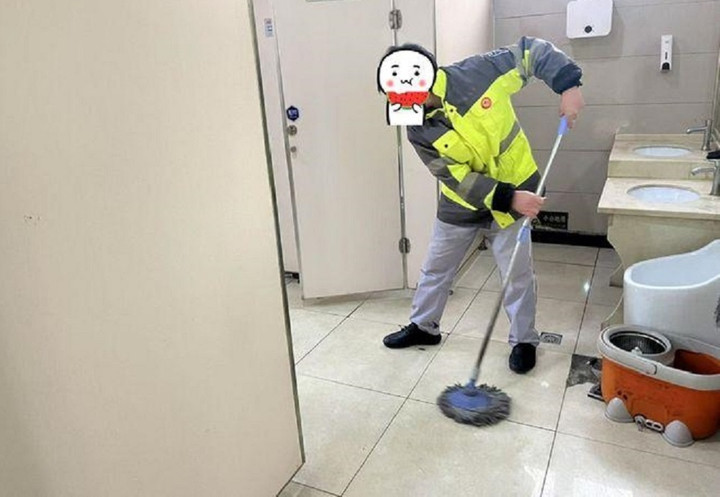
Easier cleaning
If the door touched the floor completely, the corners and the area behind the door would be difficult to clean and could easily become breeding grounds for bacteria. Thanks to the gap, cleaning staff can easily slide mops and squeegees underneath, keeping the restroom floor hygienic.
Better ventilation and odor control
Public restrooms are used frequently, so proper air circulation is especially important. The gap at the bottom of the door allows air to flow, helping reduce unpleasant odors.
Other practical benefits
The gap also helps deter inappropriate behavior. For example, if someone tries to smoke inside a stall, staff can more easily detect the smell of smoke.
In some cases, the gap can even be a lifesaver in awkward situations. If the person next to you runs out of toilet paper, you can discreetly pass some through the gap without the embarrassment of opening the door.
So don’t underestimate this small opening. While it sacrifices a bit of privacy, it provides far greater benefits in terms of safety, cleanliness, and ventilation.
Symbols on public restroom doors
Public restroom doors usually feature simple male and female icons so people can easily tell which restroom to use. For example, a figure wearing a skirt typically indicates the women’s restroom, while a figure without a skirt represents the men’s restroom. These symbols are simple and widely recognized.
However, in some places in China, restroom signs are designed in a much more complex and confusing way. For instance, one tourist attraction used images of an elephant and a giraffe on restroom doors. This left many people puzzled at first glance—they didn’t dare go in and had to wait for someone else to enter before following.
If you think about it carefully, though, the logic becomes clearer. The elephant represents the men’s restroom, as its strength symbolizes masculinity. Elephants also urinate standing up and sometimes spray water with their trunks.
The giraffe represents the women’s restroom, as its tall, elegant body and distinctive spots are eye-catching, symbolizing women’s love for beauty and fashion.
Even so, using elephants and giraffes as restroom symbols remains controversial. Some people find it overly complicated and confusing, while others believe it is a creative and playful design choice.