If You Have Hip Pain, It’s a Clear Sign That Something Deeper Is Wrong
Hip pain is often brushed off as a minor inconvenience—something to stretch away, sleep off, or ignore until it “goes away.” But medical experts warn that persistent or recurring hip pain is rarely harmless. In many cases, it is a loud signal from your body that something deeper is going wrong, and ignoring it can lead to long-term damage, loss of mobility, or even life-threatening complications.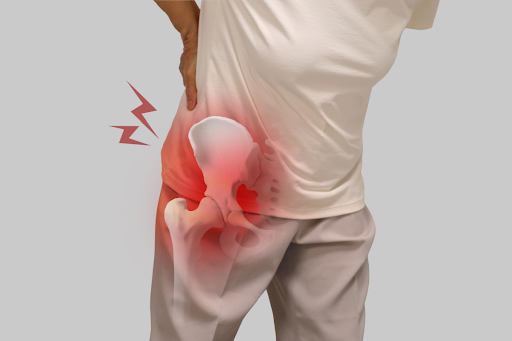
Hip Pain Is Not Just About the Hip
One of the most shocking truths about hip pain is that the hip itself is not always the source. The hip joint sits at the crossroads of muscles, nerves, blood vessels, and internal organs. Pain in this area can be referred from the lower spine, pelvis, abdomen, or even internal organs.
Doctors frequently see patients treated for “hip strain” who later discover the real cause was a herniated disc, sciatic nerve compression, or degenerative spine disease. In these cases, the hip pain is a warning flare—your nervous system is under stress, and the damage may already be progressing.
A Red Flag for Joint Degeneration
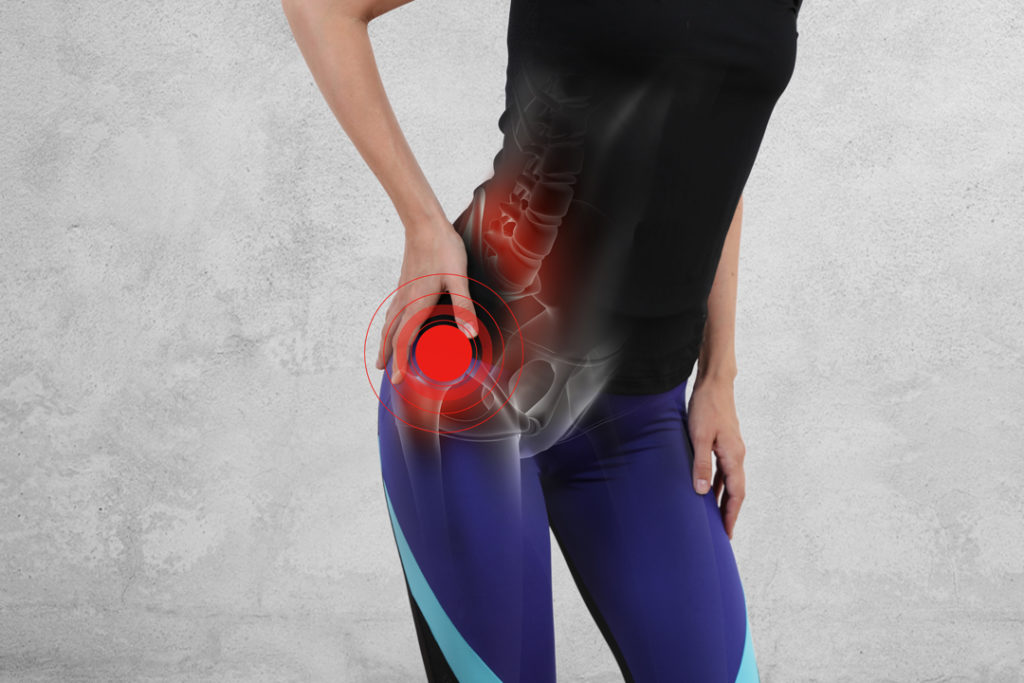
If your hip pain worsens with walking, standing, or climbing stairs, it may be an early sign of osteoarthritis. This condition doesn’t start suddenly. It develops silently as cartilage wears away, bone rubs against bone, and inflammation builds inside the joint.
What makes this dangerous is timing. Many people wait until the pain becomes unbearable—by then, joint damage is often irreversible. Early hip pain may be the only window you have to slow the disease through weight management, physical therapy, and targeted treatment before surgery becomes the only option.
Pain at Night Could Mean Something Serious
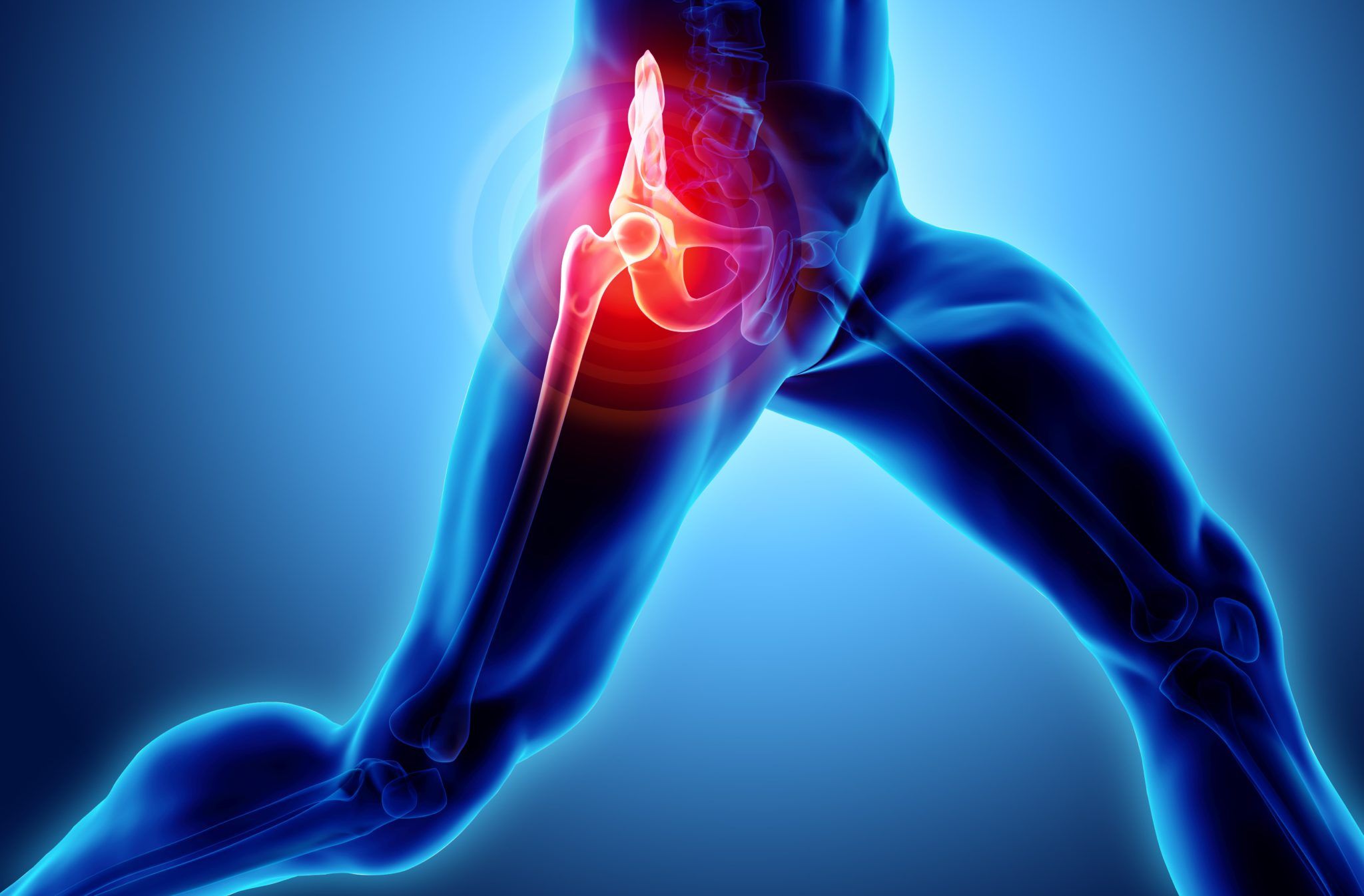
Hip pain that wakes you up at night or persists even at rest should never be ignored. According to orthopedic specialists, this pattern can signal inflammatory arthritis, bone infection, or in rare cases, bone tumors or metastatic cancer.
While these diagnoses are uncommon, doctors stress that night pain is one of the clearest warning signs that the body is fighting something more serious than muscle fatigue. Early evaluation can be lifesaving.
Hip Pain and Circulation Problems
A lesser-known but critical cause of hip pain is avascular necrosis, a condition where blood supply to the hip bone is reduced or cut off. Without blood, bone tissue dies, causing the joint to collapse.
This condition is strongly linked to long-term steroid use, excessive alcohol consumption, smoking, and certain autoimmune diseases. The frightening part? Early avascular necrosis may cause only mild hip discomfort—yet once the bone collapses, total hip replacement is often unavoidable.
When Hip Pain Signals Internal Disease
In some cases, hip pain has nothing to do with bones or muscles at all. Kidney stones, pelvic inflammatory disease, endometriosis, hernias, and even appendicitis can all cause pain that radiates to the hip area.
This is why doctors emphasize context. Hip pain combined with fever, nausea, unexplained weight loss, urinary problems, or menstrual changes should be treated as a medical priority, not a posture issue.
Athletes and Young Adults Are Not Immune
Shockingly, hip pain is increasing among young adults and athletes. Conditions such as labral tears, femoroacetabular impingement (FAI), and stress fractures are now being diagnosed in people in their 20s and 30s.
These injuries often start with subtle discomfort and stiffness. Pushing through the pain—especially with high-impact exercise—can permanently damage the joint and end athletic careers early.
The Cost of Ignoring the Warning
What makes hip pain especially dangerous is how easy it is to normalize. People adapt their posture, reduce activity, and unknowingly create secondary problems in the knees, back, and ankles. Over time, this compensation leads to chronic pain, muscle imbalance, and loss of independence.
Medical professionals agree on one point: hip pain is never “just aging.” It is information. It is your body asking for attention.
When to Take Action
Seek medical evaluation if hip pain:
-
Lasts more than two weeks
-
Worsens at night or at rest
-
Limits daily movement
-
Is accompanied by systemic symptoms
-
Appears after a fall or injury
Early diagnosis can mean the difference between simple treatment and permanent disability.
Hip pain is not a nuisance—it is a message. And the longer you ignore it, the louder and more dangerous that message becomes.