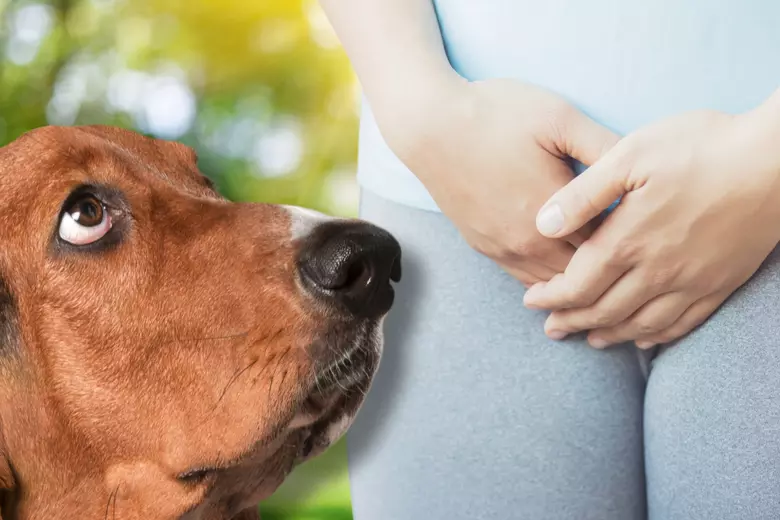
If you’ve ever taken a dog for a walk, you know the routine: a few steps forward, then a sudden stop. Nose to the ground. Total focus. To
humans, it can look obsessive or distracting. But for dogs, sniffing is not a side activity - it’s the main event.
So what’s really going on when dogs sniff everything around them? Is it just instinct, or does it go deeper than that?
The answer is both. Sniffing is natural, but it’s also one of the most complex and meaningful behaviors in a dog’s life.
A Nose Built for Another World
Dogs experience the world primarily through scent, not sight. A human has about 5–6 million scent receptors. A dog can have over 200
million, depending on the breed. The part of a dog’s brain dedicated to analyzing smells is also dramatically larger than ours.
When a dog sniffs, it isn’t just detecting an odor. It’s collecting layers of information:
-
Who passed by
-
How long ago they were there
-
Whether they were male or female
-
What they ate
-
If they were stressed, healthy, or ready to mate
To a dog, a patch of grass is not just grass. It’s a detailed story.
Sniffing as Communication
Dogs don’t leave written messages or voice notes. They leave scent.
Urine, sweat glands in the paws, and natural body oils all carry chemical signals. When one dog sniffs where another has been, it’s similar to
reading social media updates left behind.
This is why dogs often:
-
Sniff the same spot intensely
-
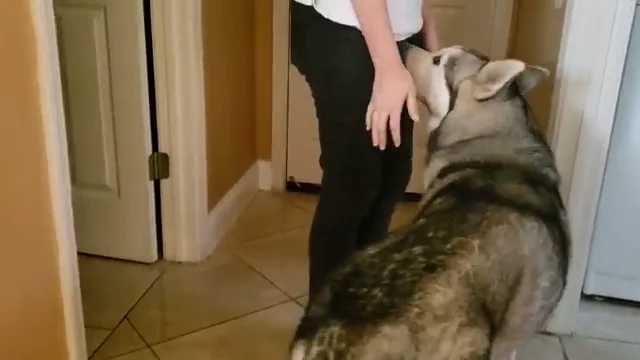
Sniff each other’s faces or rear ends
-
Revisit familiar areas repeatedly
They’re checking for updates. Who’s new? Who’s gone? Who’s anxious? Who’s confident?
More Than Instinct: Emotional Regulation
Sniffing isn’t just about information - it’s also about emotional balance.
Studies and trainers have observed that sniffing helps dogs:
-
Reduce stress
-
Calm themselves
-
Process overwhelming environments
That’s why anxious dogs often sniff more. The act of sniffing lowers heart rate and shifts the brain into a problem-solving, exploratory mode
rather than a reactive one.
In this way, sniffing functions almost like meditation for dogs.
Why Dogs Sniff on Walks (And Why It Matters)
To humans, walks are about exercise. To dogs, walks are about mental stimulation.
A walk with no sniffing is like scrolling past headlines without reading them. When dogs are allowed to sniff:
-
They feel more satisfied
-
They tire mentally as well as physically
-
They show fewer stress-related behaviors later
This is why a short “sniff walk” can sometimes be more enriching than a long, fast-paced one.
Sniffing Other Dogs: Rude or Necessary?
Humans often feel awkward when dogs sniff each other closely, but this is completely normal canine behavior.
Sniffing allows dogs to:
-
Identify each other
-
Assess mood and intentions
-
Decide whether interaction is safe
Interrupting this too quickly can actually increase tension. A brief, calm sniff exchange is often how dogs avoid conflict rather than cause it.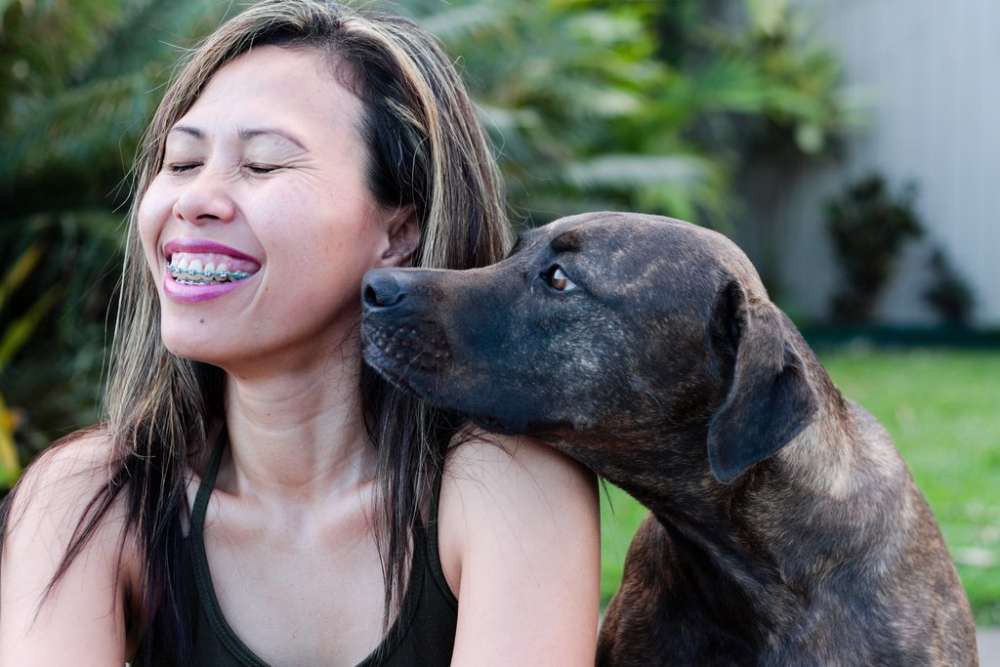
Sniffing as a Problem-Solving Tool
Dogs also use sniffing to investigate:
-
New environments
-
Strange objects
-
Changes in routine
When something smells “off,” dogs slow down and gather information before reacting. This is intelligence in action, not stubbornness.
When Sniffing Might Signal a Problem
While sniffing is normal, sudden changes can be worth noting.
Excessive or compulsive sniffing may be linked to:
-
Anxiety or chronic stress
-
Cognitive decline in older dogs
-
Lack of enrichment at home
On the other hand, a dog that suddenly stops sniffing altogether may be:
-
Ill
-
Depressed
-
In pain
-
Overwhelmed
Context always matters.
Supporting Healthy Sniffing Behavior
Instead of rushing dogs through walks, many trainers now recommend:
-
“Sniffari” walks where sniffing is encouraged
-
Scent games at home (hiding treats or toys)
-
Nose work activities that challenge the brain
These activities build confidence, reduce behavioral issues, and strengthen the bond between dogs and humans.
So… Instinct or Something More?
Sniffing starts as instinct, but it becomes something far richer.
It’s how dogs:
-
Understand their world
-
Communicate with others
-
Regulate emotions
-
Solve problems
-
Feel fulfilled
When a dog stops to sniff, it’s not wasting time. It’s doing what it was designed to do - reading the world in the language it knows best.
The next time your dog pauses mid-walk, nose pressed to the ground, remember: they aren’t just sniffing.
They’re listening.
Why do dogs sniff the pri.vate pa.rts?
When it comes to personal space, humans tend to draw clear, invisible lines. We’re taught to respect privacy, keep a polite distance, and avoid
anything that might feel intrusive. Dogs, however, live by a completely different rulebook. Those unspoken human boundaries simply don’t
exist in the canine world.
Yes, dogs are among the most loyal and affectionate companions we could ever have. Their devotion is unmatched. But they also come with
behaviors that can catch even devoted owners off guard - like their habit of putting their nose exactly where we wish they wouldn’t. What
feels awkward or embarrassing to us is, for a dog, perfectly normal social behavior.
Just as dogs instinctively greet one another by sniffing each other’s rear ends, they often extend the same curiosity to humans. That’s why
some dogs, without hesitation or shame, will press their nose straight into a person’s crotch. From our perspective, it’s an invasion of privacy.
From theirs, it’s simply a friendly and informative “hello.”
A Nose Built for a Different World
To understand this behavior, you have to understand the dog’s nose.
A dog’s sense of smell is one of the most powerful tools in the animal kingdom. Humans have around 6 million scent receptors. Dogs can
have up to 300 million. That means their sense of smell can be up to 10,000 times stronger than ours.
But it doesn’t stop there. Dogs also have an extra scent-detecting structure called the vomeronasal organ, often referred to as Jacobson’s
organ. Located just above the roof of the mouth, this organ allows dogs to detect pheromones - chemical signals that carry detailed
biological information. Through scent alone, dogs can gather clues about another being’s age, s.e.x, emotional state, health, and even
reproductive status.
Because scent is so important, a dog’s brain dedicates roughly 40 times more space to processing smells than a human brain does. This
extraordinary ability is what allows dogs to track missing people, detect drugs and explosives, sense drops in blood sugar, and assist people
with serious medical conditions. To a dog, smell is not just a sense - it’s their primary way of understanding the world.
So… Why the Crotch?
As uncomfortable as it may feel, dogs aren’t trying to embarrass anyone. They’re following instincts they can’t simply turn off.
Dogs are especially drawn to areas of the body that contain apocrine sweat glands. These glands release pheromones that provide rich
information about a person’s biology and emotional state. In dogs, these glands are concentrated around the genitals and anus, which is why
butt-sniffing functions as a canine version of a handshake.
Humans also have apocrine glands - mainly in the armpits and groin. Since armpits are often covered or harder to reach, the groin becomes
the most accessible “information hub” for a curious dog. For scent-driven breeds like Beagles, Bloodhounds, and Basset Hounds, resisting
this impulse can be especially difficult.
In short, when a dog sniffs your crotch, they’re not being rude. They’re gathering data.
What Dogs Can Detect Through Smell
Certain situations make human scent signals stronger, which can intensify a dog’s interest. Menstruation, pregnancy, childbirth, recent sexual
activity, stress, or hormonal changes can all alter the chemical signals we release. Dogs notice these changes immediately.
This heightened sensitivity also explains why dogs are fascinated by items like underwear—they’re saturated with scent information.
In his book How Dogs Think, psychologist Stanley Coren describes how Australian Shepherds were once trained to detect cows that had just
ovulated, helping farmers time breeding more accurately. While it hasn’t been scientifically proven that dogs can reliably detect ovulation in
humans, they clearly recognize shifts in body chemistry. This same ability is being explored in medical research, including early detection of
diseases such as ovarian cancer.
Can You Stop a Dog From Doing This?
If you’d prefer your dog to greet people in a less awkward way, training can help - but expectations should be realistic. It’s generally easier to
teach dogs what to do rather than what not to do.
Many trainers recommend redirection instead of punishment. One effective method is called fist targeting:
1. Present your closed fist to the dog.
2. When the dog touches it with their nose, immediately mark the behavior (“yes!” or a click) and reward with a treat.
3. Repeat until the behavior is consistent.
4. Add a command like “touch.”
Once your dog understands this cue, you can redirect them whenever they approach someone’s groin. Because the fist can be positioned
anywhere, it’s easy to interrupt the behavior before it happens. Guests can also offer their fist as a greeting, giving the dog a socially
acceptable target instead of becoming the focus of an awkward sniff.
Final Thoughts
What humans experience as an embarrassing invasion of personal space is, for dogs, an entirely natural way to communicate and connect.
Sniffing is how dogs learn who we are, how we feel, and what’s happening inside our bodies.
Understanding this behavior doesn’t mean you have to like it - but it can help you respond with patience rather than frustration. To a dog,
that curious nose isn’t being rude.
It’s just saying hello in the only language it truly knows.