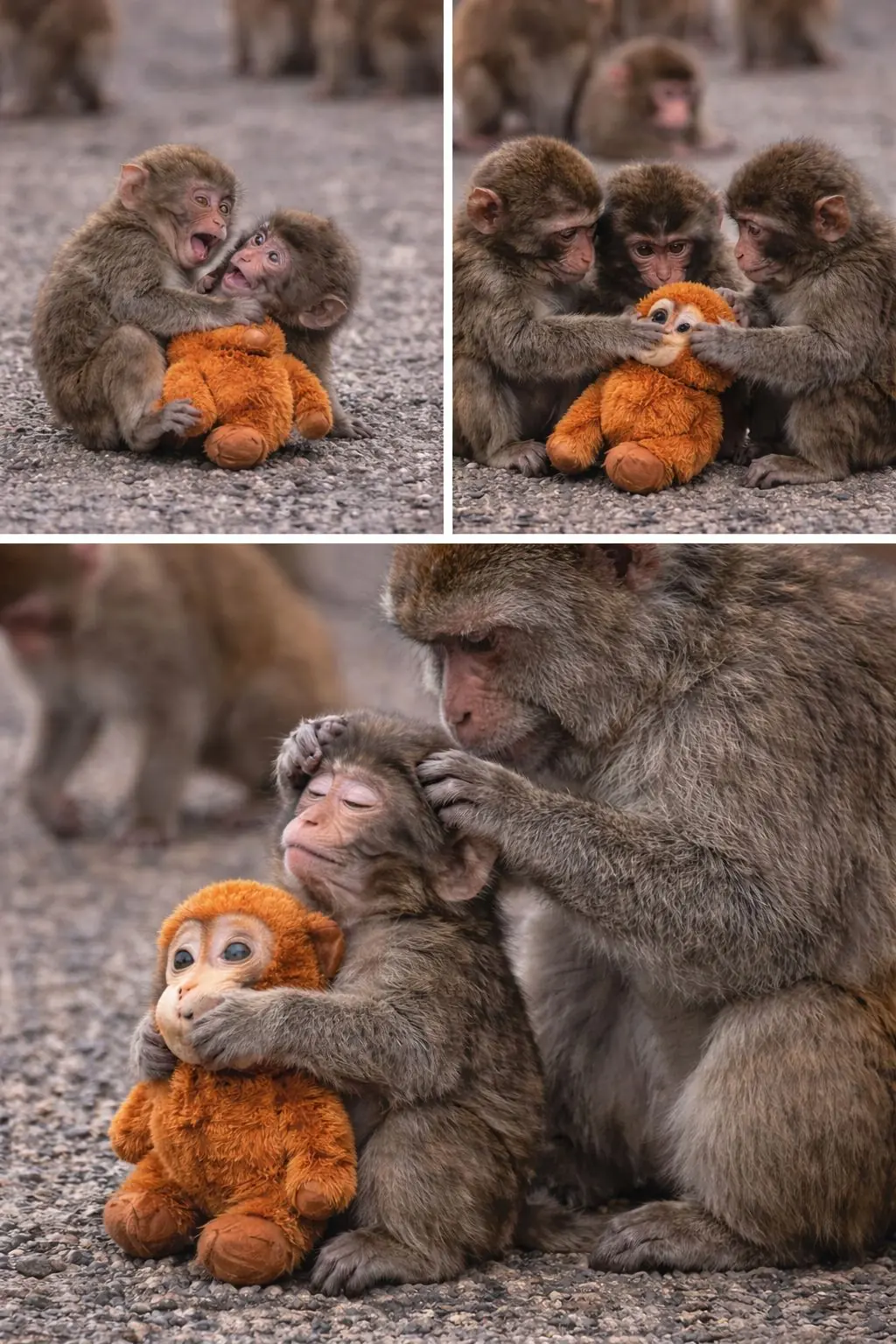
He used to sit alone. Now he’s moving closer. Small steps but huge progress for Punch
Not fully inside the circle yet. But no longer outside it either. That’s courage
News 28/02/2026 10:15
Most of us are familiar with the images of the deities, kings and queens of Egypt; but for every one of the famous scenes reproduced from those times, smaller, more obscure supernatural figures are far more numerous. Many of these entities fall into a category of supernatural beings known as demons or daemons. They also have an ongoing existence after the pharaonic culture, the end of Paganism, the rise of Christianity, the coming of Islam, and even into our own modern era.
There is a clear continuity for these entities through time. When it comes to the old Egypt, the study of these supernatural entities is still in its infancy. Swansea University hosts a Demon Things database, established in 2016, and for budgetary reasons has a restricted timeline of 2000-1000 BC - but already it has thousands of entries.

Egyptian scene with demons. (Author provided)
Historically, the existence of something recognizable as demonic is first recorded even before written records, in images from Ice Age rock art. These entities have human bodies but with an animal head, the so-called “goat demon” being one of the earliest. Perhaps because this could also be a human wearing an animal mask, we call them demons rather than monsters.
Monsters first make an appearance much later after the invention of writing, and are usually human-headed but with an animal’s body. For instance, the terrifying Pazuzu as seen in the first few frames of the horror movie The Exorcist.
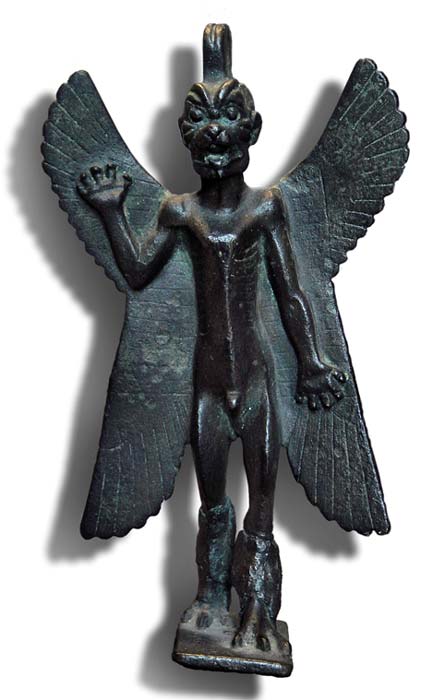
Bronze statuette of Pazuzu, circa 800 BC – 700 BC. (CC BY-SA 3.0)
My first exploration of the role of the demon in Egyptian magic was published in my book, Supernatural Assault in Ancient Egypt . Here demons are discussed alongside an Egyptian exorcism cult known as “Zar”. The meaning of Zar is uncertain but is likely from a north African language transplanted into Arabic as a loan word meaning “to visit” or “a visitation”.
The Zar cult is a folk magical tradition from the North African and Near Eastern world, principally Egypt and Sudan, but also Iran. It makes use of music and dance to “exorcise” intrusive spirits or Djinn. I first learnt of the cult from I. M. Lewis’s classic study of Ecstatic Religion a study of shamanism and spirit possession.
I was also much inspired by a chapter in Jan Fries ’ book on European trance technique known as Seidr, which he found analogous to the Zar tradition. In his book he reproduced an important foundation myth, as told to anthropologist Enno Littman’s in the 1950s. A female practitioner, known as Mama (Baba for male) told him that Zar was first performed in ancient Egypt to cure a King’s daughter of a mysterious ailment.
These days Zar rites are still very much practiced in Egypt, but tend to be seen as a women’s mystery. In fact, I’ve even been told that the tradition is only really accessible to women, but in as far as this is true, which it definitely isn’t in Iran or Sudan, it would be a modern development. In Egypt, the Zar tradition is entangled with “Belly”, more accurately Beladi dancing. Beladi means “village dancing” a style of dance originally practiced in Upper Egypt by men in combination with a martial arts tradition of stick fighting.

A Zar ritual. (Mehr News Agency/CC BY 4.0)
In the 1930s Hans Winkler met several spirit mediums in Egypt and was able to record their stories in a lively account as “Ghost Riders of Upper Egypt”. His principal informant was Abd al-Radi, a man regularly possessed by the ghost of his uncle, from which state he passed messages to those who came to seek his help.
Winkler combined this work with groundbreaking research on desert rock art, Sigils and “Characters” of Islamic sorcery, thus connecting the Islamic and pre-Islamic world of magical signs and symbols. As a Nazi, he soon returned to Germany and died in military service.
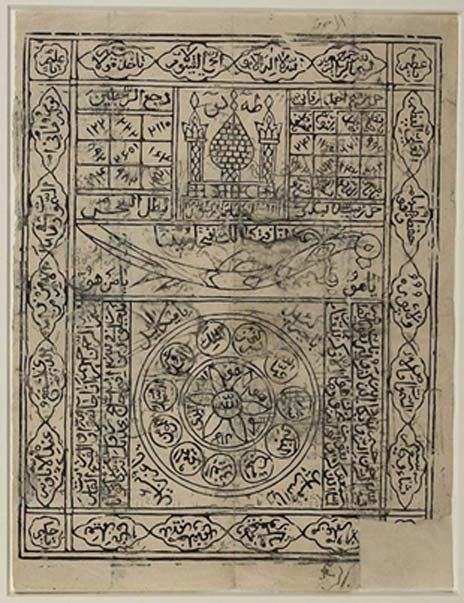
Islamic stamped amulet, 19th-century India. Executed on a very thin white paper, the amulet comprises a number of magic squares, Qur'anic verses, and divine or holy names all intended to bring good luck or provide protection to its owner. (Public Domain)
Over the last few years, several new studies have extended this work. Since the 1980s the academic study of magic has been revolutionized by practitioners and academics such as Robert Ritner. He unraveled the details of ancient Egyptian demonology and showed how it eventually emerged as the driving force of all Egyptian magic.
The god Seth or Set is often advanced as the archetype of the demonic entity and leader of the demonic horde. Seth’s “trickster nature” is well-known, but many of his “ambiguous qualities can be shared by other gods.” So, for example, in what is arguably the world’s oldest dramatic text, The Contendings of Horus & Seth, the otherwise good god Osiris threatens a demonic attack against the other gods in a celestial tribunal if they do not hurry and make a decision! The lioness goddess Sekhmet can also bring disease, being responsible for the annual epidemics of plague to strike Egypt in the dangerous interregnum between the old year and the new.
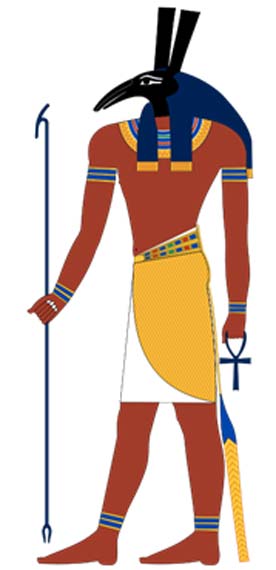
Set, an ancient Egyptian deity. (CC BY-SA 4.0)
Those who succumbed were struck down by one of her seven deadly arrows often personified as demonic emissaries. Demons such as Hatayw, Shamayw, and Akhw are common names in the Egyptian language. Hatayw is often translated as ‘Knife bearers’, ‘murderers’, ‘night spirits’. In the Late Egyptian language, the term is shortened first to Hawet, then Demotic Hayet, finally Coptic Shayet all meaning ‘inspiration’, ‘exorcism’, ‘doom’, ‘fate’, ‘fury’, or ‘curse’, depending on the context. Shamayw are ‘wandering demons’. Akhw variously as the ‘undead’, ‘transfigured dead’, ‘ghosts,’ rather like vampires. So perhaps Anne Rice’s fictional placement of the original vampire myth in ancient Egypt does have some basis in the mythology.
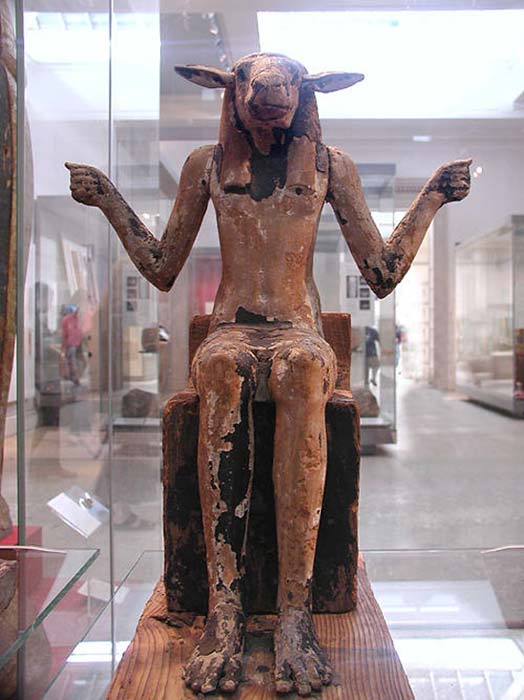
Ram-headed demon, hands outstretched probably to hold two snakes. From a royal tomb in the Valley of the Kings, Thebes, Egypt. End of the 18th Dynasty, around 1325 BC. (Jon Bodsworth/Public Domain)
In the final millennial of ancient Egyptian history these demons became protectors in personal names such as Pa-na-hatayw or Nas-na-hatayw (both meaning “he of the slaughtering demons”). In Ptolemaic Thebes there was a full-blown cult of the Hatayw (genies) that had its own dedicated prophet or Hem-neter. Later still one finds the cult of syncretic deity Tutu (twtw), originally an oases god who rose to national popularity in Egypt. Tutu’s name means “image” of the “collectivity” of disease-bringing demons!
Not fully inside the circle yet. But no longer outside it either. That’s courage

Heart-touching story of a lonely baby monkey in Japan spreads online

Eat Black Beans Every Day and This Is What Could Change
COPENHAGEN, DENMARK

When scholars study the great copper-producing powers of the Mediterranean Bronze Age, they often focus on Cyprus and the Levant.
On the summit of Papoura Mountain in central Crete, archaeologists are investigating a highly unusual circular structure.
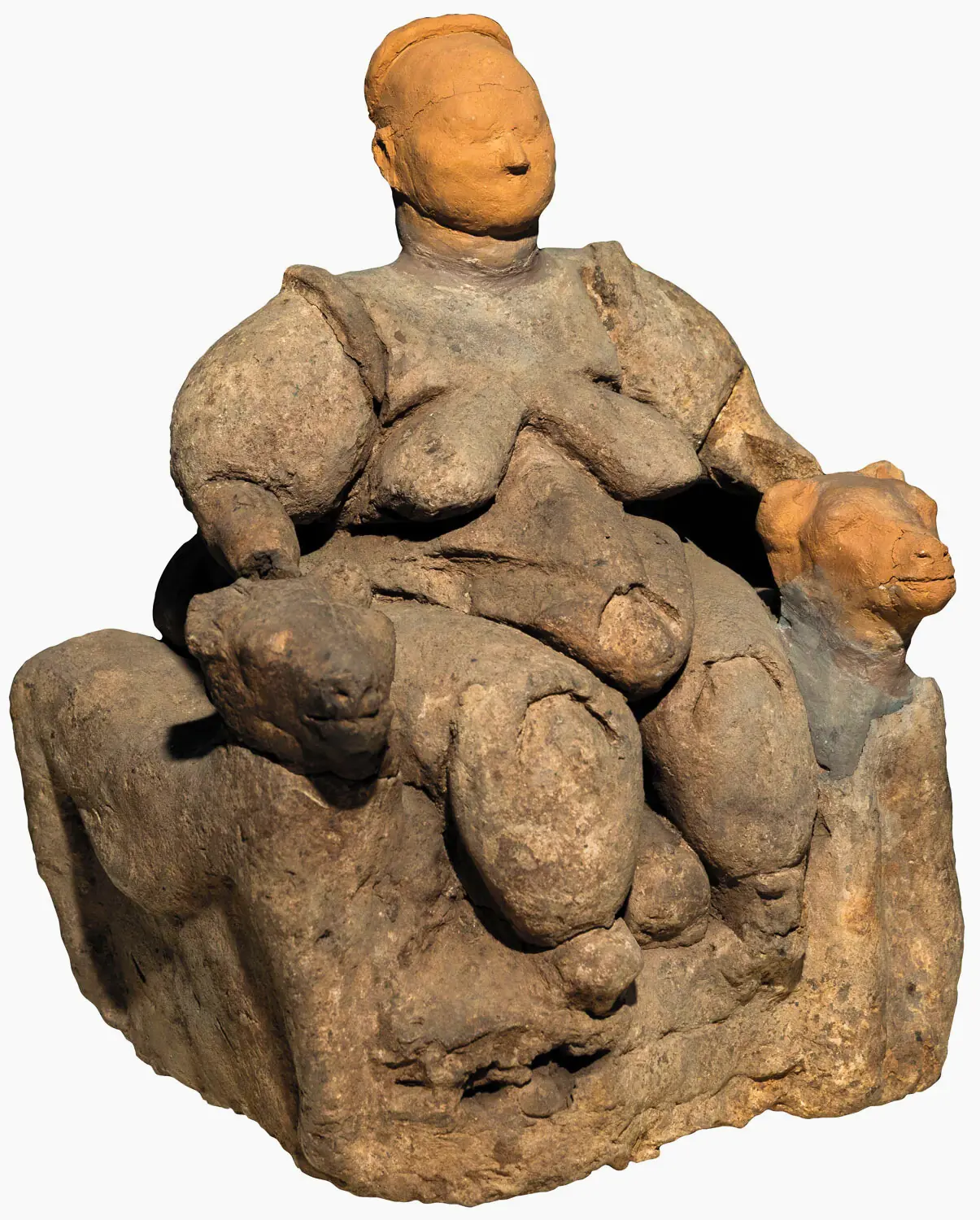
he large Neolithic farming community of Çatalhöyük in southern Anatolia has long tantalized archaeologists as a possible example of a matriarchal society.
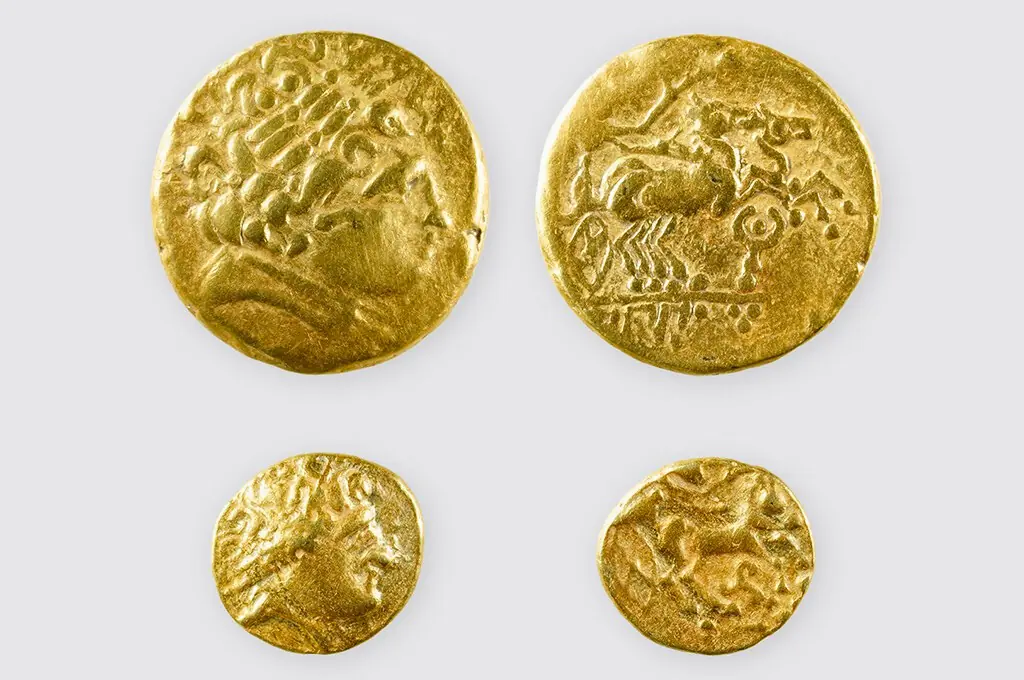
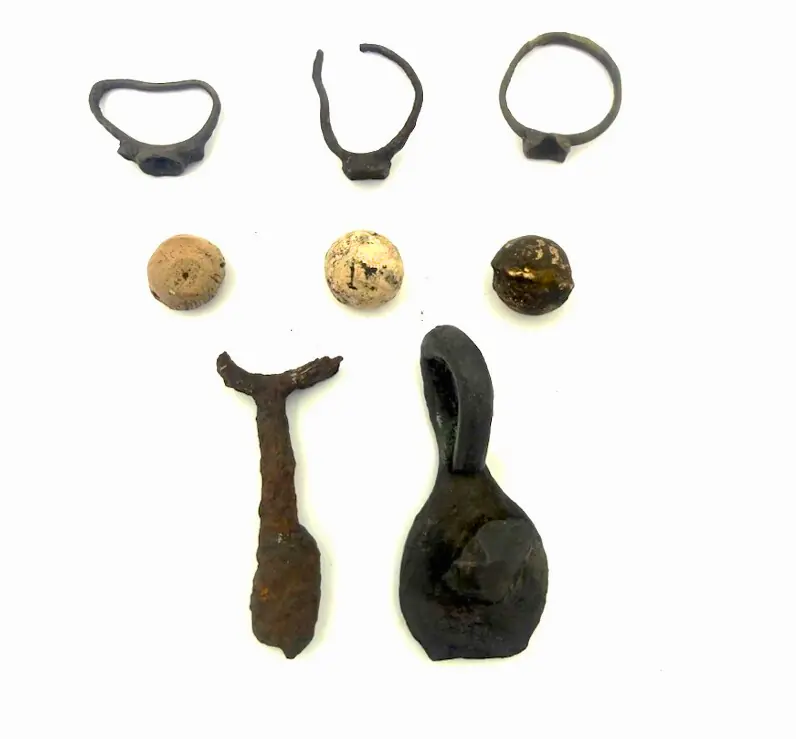
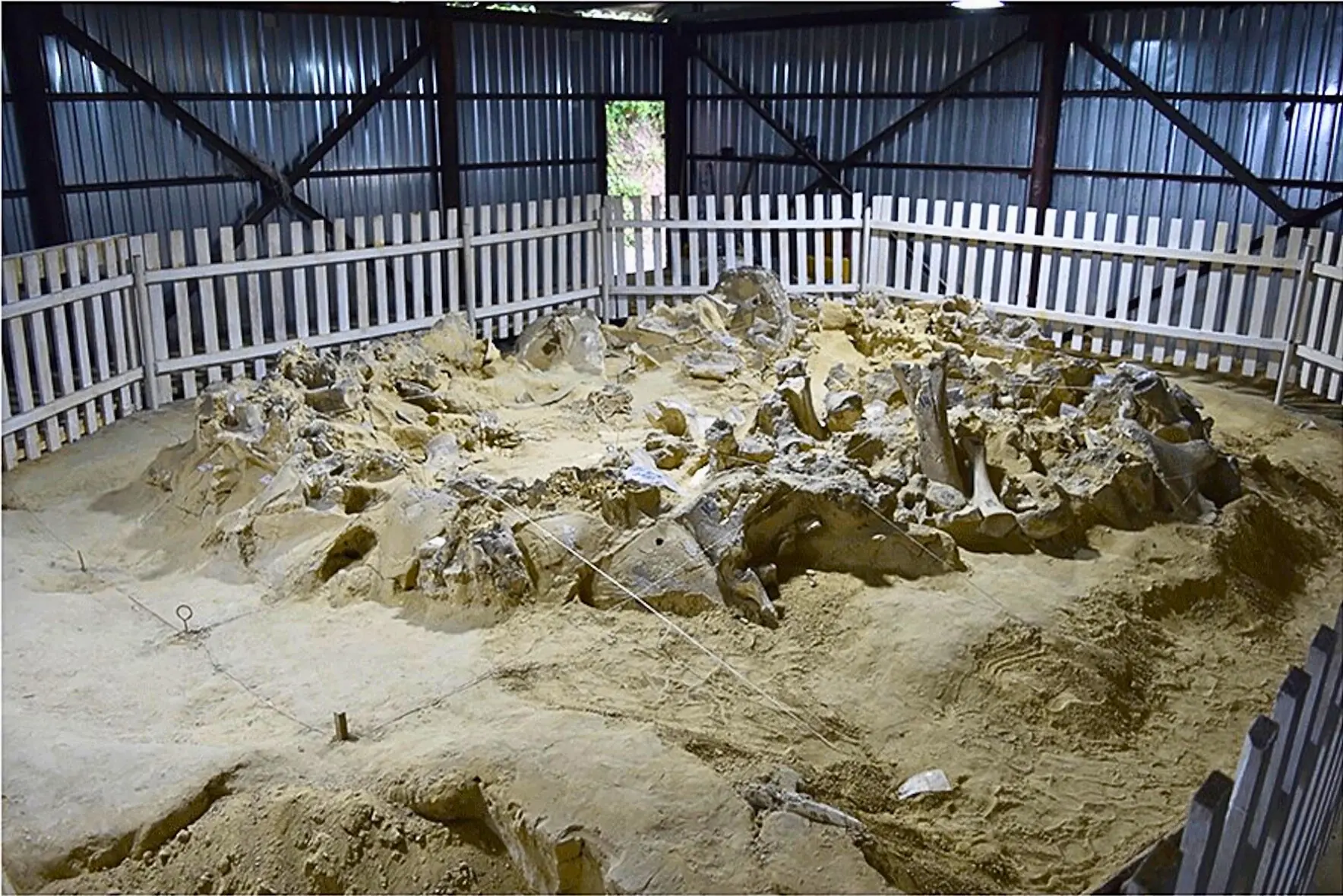
CHERKASY OBLAST, UKRAINE—SciNews reports that a new study of the bones of small animals recovered from Mezhyrich
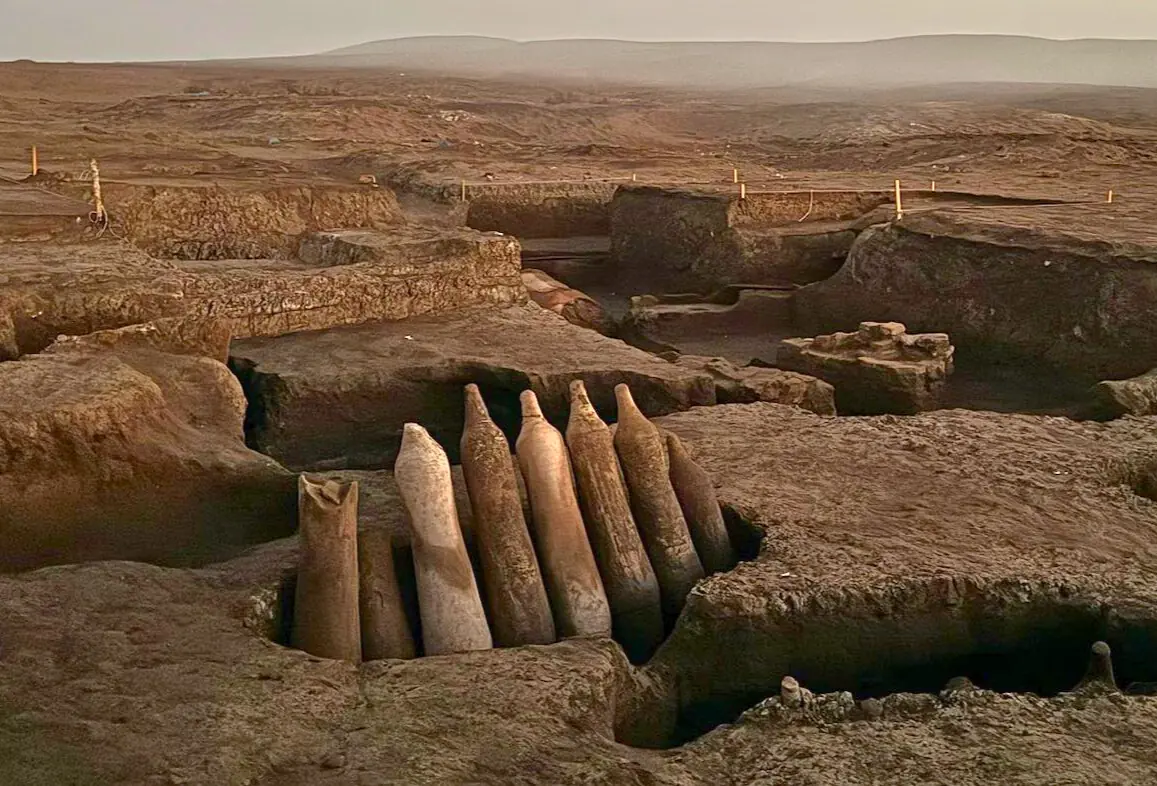
Metal and stone tools, faience amulets, and limestone statues are thought to have been made in the other rooms in the building.
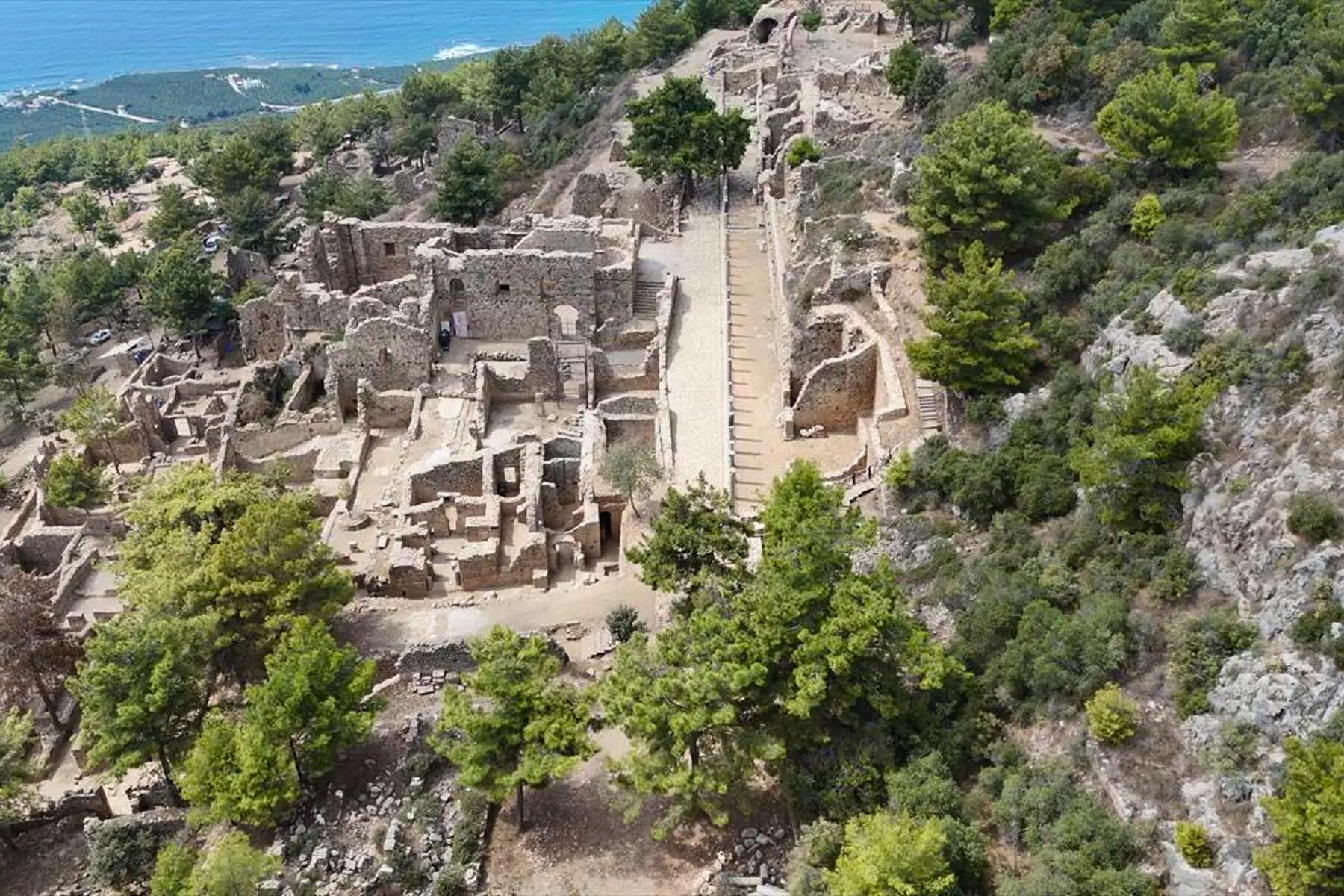
Researchers say the findings indicate Syedra was not only a regional producer but one of the Mediterranean’s key suppliers in antiquity, challenging earlier assumptions about the city’s economic role.
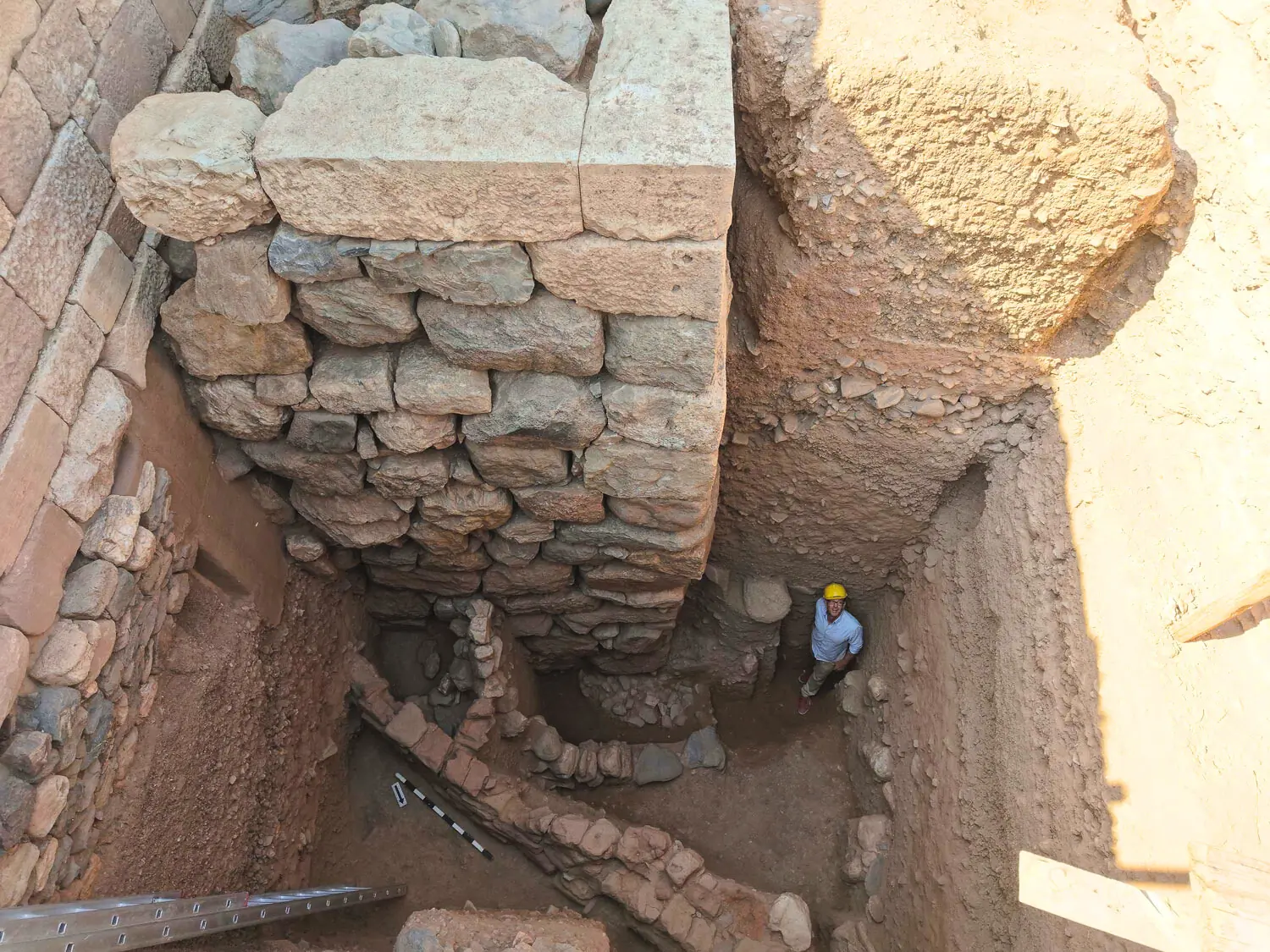
The Lydian palace was built on an artificial terrace in the capital city of Sardis.
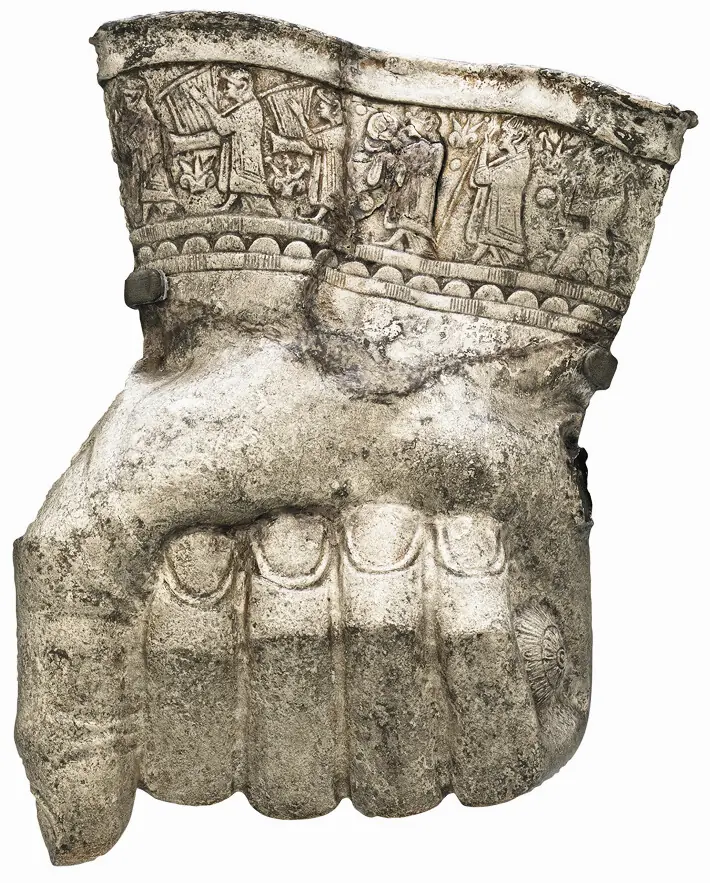
Statues of gods featured prominently throughout the ancient world, but many of those that are best known from literary evidence have never been found.
Top 10 Discoveries of 2025
The accepted image of the Vikings as fearsome marauders who struck terror in the hearts of their innocent victims has endured for more than 1,000 years.
Over the two-plus years Alice Stevenson has been curator of the Petrie Museum of Egyptian Archaeology in London, she has looked at the delicate cream-colored garment hundreds of times, wondering at both the fineness of its workmanship and its extraordina
As soon as you fit the words “Bible” and “history” into the same sentence, people start reacting.
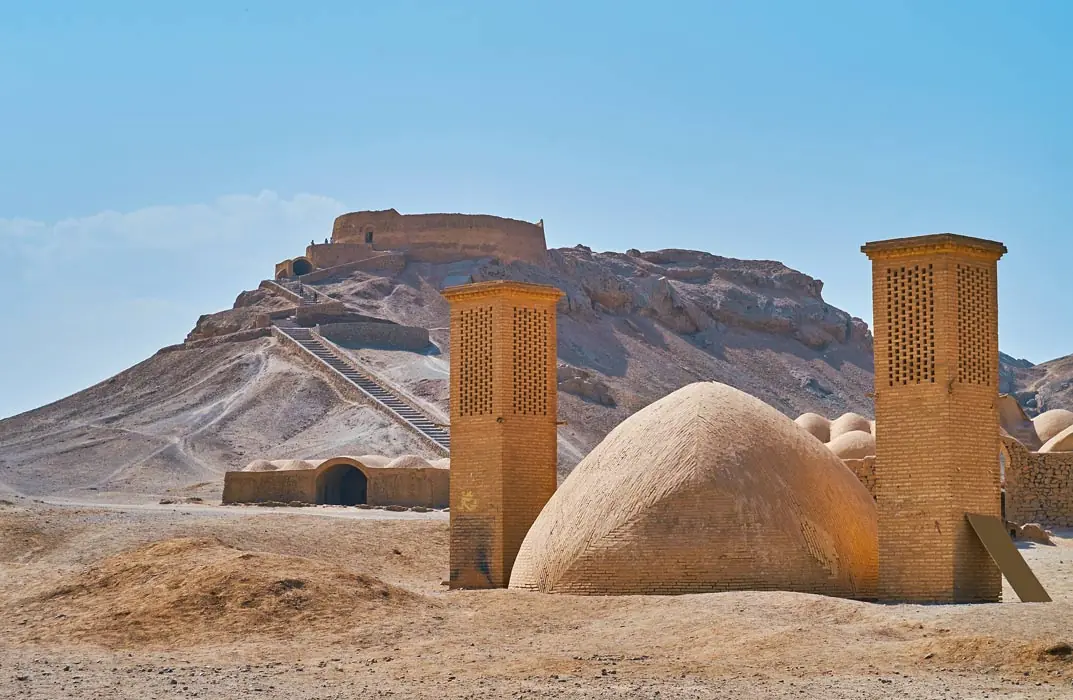
A tower of silence (known also as a ‘dakhma’) is a type of structure used for funerary purposes by adherents of the Zoroastrian faith.

Easy ways to cook flavorful rice and keep it fresh longer

Can Strawberries Help Lower Blood Pressure? Here’s the Science

Put a small amount of salt in the door gaps - something interesting may happen after 5 minutes
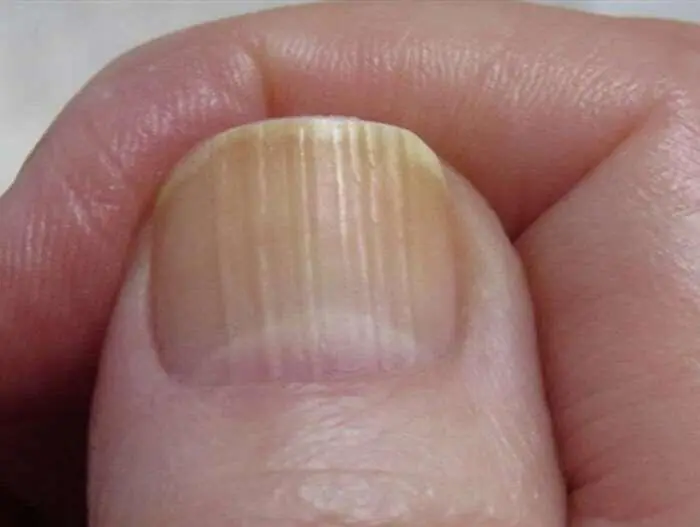
Notice lines on your nails? They might reveal important clues about your health

Can Salmon Help Lower Blood Pressure? Here’s What You Should Know

The truth about why hotel receptionists may refuse rooms late at night

The 5 Stages of Chronic Kidney Disease (CKD) and What They Mean

What contaminated pork can do to your health: hidden risks revealed

Don’t rush to discard bubble wrap - it can still be useful

3 morning health changes that could signal an undetected can.cer
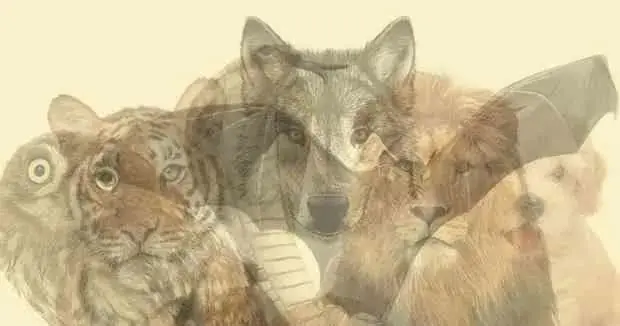
Which Animal Did You Notice First? What It May Say About Your Personality

Why dark chocolate is good for you: 7 proven benefits

A beginner’s guide to Pine Cone Syrup: Why it’s useful and how to make it at home

If You Notice a Rotten Fish Smell, Here’s What Your Body Might Be Telling You

Don’t Ignore These 3 Urine Changes — Your Kidneys Could Be at Risk

Why You’re More Gassy at Night (And What You Can Do)

Sleeping With… Could Affect You More Than You Think

Lung cancer is one of the leading causes of cancer-related deaths worldwide.

Are Bamboo Shoots Harmful in Large Amounts?

Itchy Ears? Beware of Juvenile Spring Eruption