Geckos are common visitors in many homes, especially in warm and humid regions. They’re harmless, they eat insects, and they usually avoid
humans - but that doesn’t mean most people want them running across walls at night or leaving droppings behind furniture.
If geckos keep appearing in your house, it’s not random. Your home is offering them exactly what they need: food, shelter, and easy access.
The good news is that you don’t need harsh chemicals or extreme measures to make them leave. By changing a few conditions, you can
gently but effectively convince geckos to move on and stay away.
Why Geckos Enter Homes in the First Place
Before getting rid of geckos, it helps to understand what attracts them.
Geckos are drawn indoors mainly because of:
-
Insects (their primary food source)
-
Warmth, especially at night
-
Dark hiding spots and high surfaces
-
Light sources that attract bugs
If these conditions remain, geckos will keep coming back no matter how many times you chase them out.
1. Reduce Insects - The Most Important Step
No insects means no geckos.
Geckos feed on mosquitoes, moths, flies, ants, and other small bugs. If your home has a steady insect population, geckos will see it as a
reliable hunting ground.
What helps:
-
Turn off unnecessary lights near windows at night
-
Use insect screens on windows and vents
-
Clean up food crumbs and spills promptly
-
Take trash out regularly
-
Seal pet food containers tightly
Once insects disappear, geckos usually leave on their own.
2. Seal Entry Points and Small Gaps
Geckos don’t need much space to get inside. Tiny gaps are enough.
Check and seal:
-
Cracks around doors and windows
-
Gaps near air conditioners or pipes
-
Broken window screens
-
Wall cracks and ceiling corners
Use silicone sealant, weather stripping, or mesh where needed. Blocking entry points prevents new geckos from coming in even if conditions
outside are favorable.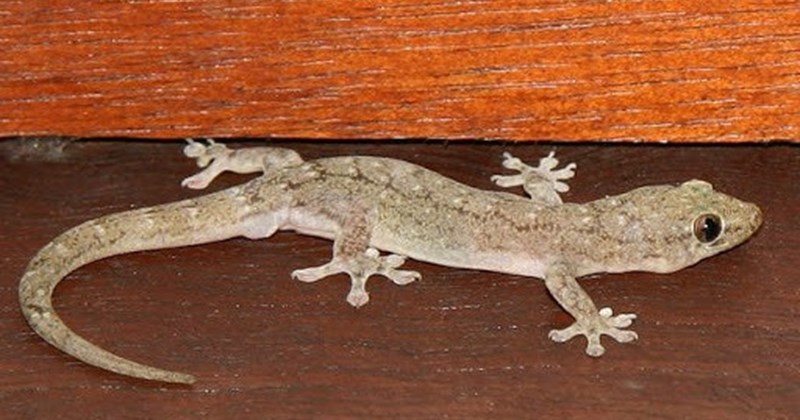
3. Keep Surfaces Clean and Dry
Geckos prefer quiet, undisturbed areas where they can cling easily.
Regular cleaning helps:
-
Wipe walls and corners where geckos are often seen
-
Clean behind furniture and appliances
-
Remove dust, grease, and insect residue
Dry environments are also less appealing. Use ventilation or dehumidifiers if humidity is high, especially in kitchens and bathrooms.
4. Use Natural Smells Geckos Dislike
Geckos have sensitive senses and avoid certain strong odors. These natural options can discourage them without harming them.
Common deterrents:
-
Garlic and onion (placed near entry points)
-
Pepper spray made with water and black pepper
-
Vinegar solution wiped on surfaces
-
Essential oils like peppermint or eucalyptus (diluted)
Apply these near walls, windows, corners, and areas where geckos frequently appear. Reapply regularly, as natural scents fade.
5. Remove Hiding Places
Geckos hide during the day and come out at night.
Reduce hiding spots by:
-
Decluttering storage areas
-
Moving items away from walls
-
Avoiding piles of cardboard or unused items
-
Keeping curtains, wall hangings, and shelves clean
A less cluttered space gives geckos fewer places to feel safe.
6. Adjust Outdoor Lighting
Bright outdoor lights attract insects and insects attract geckos.
Try this instead:
-
Use yellow or warm LED lights outdoors
-
Turn lights off when not needed
-
Place lights away from doors and windows
This simple change can drastically reduce insect activity near your home, cutting off the food chain that brings geckos inside.
7. Avoid Killing or Trapping Geckos Indoors
Geckos are harmless and play a role in controlling insects. Killing them isn’t necessary—and often doesn’t solve the problem.
If you see a gecko:
-
Open windows or doors to give it an exit
-
Dim the lights inside and turn on lights outside
-
Avoid chasing, which can make them hide longer
When conditions are no longer suitable, geckos naturally leave.
When to Expect Results
These methods don’t work overnight, but they are effective.
Most people notice:
-
Fewer geckos within a few days
-
Significant reduction within 1–2 weeks
-
Long-term prevention when habits are maintained
Consistency matters more than intensity.
Final Thoughts
Geckos don’t come into homes to cause trouble - they come to survive. If you remove what attracts them, they won’t stay.
By reducing insects, sealing entry points, keeping your home clean, and using natural deterrents, you can make your house an uninviting place
for geckos - without harming them or disrupting the environment.
A calm, balanced approach works best. And once geckos leave, they rarely come back unless the conditions change again.
Simple Spice-Based Tips to Repel Geckos Naturally
Geckos are highly sensitive to strong smells. Many common kitchen spices give off odors that geckos find overwhelming and unpleasant.
Using these spices won’t harm the animals, but it can strongly discourage them from staying in your home.
1. Black Pepper Spray
Black pepper is one of the most effective natural gecko repellents.
How to use:
-
Mix 1–2 teaspoons of ground black pepper with 1 cup of warm water
-
Let it sit for 10–15 minutes
-
Strain and pour into a spray bottle
-
Spray along walls, corners, windowsills, and entry points
The sharp scent irritates geckos’ senses and makes surfaces uncomfortable for them to stay on.
2. Garlic and Chili Paste
Garlic and chili both produce strong sulfur and capsaicin compounds that geckos avoid.
How to use:
-
Crush a few garlic cloves and mix with chili powder and water
-
Place the mixture in small open containers near gecko-prone areas
-
Or lightly rub the mixture near cracks and wall corners
This method works best in kitchens, balconies, and storage areas.
3. Dried Chili or Chili Powder
Geckos strongly dislike spicy odors.
How to use:
-
Sprinkle chili powder near door frames, window corners, and behind appliances
-
Place dried chili peppers in cloth sachets and hang them near walls
This creates a natural “no-go zone” for geckos.
4. Turmeric Powder Lines
Turmeric has a sharp, earthy smell that geckos find unpleasant.
How to use:
-
Sprinkle thin lines of turmeric powder along baseboards, corners, and entry points
-
Replace every few days to maintain effectiveness
This method is simple and works well in dry areas.
5. Onion Slices or Onion Water
Onions release a strong sulfur odor that geckos instinctively avoid.
How to use:
-
Place fresh onion slices near windows or behind furniture
-
Or soak chopped onion in water and spray lightly on walls
Replace onion slices daily to avoid attracting insects.
6. Clove and Cinnamon Mix
Cloves and cinnamon contain strong essential oils that repel many reptiles and insects.
How to use:
-
Mix ground cloves and cinnamon powder
-
Place in small bowls or cloth bags near problem areas
-
Alternatively, boil cloves and cinnamon in water, cool, and spray
This method also leaves a pleasant scent for humans.
7. Lemongrass and Ginger Combination
While not technically spices, ginger and lemongrass are common kitchen ingredients with powerful scents.
How to use:
-
Crush fresh ginger and lemongrass
-
Boil in water, let cool, strain, and spray
-
Apply to walls, windows, and gecko pathways
This solution works especially well in warm, humid homes.
Important Tips for Best Results
-
Reapply spice-based repellents every 2–3 days
-
Keep treated areas dry and clean
-
Combine these methods with insect control and sealing entry points
-
Avoid using spices on delicate surfaces that may stain
Spice-based repellents work by changing the smell profile of your home, making it uncomfortable for geckos without harming them. When
used consistently, these simple kitchen solutions can significantly reduce gecko activity and help keep them from returning.
Natural, humane, and effective - sometimes the best solutions are already in your spice rack.