At first glance, a safety pin looks like one of the simplest tools ever made. A piece of bent wire. A sharp point. A clasp to keep it closed. Most
people use it without ever giving its design a second thought.
But if you look closely at many safety pins, you’ll notice a small round hole or loop near the coiled end. It’s easy to assume it’s decorative or
leftover from manufacturing. In reality, that tiny feature has several important purposes, all tied to how the safety pin works safely and
reliably.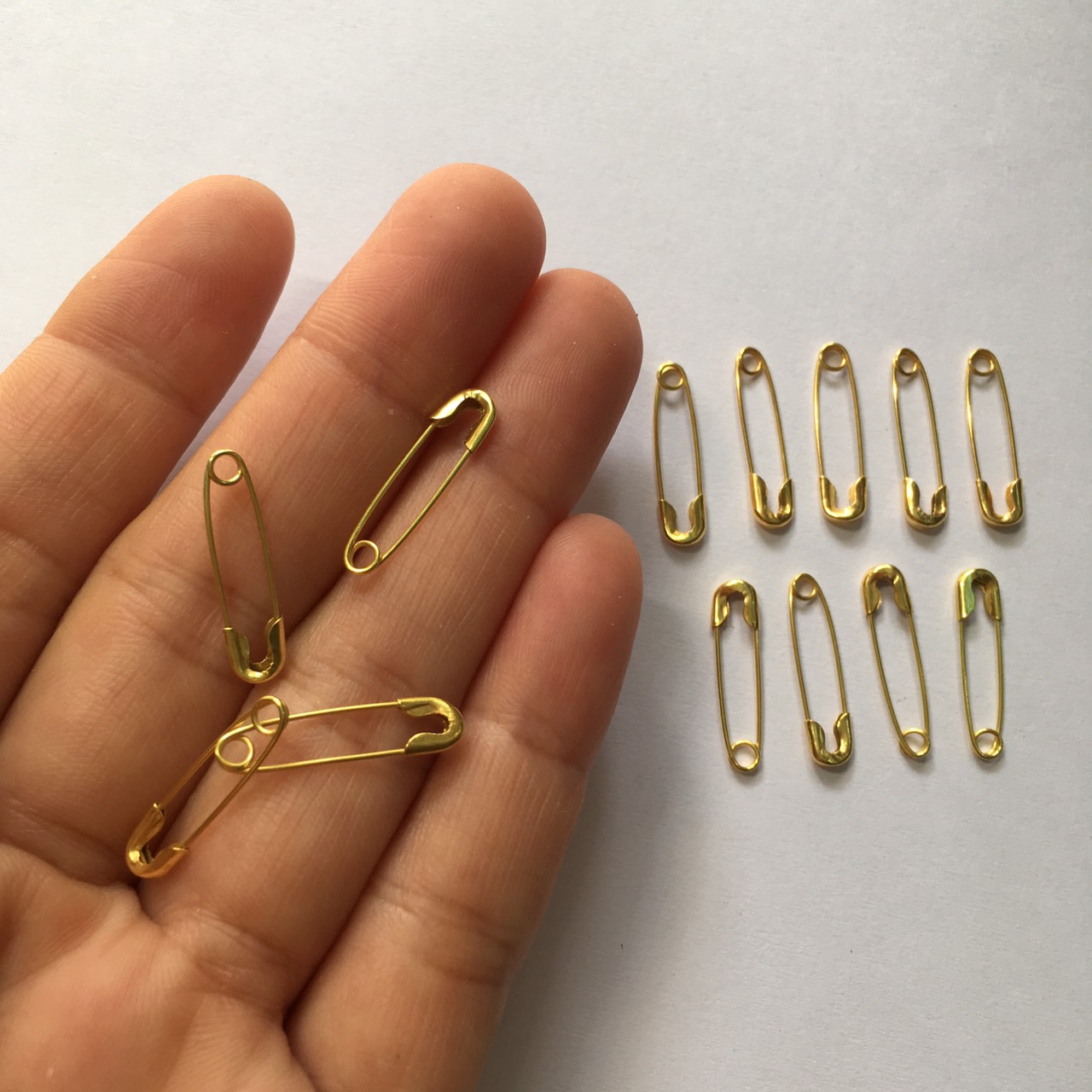
The Core Purpose: Anchoring the Spring Tension
The most important job of the round hole is mechanical.
A safety pin works because of spring tension. The wire is twisted into a coil that stores energy, forcing the sharp tip to press firmly into the
clasp. That pressure is what keeps the pin closed and prevents it from popping open accidentally.
The round hole (or loop):
-
Anchors the inner end of the spring
-
Keeps the tension evenly distributed
-
Prevents the wire from slipping or shifting
Without this anchor point, the pin would lose tension quickly and fail to stay securely closed.
Preventing Accidental Opening
That tiny hole plays a major role in safety - which is the whole point of a safety pin.
By stabilizing the spring:
-
The pin resists vibration and movement
-
The clasp stays aligned with the point
-
The sharp tip remains locked in place
This reduces the risk of the pin opening unexpectedly and poking skin, tearing fabric, or falling out.
Strength and Durability Over Time
Safety pins are often reused dozens or even hundreds of times. Each open-and-close cycle stresses the metal.
The round hole helps by:
-
Reducing metal fatigue
-
Distributing stress away from weak points
-
Allowing the pin to flex without deforming
Pins without proper spring anchoring tend to loosen, warp, or snap much faster.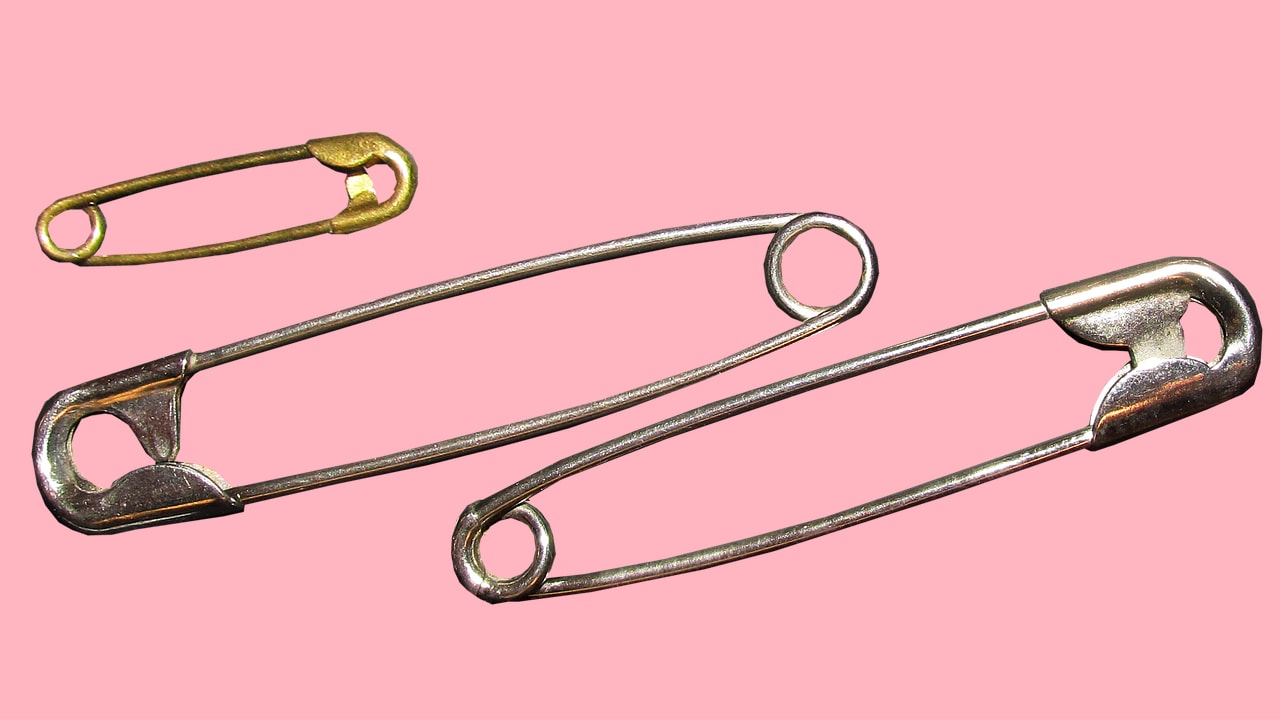
Manufacturing Precision and Consistency
From a manufacturing perspective, the round hole also makes safety pins easier to produce consistently.
It allows machines to:
-
Control coil tightness precisely
-
Maintain uniform tension across batches
-
Ensure predictable performance
That’s why even cheap safety pins usually work remarkably well - they rely on a design refined over more than a century.
Extra Uses Most People Don’t Notice
While not its main purpose, the round hole can also be used in practical ways:
-
Threading string or yarn through the hole to pull elastic through fabric
-
Attaching the pin temporarily to a hook, keyring, or chain
-
Hanging items during sewing or repairs
These uses weren’t the original intent, but they’re a bonus made possible by the design.
A Design That Has Barely Changed for a Reason
The modern safety pin design dates back to the 19th century, and it has barely changed since. That’s not because of tradition—it’s because
the design is already extremely efficient.
Every curve, coil, and tiny hole exists for a reason:
-
To store energy
-
To control motion
-
To protect users
-
To last through repeated use
The round hole may be small, but removing it would compromise the entire tool.
Final Thought
The next time you hold a safety pin, take a second look at that little round hole. It isn’t decoration. It isn’t accidental. It’s a carefully engineered
feature that makes the pin strong, reliable, and safe.
Sometimes the smartest design details are the ones we never notice - until they’re gone.