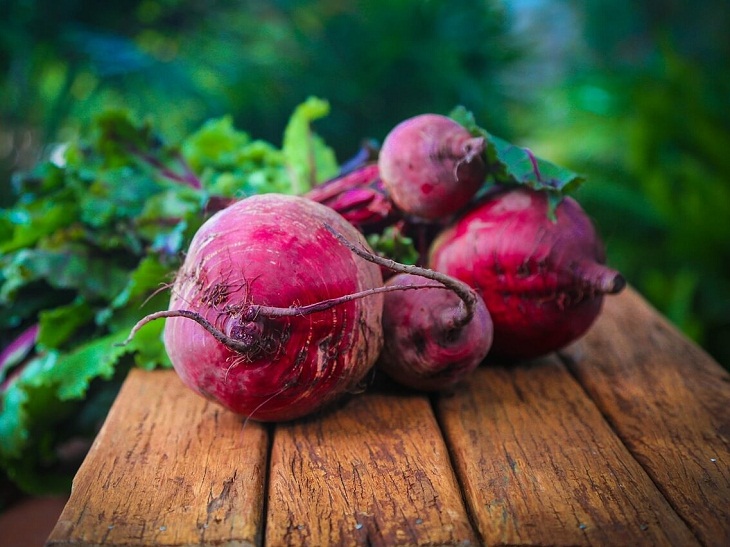
Beets may look simple, but doctors and nutrition experts often describe them as one of the most powerful vegetables you can add to your
diet. Whether eaten roasted, steamed, raw, or juiced, beets deliver a unique combination of nutrients that affect the body from head to toe.
What’s surprising is how quickly some of these effects can be felt - sometimes within hours of eating them.
So what actually happens inside your body when you eat beets regularly? According to medical and nutritional research, quite a lot.
A Nutritional Profile That Stands Out
Beets are low in calories but rich in essential nutrients. They contain fiber, folate, potassium, iron, vitamin C, and powerful plant compounds
called betalains, which give beets their deep red color.
Doctors value beets not because of one single nutrient, but because of how these nutrients work together to support circulation, metabolism,
and cellular health.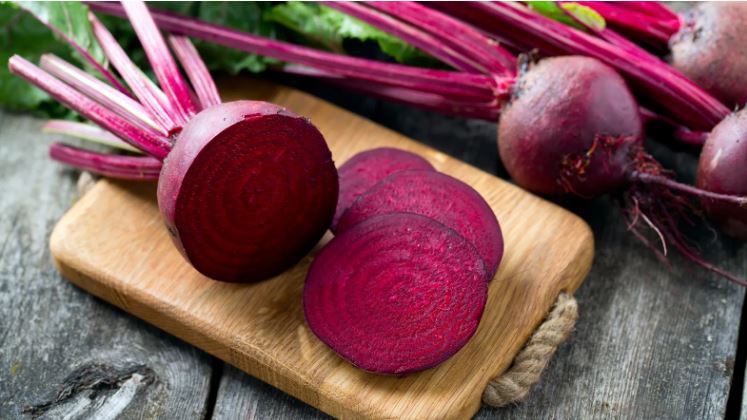
Improved Blood Flow and Lower Blood Pressure
One of the most well-documented benefits of beets is their effect on blood circulation.
Beets are high in dietary nitrates, which the body converts into nitric oxide. Nitric oxide relaxes and widens blood vessels, allowing blood to
flow more freely.
Doctors often note that after eating beets:
-
Blood pressure may drop slightly within a few hours
-
Blood vessels become more flexible
-
Oxygen delivery to muscles and organs improves
This is why beet juice is sometimes recommended for people with mild hypertension or those at risk of cardiovascular disease, alongside
medical treatment and lifestyle changes.
Better Heart Health Over Time
By improving circulation and reducing blood pressure strain, beets support long-term heart health.
Regular beet consumption has been linked to:
-
Reduced arterial stiffness
-
Lower levels of inflammation in blood vessels
-
Improved cholesterol balance when part of a healthy diet
Doctors emphasize that beets don’t replace medication, but they can be a valuable dietary ally for heart protection.
Enhanced Energy and Physical Performance
Many doctors and sports nutritionists recommend beets to people who feel easily fatigued.
Thanks to nitric oxide production, beets help:
-
Muscles use oxygen more efficiently
-
Delay the feeling of exhaustion
-
Improve endurance during walking, cycling, or workouts
This is why beet juice is popular among athletes and why even non-athletes may notice better stamina during daily activities.
Liver Support and Natural Detox Assistance
Beets are often associated with liver health, and for good reason.
Doctors explain that compounds in beets help:
-
Support liver enzymes involved in detoxification
-
Reduce oxidative stress in liver cells
-
Improve bile flow, which aids digestion
While the liver already detoxifies the body on its own, beets help it work more efficiently, especially when combined with a balanced diet.
Digestive Health and Gut Function
Beets contain both soluble and insoluble fiber, which benefits digestion.
What doctors observe:
-
Improved bowel regularity
-
Healthier gut bacteria balance
-
Reduced constipation and bloating over time
Fiber also plays a role in blood sugar regulation, helping prevent sharp spikes after meals.
Brain Health and Cognitive Support
Improved blood flow doesn’t just help the heart—it also benefits the brain.
Doctors note that increased nitric oxide from beets may:
-
Enhance blood flow to brain regions involved in decision-making
-
Support memory and mental clarity
-
Help slow age-related cognitive decline
This makes beets especially valuable for older adults.
Anti-Inflammatory and Antioxidant Effects
The betalains in beets act as strong antioxidants.
According to medical research, these compounds help:
-
Neutralize free radicals
-
Reduce chronic inflammation
-
Protect cells from damage linked to aging and disease
Lower inflammation is associated with reduced risk of heart disease, diabetes, and certain cancers.
What You Might Notice Right Away
Doctors often point out a few harmless but surprising effects:
-
Pink or red urine or stools (called beeturia)
-
Increased warmth or flushing due to improved circulation
These effects are normal and not dangerous.
Who Should Be Careful with Beets?
While beets are healthy for most people, doctors advise moderation for:
-
Individuals with kidney stones (beets are high in oxalates)
-
People with very low blood pressure
-
Those with sensitive digestion when eating large amounts
As always, balance matters.
The Bottom Line
Doctors agree that beets are far more than just a colorful vegetable. When eaten regularly and in moderation, they support circulation, heart
health, digestion, liver function, energy levels, and even brain health.
They don’t work as a miracle cure - but as part of a varied, balanced diet, beets quietly improve how the body functions from the inside out.
Sometimes, the most powerful health tools aren’t pills or supplements. They’re already sitting on your plate.