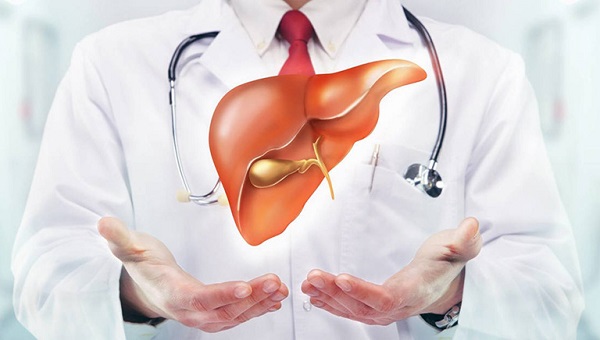
The liver is one of the hardest-working organs in the human body. It filters toxins, processes nutrients, regulates blood sugar, produces vital
proteins, and supports digestion. What makes liver disease especially dangerous is that serious damage can develop quietly, often with few
symptoms in the early stages.
When warning signs do appear, they may indicate that the liver is already under significant stress - or has entered an advanced stage of
dis.ease. Recognizing these signals early and seeking medical care immediately can be life-saving.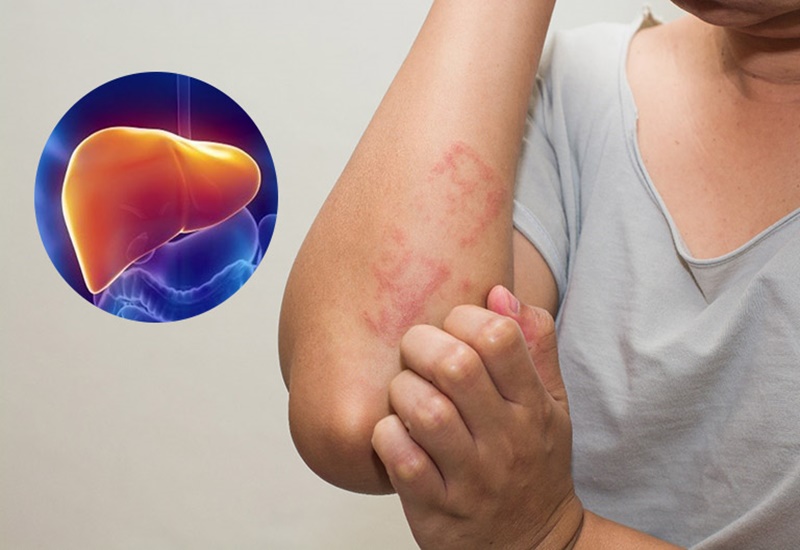
Below are five critical warning signs doctors urge people not to ignore.
1. Yellowing of the Skin or Eyes (Jaundice)
One of the most recognizable signs of severe liver dysfunction is jaundice.
When the liver is damaged, it struggles to process bilirubin, a yellow pigment produced when red blood cells break down. As bilirubin builds
up in the blood, it causes:
-
Yellowing of the whites of the eyes
-
Yellow or yellow-green skin tone
-
Darkening of urine
-
Pale or clay-colored stools
Jaundice often signals advanced liver inflammation, bile duct blockage, or liver failure and requires immediate medical evaluation.
2. Swelling of the Abdomen, Legs, or Ankles
Unexplained swelling - especially in the abdomen - is a serious red flag.
This swelling may be caused by:
-
Ascites (fluid buildup in the abdomen)
-
Reduced protein production by the liver
-
Increased pressure in the portal vein
Signs to watch for include:
-
A rapidly enlarging belly
-
Tight or shiny skin over the abdomen
-
Swollen feet, ankles, or legs that worsen during the day
Ascites is commonly associated with cirrhosis and indicates that liver function is significantly compromised.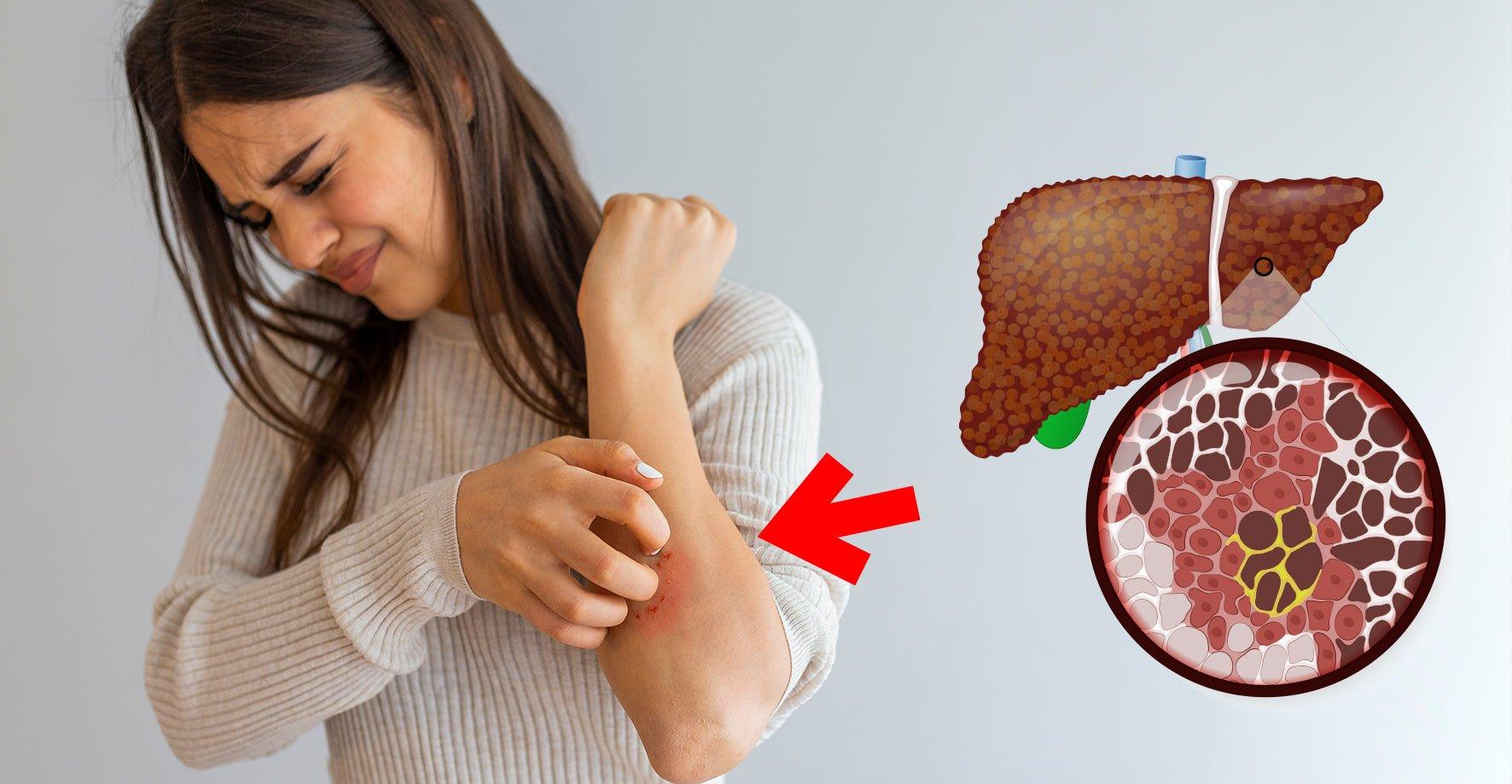
3. Persistent Fatigue, Weakness, or Confusion
Feeling tired occasionally is normal. But constant exhaustion, mental fog, or confusion may signal liver failure.
As liver function declines:
-
Toxins build up in the bloodstream
-
The brain becomes affected (a condition called hepatic encephalopathy)
Symptoms may include:
-
Extreme fatigue that doesn’t improve with rest
-
Difficulty concentrating
-
Memory problems
-
Mood changes or confusion
-
Drowsiness or disorientation
In severe cases, this can progress to personality changes or loss of consciousness.
4. Severe or Persistent Pain in the Upper Right Abdomen
The liver is located under the rib cage on the upper right side of the abdomen. Pain in this area should never be ignored.
Concerning features include:
-
Constant dull ache or sharp pain
-
Pain radiating to the back or right shoulder
-
Tenderness when pressing the area
-
Pain accompanied by fever, nausea, or vomiting
While mild discomfort can occur with liver inflammation, persistent or worsening pain may indicate serious liver injury, infection, or tumor
growth.
5. Easy Bruising, Bleeding, or Frequent Nosebleeds
The liver produces proteins essential for blood clotting. When it fails, the blood may not clot properly.
Warning signs include:
-
Bruising easily from minor contact
-
Bleeding gums
-
Frequent nosebleeds
-
Prolonged bleeding from small cuts
-
Vomiting blood or black, tarry stools (medical emergency)
These symptoms suggest advanced liver dysfunction and a significantly increased risk of internal bleeding.
Why These Signs Are So Dangerous
Advanced liver disease can progress rapidly to:
-
Liver failure
-
Severe infections
-
Internal bleeding
-
Kidney failure
-
Life-threatening complications
Because the liver can compensate for damage for a long time, symptoms often appear late, when intervention becomes more urgent.
Who Is at Higher Risk?
You should be especially vigilant if you:
-
Consume alcohol regularly or heavily
-
Have hepatitis B or C
-
Have fatty liver disease or diabetes
-
Are overweight or have metabolic syndrome
-
Take long-term medications affecting the liver
-
Have a family history of liver disease
When to Seek Medical Help
Do not wait if you notice even one of the signs above—especially jaundice, abdominal swelling, confusion, or bleeding.
Doctors may perform:
-
Blood tests (liver enzymes, clotting factors)
-
Imaging (ultrasound, CT, MRI)
-
Liver biopsy if needed
Early treatment can slow or stop progression and, in some cases, reverse damage.
Final Thought
Your liver is resilient - but not invincible. When it sends distress signals, it’s asking for help. Ignoring them can allow irreversible damage to
take hold.
If something feels wrong, trust your instincts and seek medical care promptly. Early action can make the difference between manageable
disease and a medical emergency.
This article is for educational purposes only and does not replace professional medical advice. Always consult a qualified healthcare provider if
you experience concerning symptoms.