
The convenience is temporary — the problems are permanent
The convenience is temporary — the problems are permanent
Facts 03/03/2026 23:54

The Netherlands is a small country. With a population of just over 17 million and a modest footprint on the world map, it rarely dominates headlines about global technological power. Yet behind the scenes, this quiet European nation controls one of the most critical choke points in the modern digital economy—one so powerful that it can slow down, or even halt, the global semiconductor industry.
At the center of this influence is a single company: ASML.
While names like Intel, Nvidia, TSMC, and Samsung are widely recognized as giants of the chip world, none of them can manufacture the most advanced semiconductors without machines built almost exclusively in the Netherlands. These machines are not ordinary manufacturing tools. They are among the most complex pieces of technology ever created by humans.
ASML is the world’s only producer of extreme ultraviolet (EUV) lithography machines, a technology essential for manufacturing cutting-edge chips at 5 nanometers, 3 nanometers, and below. Without EUV, the processors powering artificial intelligence, advanced smartphones, high-performance servers, and military systems simply cannot exist.
Each EUV machine costs more than $150 million, weighs over 180 tons, contains more than 100,000 components, and takes months to assemble. It uses light generated by vaporized tin droplets at temperatures hotter than the surface of the sun, guided by mirrors polished with atomic-level precision. Even a nanometer of error would make the machine unusable.
No other company—neither in the United States, China, Japan, nor South Korea—has managed to replicate this technology.
This gives the Netherlands an outsized influence over the future of computing.
In recent years, ASML has moved from a technical supplier to a strategic asset. As global competition over semiconductor dominance intensifies, governments have realized that controlling chip manufacturing equipment is just as important as producing the chips themselves.
The Dutch government, under pressure from allies, has restricted exports of advanced lithography machines to certain countries. The impact is profound: without access to ASML’s most advanced systems, entire national semiconductor ambitions can be delayed by years.
This has transformed the Netherlands into an unexpected gatekeeper of technological progress.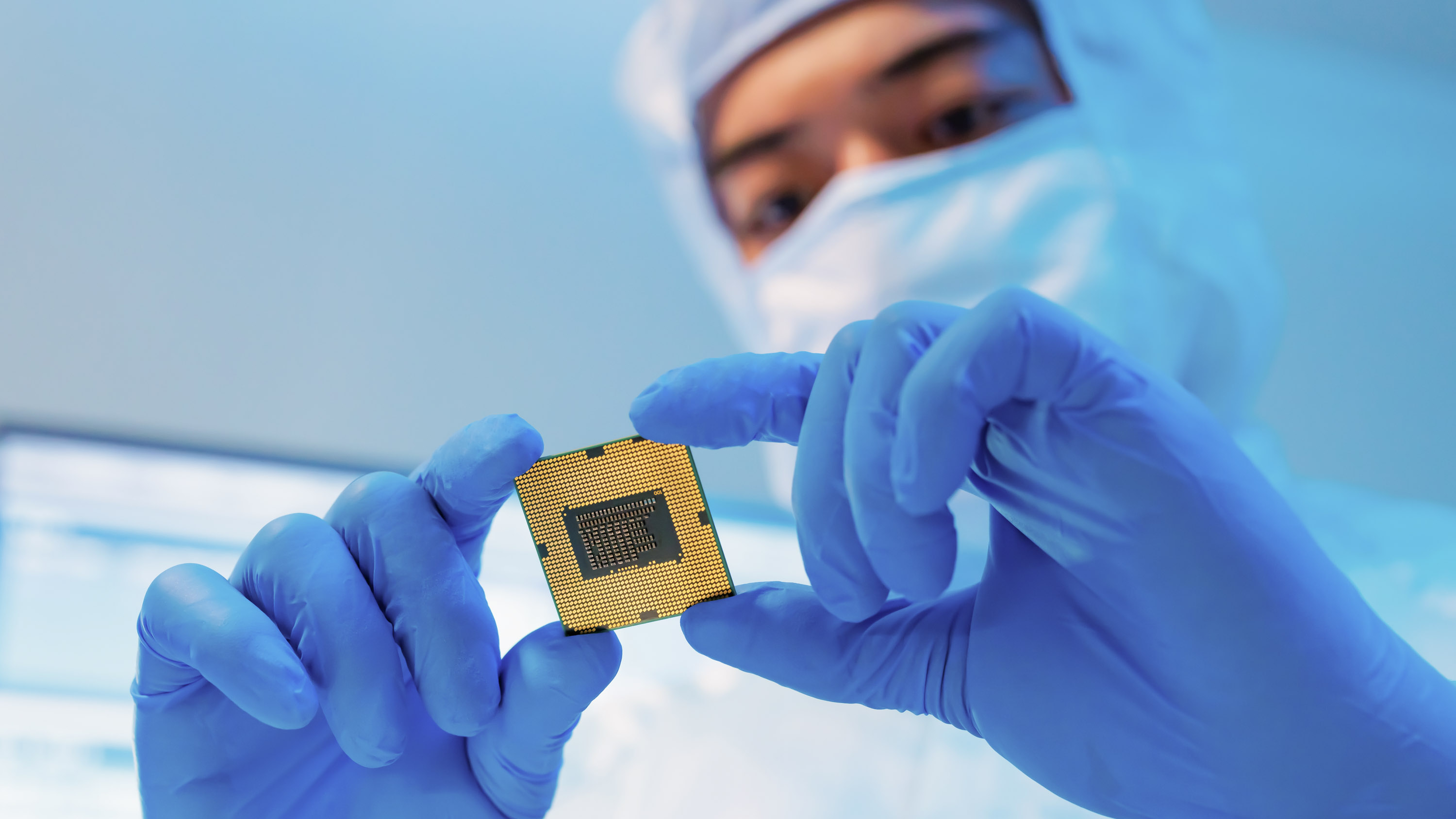
Unlike loud trade wars or public sanctions, this leverage operates quietly. No dramatic announcements are needed. A delayed export license or a restricted shipment is enough to reshape supply chains worth trillions of dollars.
The global reliance on ASML did not happen overnight. It is the result of decades of specialization, collaboration, and risk-taking. ASML invested early in EUV technology when many competitors considered it too complex, too expensive, or outright impossible.
The company built a vast ecosystem of suppliers across Europe, the United States, and Japan—but crucially, it remained the only firm capable of integrating all these components into a working system. Over time, the barriers to entry became insurmountable.
Today, even the most powerful tech nations acknowledge a reality they cannot easily change: there is no backup plan for ASML.
If its production were disrupted, advanced chip manufacturing worldwide would stall within months.
This concentration of technological power raises uncomfortable questions. Is it wise for the entire digital world to depend on a single company in a single country? What happens if geopolitical tensions escalate, or if supply chains are disrupted?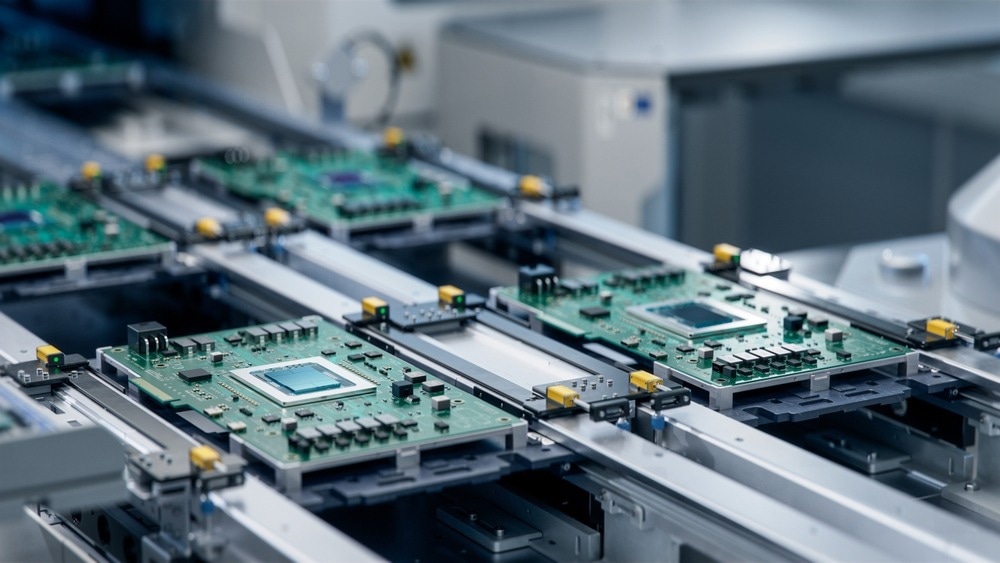
For now, the world has little choice but to adapt.
Major chipmakers are aligning their strategies around ASML’s roadmap. Governments are factoring Dutch export policies into national security planning. Even discussions about artificial intelligence leadership now implicitly include the Netherlands—despite its absence from traditional superpower narratives.
The story of the Netherlands and ASML challenges long-held assumptions about technological dominance. Size, population, and military power are no longer the only determinants of influence. In the semiconductor era, control over key bottleneck technologies can outweigh all of them.
Without fanfare, without flashy consumer products, and without aggressive political rhetoric, the Netherlands has become indispensable to the global tech economy.
In a world obsessed with scale, the Dutch example delivers a sobering lesson: sometimes, the smallest players hold the biggest switches.
And when it comes to the future of chips—and the digital systems that run the modern world—that switch is firmly in Dutch hands.
The convenience is temporary — the problems are permanent

What’s the ideal schedule for changing your underwear?
This common electric kettle habit may be driving up your power costs

Do You Nap During the Day? Here’s What You Should Know

10 Habits Often Seen as Rude That May Reflect Intelligence

Understanding Moles on the Lip: Possible Causes and Concerns

Once Ignored, Now Celebrated: The Wild-Growing Vegetable Being Called a “Miracle Herb” for Health

Cats are curious, independent creatures—and while that’s part of their charm, it can also be the source of stress when one suddenly disappears.

When a lizard visits your house that’s a sign...

She Was Just Peeling a Boiled Egg… Until She Saw What Was Hidden Inside

When Your Parent Shows These 4 Signs, Emotional Preparation Matters

Here’s What That Little Pocket in Women’s Underwear Is Actually For

Regardless of How Much You Earn, Get Rid of These 4 Things Without Delay

That tiny pocket on your jeans has a surprising history you probably never knew.

Keep these 3 mindsets, and success will follow

Not all garlic is safe to buy—learn which cloves you should avoid at the market today.

She Di:ed From a Stroke and Came Back: What She Saw Will Sho:ck You

The meaning of a ring worn on the right hand is not widely known

Most people THROW IT AWAY — but this tiny metal ring on sausages is actually saving your health!

Do you know why there’s a small scar on the upper left arm and what it means?

Sleeping With… Could Affect You More Than You Think

Lung cancer is one of the leading causes of cancer-related deaths worldwide.

Are Bamboo Shoots Harmful in Large Amounts?

Itchy Ears? Beware of Juvenile Spring Eruption

Simple ways to recognize venomous snakes and protect yourself in the wild

Serious Health Clues Hidden in Your Nasal Symptoms

10 powerful health benefits of Dog Rose (Rosa canina) and the best ways to use it

Don’t ignore this unusual sign in your body - it may indicate late-stage nasopharyngeal can.cer

Is tilapia really good for you? Some facts might make you think twice

White Coating on Your Tongue? Here’s What Your Body Might Be Telling You

3 overlooked spousal habits that may put wives at greater risk for cer.vical can.cer - awareness matters

The 3-Hour Rule Before Bed: A Simple Habit for Better Blood Pressure and Blood Sugar

These 5 strange signs could be warning signals of dia.betes - don’t ignore them

Why People in Japan Sleep on the Floor and 5 Reasons to Give It a Try

7 Important Signs Your Body Is Crying Out for Help

Taro: The Underrated Superfood That Could Transform Your Energy, Digestion, and Overall Wellness

At just 20 years old, Linh Nguyen (name changed), a young and passionate teacher at a local elementary school, passed away from liver cancer — a disease typically associated with older individuals or those with long-term health issues.

Cancer is one of the leading causes of death worldwide, but the good news is that certain foods contain powerful compounds that may help prevent and even fight cancer.

Magnesium is an essential mineral in the human body, playing a critical role in over 300 enzymatic processes.

Three Morning Habits Young People Often Ignore That Can Seriously Dam:age Their Kidneys — Quit These Now