A soft illustration shows a couple resting closely in bed, calm and affectionate. Beneath it, a provocative question flashes like a headline: At what age do women desire men the most? The answer surprises everyone. It’s the kind of topic that spreads fast because it promises a simple number for something deeply personal.
But the real answer is “surprising” for a different reason: there isn’t one universal age when women’s desire peaks. Libido isn’t a single switch that flips at 25, 35, or 45. It’s a moving target shaped by biology, psychology, relationships, and the realities of daily life. Two women the same age can have completely different levels of desire—and both can be normal.
So why do people keep asking for a “peak age”? Because it’s easier to believe in a simple timeline than to accept that desire is dynamic.
Desire changes across life—but not in a straight line
Many women notice that desire shifts during major life stages: early adulthood, pregnancy and postpartum, the high-stress years of building a career or raising children, and perimenopause/menopause. These changes can be influenced by hormones, yes—but also by factors that have nothing to do with hormones.
Libido is often strongest when these conditions line up:
-
you feel safe and emotionally connected
-
you have enough sleep and energy
-
your stress level is manageable
-
you feel confident in your body
-
you’re not in pain
-
you have time and privacy
-
you feel respected and desired
Those conditions don’t arrive at the same age for everyone. For one woman, it might be her late 20s when health is strong and responsibilities are lighter. For another, it may be her 30s or 40s, when confidence rises and she understands her preferences better. For someone else, desire may dip for years and return later—especially after treating a medical issue, leaving a draining relationship, or reducing chronic stress.
What biology can influence (and what it can’t)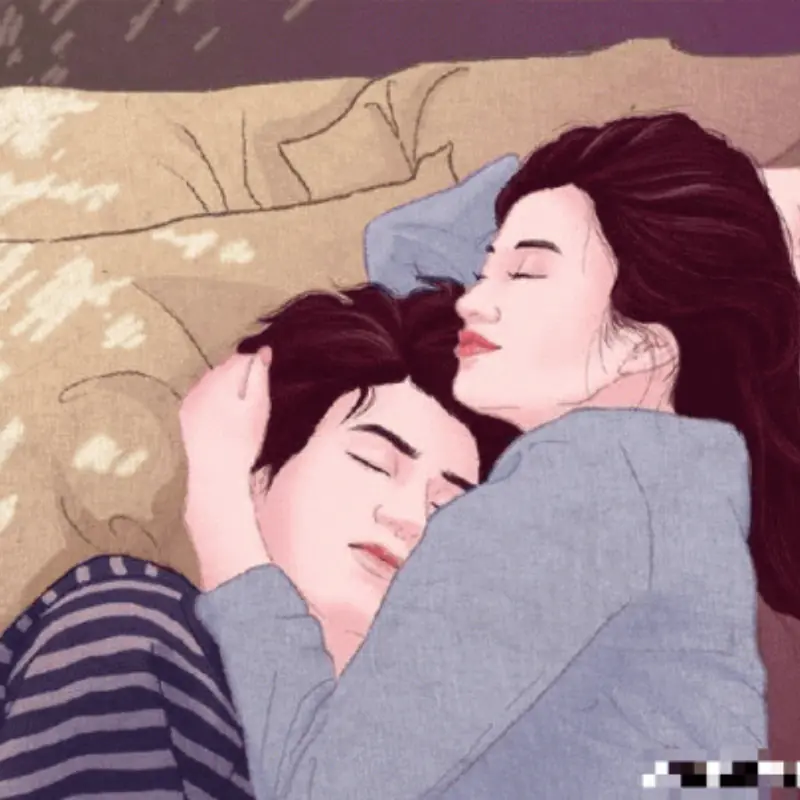
Hormones do play a role. Estrogen, progesterone, and testosterone all influence sexual functioning, mood, energy, and comfort during intimacy. Around ovulation, some women report increased interest, which may be linked to fertility-related biological changes.
But hormones are not the whole story. A woman can have “normal” hormone levels and low desire due to exhaustion, depression, relationship conflict, or chronic pain. And a woman can have hormonal shifts and still feel highly interested in sex if the emotional and physical environment supports it.
The biggest “desire killers” aren’t age—they’re modern life
If you want to understand libido, look beyond birthdays and ask about bandwidth.
Stress and mental load: Constant planning, caregiving, deadlines, and financial worry can suppress desire. When the brain stays in problem-solving mode, it’s harder to switch into pleasure mode.
Sleep deprivation: Sleep affects mood, hormones, energy, and patience—everything desire needs. Many women don’t feel a decline “with age” so much as a decline with years of chronic fatigue.
Body comfort and pain: Vaginal dryness, pelvic pain, endometriosis, fibroids, and recurrent infections can make intimacy uncomfortable. If sex hurts, desire often drops—regardless of age.
Medications and health conditions: Antidepressants, some birth control methods, and other medications can affect libido in some people. Thyroid issues, anemia, diabetes, and postpartum changes can also play a role.
Relationship dynamics: Desire thrives with emotional safety, fairness, and communication. Resentment, feeling unseen, unequal household labor, or lack of affection can shut it down quickly.
The “surprising” truth many people miss
The most useful answer to the viral question is this:
Women often experience their strongest desire when they feel most supported—physically, emotionally, and mentally—not at a specific age.
In other words, desire peaks when the conditions are right. That can happen in your 20s, 30s, 40s, 50s, or beyond.
How to support desire at any age
If you want a practical takeaway (instead of a clickbait number), these strategies matter more than the calendar:
-
Protect sleep and reduce stress where possible. Even small changes—consistent bedtime, fewer late-night screens, short walks—can help.
-
Address pain and dryness early. Don’t normalize discomfort. Many treatments exist, from lubricants to medical evaluation for underlying conditions.
-
Talk about the mental load. When one partner carries everything, intimacy becomes another task.
-
Build non-sexual closeness. Affection, flirting, and kindness outside the bedroom often predict desire inside it.
-
Check medications and health markers. If libido changes suddenly or dramatically, discuss it with a clinician—especially if you have fatigue, mood changes, or pain.
-
Stop comparing your timeline to anyone else’s. “Normal” is wide.