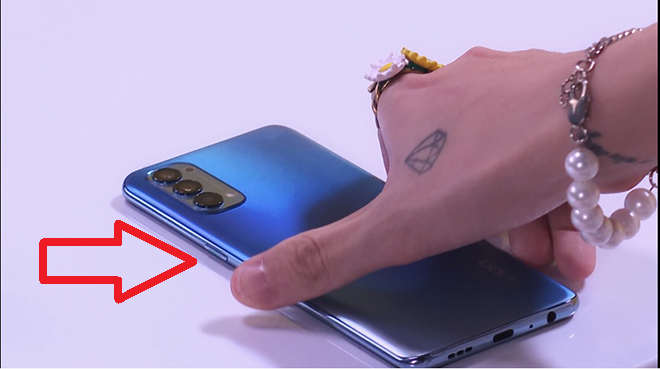
In today’s fast-moving digital world, smartphones have become constant companions. They sit beside us at cafés, restaurants, offices, and
social gatherings, rarely leaving arm’s reach. One small habit most people barely think about is how they place their phone on a table. Almost
instinctively, many people set their device down with the screen facing up. Turning it face down, on the other hand, is far less common.
Yet this simple shift - flipping your phone over - can offer a surprising number of benefits. From protecting your device to improving focus
and privacy, placing your smartphone face down is a small action that can make a meaningful difference. Here’s why this habit deserves more
attention.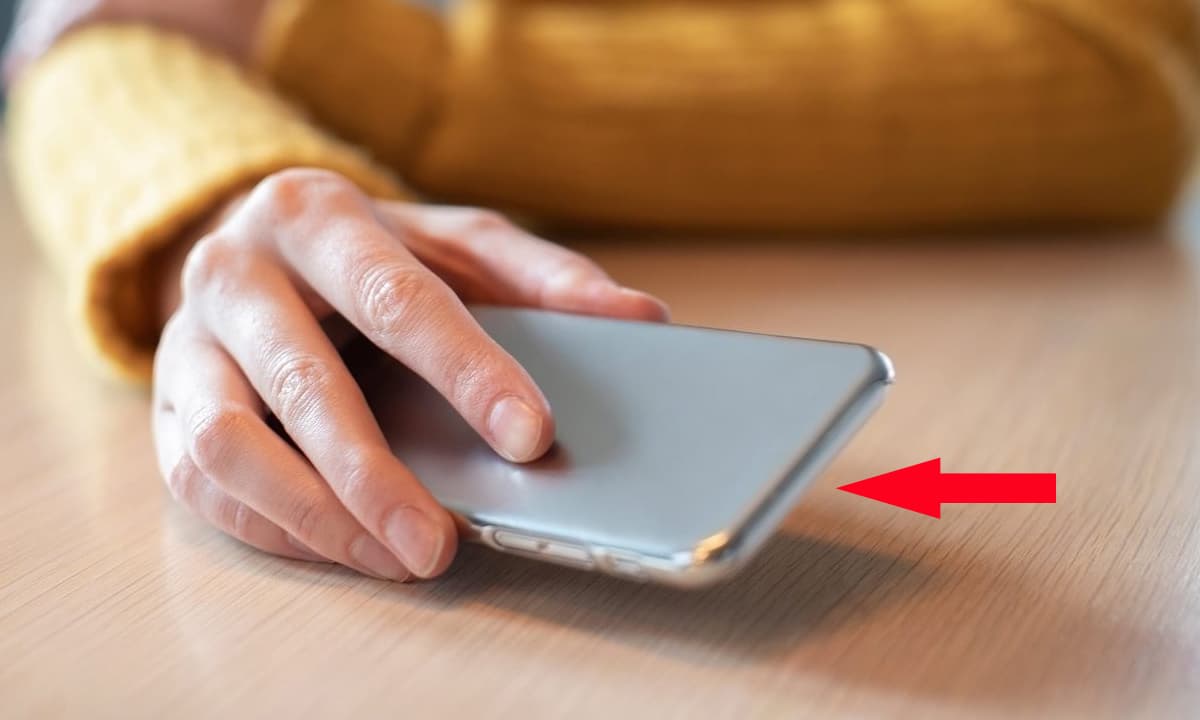
1. Reducing Exposure to Dust, Dirt, and Liquid Damage
When a phone is placed screen-side up, its most delicate surface is fully exposed. Dust particles, lint, and microscopic debris floating in the air
slowly settle on the glass. Over time, this buildup can lead to smudges, dullness, and even fine scratches that reduce screen clarity and
responsiveness.
While frequent cleaning may help, wiping the screen repeatedly - especially without proper materials - can actually increase the risk of
micro-abrasions. Additionally, screens left facing upward are far more vulnerable to accidental spills. A knocked-over cup, condensation from
a cold drink, or stray droplets of food can land directly on the display, potentially seeping into edges or ports.
Placing your phone face down adds a layer of passive protection. The back of the device, typically made from sturdier materials such as metal
or reinforced glass, acts as a shield. This simple habit reduces exposure to debris and significantly lowers the risk of liquid reaching the screen
when accidents happen.
2. Preserving Camera Lens Quality Over Time
Modern smartphones rely heavily on advanced camera systems, many of which feature lenses that slightly protrude from the back of the
device. These raised lenses are designed to deliver better image quality, but they also come with a downside: vulnerability to wear and
scratches.
When a phone is placed screen-up, the camera lenses often rest directly against the surface below. Tables, counters, or rough materials can
cause tiny scratches that may not be noticeable at first but gradually degrade photo and video quality. Even small imperfections on a lens can
introduce glare, distortion, or reduced sharpness.
Placing the phone face down keeps the camera lenses suspended and away from abrasive surfaces. Combined with occasional gentle cleaning
using a microfiber cloth, this habit helps maintain optimal camera performance and ensures your photos remain crisp and clear over time.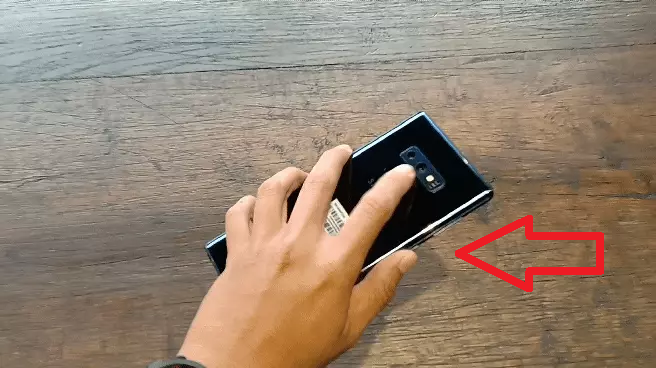
3. Strengthening Privacy in Public Spaces
Smartphone screens are designed to deliver information instantly. Messages, notifications, emails, and alerts appear the moment they arrive.
While convenient, this also means anyone nearby can catch a glimpse of personal information without trying.
In public settings such as cafés, meetings, or shared workspaces, this visibility can become a privacy issue. Personal messages, financial alerts,
or work-related notifications may be unintentionally exposed, leading to discomfort or even security risks.
Placing your phone face down creates an immediate privacy barrier. Notifications still come through, but their content remains hidden. This
small habit helps protect sensitive information from wandering eyes and gives you greater control over when and how you engage with your
device.
4. Reducing Distractions and Improving Focus
Smartphones are built to demand attention. Every vibration, banner, or flashing screen pulls your focus away from what you are doing. Over
time, these constant interruptions can reduce productivity, fragment concentration, and even affect the quality of face-to-face interactions.
When your phone lies screen-up, each notification lights up the display, subtly inviting you to check it. Even brief glances can disrupt your
train of thought or break the flow of a conversation.
Turning your phone face down removes this visual trigger. While you may still feel vibrations or hear alerts, the absence of a glowing screen
makes it easier to stay focused and present. This habit encourages intentional phone use rather than reactive scrolling, supporting better
concentration and more meaningful engagement with the world around you.
Extra Tip: How You Carry Your Phone Matters Too
The same principle applies when carrying your phone in a pocket or bag. Placing the screen facing inward — toward your body or the inside
of a bag - can help protect it from scratches caused by keys, coins, or other objects.
This orientation may also reduce accidental screen activation and limit prolonged contact between the screen and body heat, which can
sometimes cause discomfort or minor irritation. Small adjustments like this contribute to better device care over time.
Final Thoughts
At first glance, placing your smartphone face down might seem insignificant. In reality, it offers a range of practical benefits: protecting the
screen from damage, preserving camera quality, safeguarding your privacy, and reducing everyday distractions.
By adopting this simple habit, you not only extend the lifespan of your device but also create healthier boundaries with technology. The next
time you set your phone down - whether at a café, a meeting, or at home - try flipping it over. Sometimes, the smallest changes make the
biggest difference.