Colon cancer, also known as colorectal cancer, is among the most common cancers worldwide. Despite its prevalence, there is encouraging
news: when detected early - especially at Stage 1 - colon cancer is highly treatable, and survival rates are significantly higher than in later
stages.
The real challenge lies in the nature of early-stage colon cancer itself. In its initial phase, symptoms are often subtle, vague, or easily mistaken
for everyday digestive issues. Many people delay seeking medical attention because the signs don’t seem serious at first. Unfortunately, this
delay can allow the disease to progress silently.
That is why understanding and recognizing the early warning signs of Stage 1 colon cancer is so important. Paying attention to these
signals and acting promptly can make a life-saving difference.
Below are six early symptoms that should never be ignored.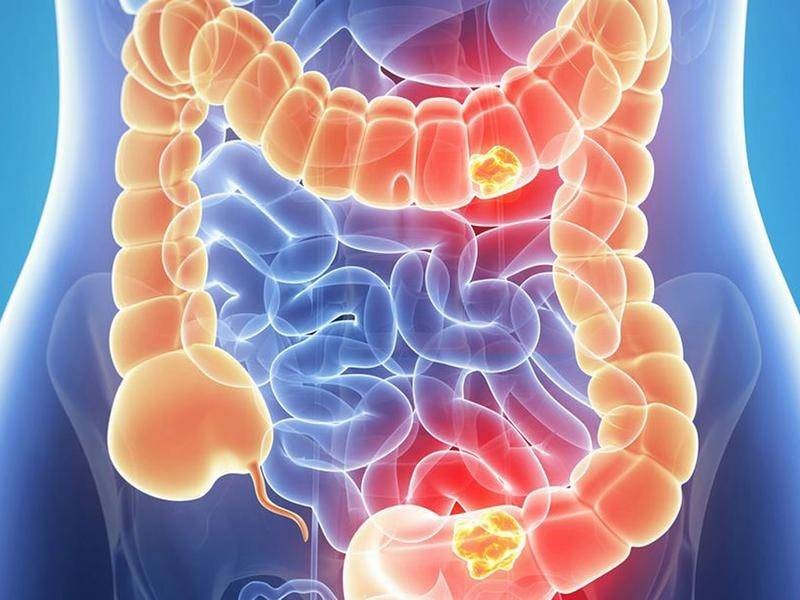
1. Persistent Changes in Bowel Habits
One of the earliest and most common signs of colon cancer is a noticeable change in bowel movements. While occasional digestive changes
are normal, persistent alterations lasting several weeks deserve attention.
These changes may include:
-
Ongoing diarrhea or constipation that appears without a clear cause
-
Alternating between diarrhea and constipation, which may indicate disrupted bowel function
-
Narrow or pencil-thin stools, suggesting partial blockage in the colon
-
A constant feeling that the bowel hasn’t fully emptied, even after using the restroom
In Stage 1 colon cancer, a small tumor may begin interfering with normal bowel movement, leading to these symptoms. Because they often
resemble stress-related or functional digestive disorders, many people dismiss them. However, when such changes persist, medical evaluation
is essential.
2. Ongoing Abdominal Discomfort or Pain
Abdominal discomfort is common and usually harmless, but persistent or unexplained pain should never be ignored.
Early colon cancer may cause:
-
Cramping or bloating that doesn’t improve after passing gas or having a bowel movement
-
A dull or aching pain in the lower abdomen
-
A sensation of heaviness or pressure in the stomach
-
Feeling unusually full after eating small amounts of food
These symptoms may occur because a growing tumor causes irritation or mild obstruction in the colon. If abdominal discomfort becomes
frequent, worsens over time, or feels different from your usual digestive patterns, it’s important to seek medical advice.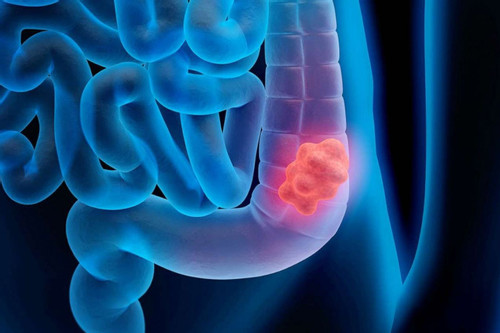
3. Blood in the Stool or Rectal Bleeding
The presence of blood in the stool is one of the most alarming signs of colon cancer and can appear even in its earliest stage.
This may present as:
-
Bright red blood on toilet paper or on the surface of the stool
-
Dark or black stools, indicating older blood that has passed through the digestive system
Although conditions such as hemorrhoids or anal fissures can also cause rectal bleeding, any unexplained blood in the stool should always
be evaluated by a healthcare professional. Ignoring this symptom can delay diagnosis and treatment.
4. Unexplained Weight Loss
Losing weight without trying - especially when diet and activity levels haven’t changed—can be an early sign of several cancers, including
colon cancer.
In Stage 1 colon cancer, weight loss may be gradual, but even a loss of 5–10 pounds without explanation can be significant. This may occur
because the body is responding to the presence of a tumor, altering metabolism and nutrient absorption.
If unexplained weight loss occurs alongside digestive symptoms, it should never be overlooked.
5. Persistent Fatigue and Weakness
Fatigue is often attributed to stress, lack of sleep, or a busy lifestyle. However, ongoing tiredness that doesn’t improve with rest can signal
an underlying medical issue.
In early colon cancer, fatigue may be caused by:
-
Slow, unnoticed blood loss, leading to iron-deficiency anemia
-
The body’s immune response, which diverts energy to fight abnormal cells
People may feel weak, drained, or short of breath during routine activities. If fatigue becomes persistent and unexplained, medical evaluation
is important.
6. Changes in Appetite or Eating Patterns
Subtle appetite changes can also occur in Stage 1 colon cancer and are often overlooked.
These may include:
-
Loss of appetite without an obvious reason
-
Feeling full very quickly, even after small meals
-
Sudden aversions to foods you once enjoyed
These changes can result from digestive discomfort or altered gut function caused by early tumor growth. Persistent appetite changes should
be discussed with a healthcare provider.
Final Thoughts: Early Awareness Saves Lives
Stage 1 colon cancer often develops quietly, but the body may still send warning signals. Changes in bowel habits, abdominal discomfort,
rectal bleeding, unexplained weight loss, fatigue, and appetite changes should never be ignored—especially when they persist or appear
together.
It’s important to remember that these symptoms do not automatically mean cancer. Many benign conditions can cause similar signs.
However, only proper medical evaluation can determine the cause.
Early detection remains the most powerful tool in the fight against colon cancer. Routine screenings, timely check-ups, and listening to your
body can dramatically improve outcomes and save lives.
When it comes to your health, caution is never a mistake and early action can make all the difference.