Fatty Liver Disease: The Sign in Your Feet That May Signal Advanced Damage
Fatty liver disease is often called a “silent condition.”
In its early stages, it may cause few or no noticeable symptoms. Many people live for years without realizing their liver is under stress. However, as the disease progresses, the body can begin to show warning signs—sometimes in unexpected places.
One area doctors pay close attention to is the feet and lower legs.
While no single sign confirms irreversible liver damage on its own, certain changes in the feet may indicate that fatty liver disease has reached a more advanced stage and requires urgent medical attention.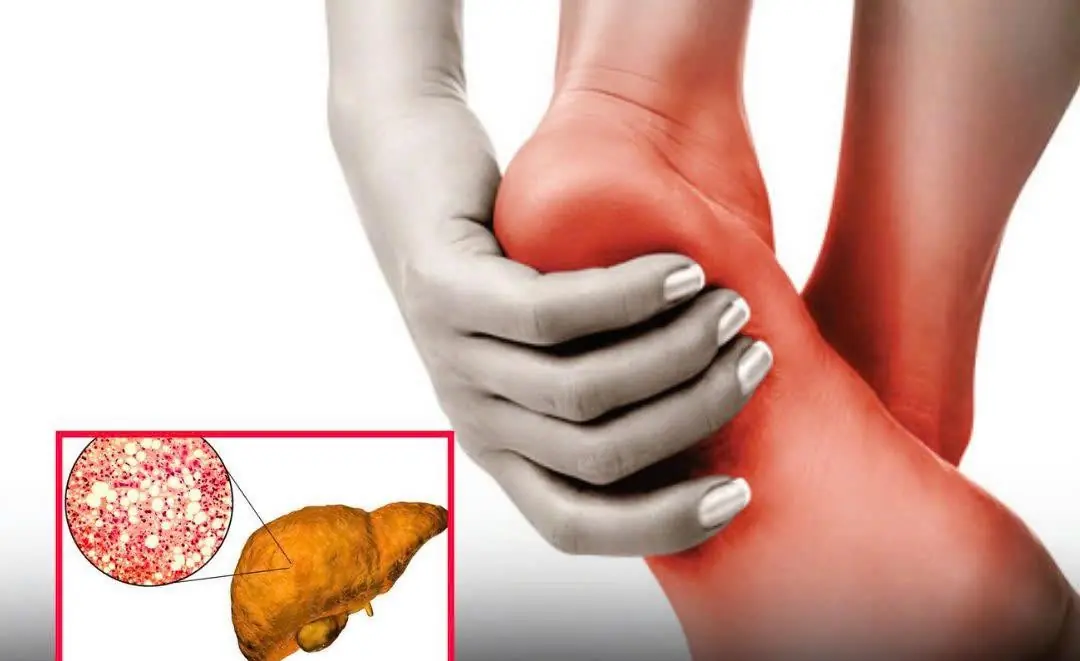
Understanding Fatty Liver Disease
Fatty liver disease occurs when excess fat builds up in liver cells. It is commonly linked to:
-
Obesity
-
Type 2 diabetes
-
High cholesterol
-
Excessive alcohol use
-
Metabolic syndrome
In early stages, fatty liver is often reversible with lifestyle changes. However, if inflammation and scarring develop, the condition can progress to fibrosis and eventually cirrhosis, where damage may become permanent.
Why the Feet Can Reveal Liver Problems
The liver plays a central role in regulating fluids, proteins, and blood circulation. When liver function declines, these systems are disrupted.
As a result, fluid can accumulate in the lower parts of the body, especially the feet and ankles. This happens due to reduced protein production (such as albumin) and increased pressure in blood vessels.
Doctors consider foot-related symptoms an important clue in advanced liver disease.
The Key Sign: Persistent Swelling in the Feet and Ankles
One of the most concerning signs is persistent swelling, also known as peripheral edema.
This swelling may:
-
Affect both feet and ankles
-
Worsen by the end of the day
-
Leave an indentation when pressed (pitting edema)
-
Improve slightly with elevation but return quickly
In people with fatty liver disease, ongoing swelling can suggest significant liver dysfunction, particularly when combined with other symptoms.
While swelling alone does not prove irreversibility, it often appears in later stages of liver disease.
Other Foot and Leg Changes to Watch For
In addition to swelling, doctors may look for:
-
Skin discoloration, such as redness or darkening
-
Shiny or stretched skin due to fluid buildup
-
Cold feet from poor circulation
-
Slow-healing wounds or infections
These signs reflect impaired circulation and immune function, both of which can worsen as liver disease advances.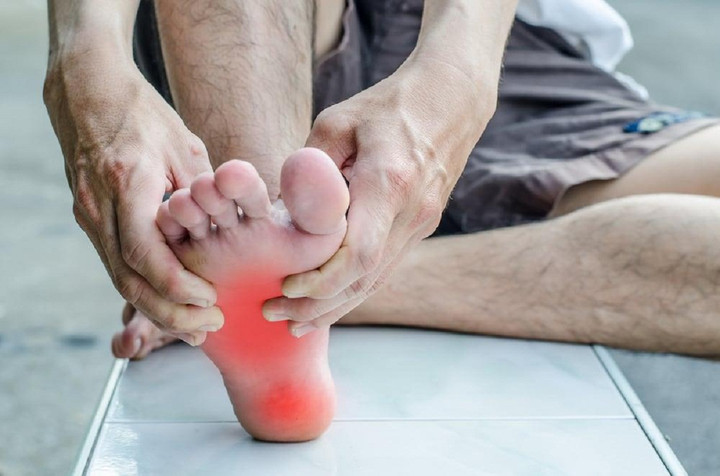
Does This Mean the Condition Is Irreversible?
This is where caution is essential.
A sign in the feet does not automatically mean fatty liver disease is irreversible. However, it may indicate that the disease has progressed beyond its earliest, easily reversible stage.
Irreversibility depends on:
-
The degree of liver scarring
-
Presence of cirrhosis
-
Response to treatment and lifestyle changes
-
Overall health and underlying conditions
Early fibrosis can sometimes be improved. Advanced cirrhosis, however, is often permanent.
Only medical evaluation—including blood tests, imaging, and sometimes biopsy—can determine severity.
Symptoms That Often Appear Alongside Foot Swelling
When foot swelling is linked to advanced fatty liver disease, other symptoms may also be present, such as:
-
Chronic fatigue
-
Abdominal swelling (ascites)
-
Yellowing of the skin or eyes (jaundice)
-
Easy bruising or bleeding
-
Muscle weakness
-
Confusion or memory issues
The combination of these signs raises concern for advanced liver damage.
Why Early Action Still Matters
Even when liver disease has progressed, early medical intervention can slow or stop further damage.
Treatment may include:
-
Weight loss and dietary changes
-
Strict blood sugar and cholesterol control
-
Avoiding alcohol entirely
-
Medications to manage complications
-
Regular monitoring by a specialist
In some cases, advanced disease may require transplant evaluation—but many patients stabilize long before reaching that stage.
When to See a Doctor Immediately
Seek medical attention if foot swelling:
-
Appears suddenly or worsens rapidly
-
Is accompanied by abdominal swelling
-
Comes with shortness of breath
-
Occurs alongside jaundice or confusion
These symptoms should never be ignored.
The Bottom Line
Fatty liver disease does not always announce itself early.
When signs appear in the feet—especially persistent swelling—it may indicate significant liver stress or advanced disease, but it does not automatically mean the condition is beyond hope.
Feet can send important signals, but they are only part of the picture. Proper diagnosis, timely treatment, and lifestyle changes can still make a meaningful difference.
Listening to the body early—and acting on those signals—remains the strongest tool for protecting liver health.