An Eye Doctor Explains What to Do If You Start Seeing “Floaters”
It often begins quietly.
A thin, translucent shape drifts across your vision. A thread. A squiggle. A shadow that disappears the moment you try to look directly at it. You blink. It’s still there—floating, moving, slipping away.
Many people dismiss it at first.
But according to eye doctors, those small moving shapes—commonly called “floaters”—are something you should never completely ignore.
What Are Eye Floaters?
Eye floaters are tiny specks, strands, or cloud-like shapes that appear to drift through your field of vision. They are most noticeable when looking at a bright, plain background, such as a blue sky, a white wall, or a computer screen.
Despite how real they appear, floaters are not actually on the surface of your eye.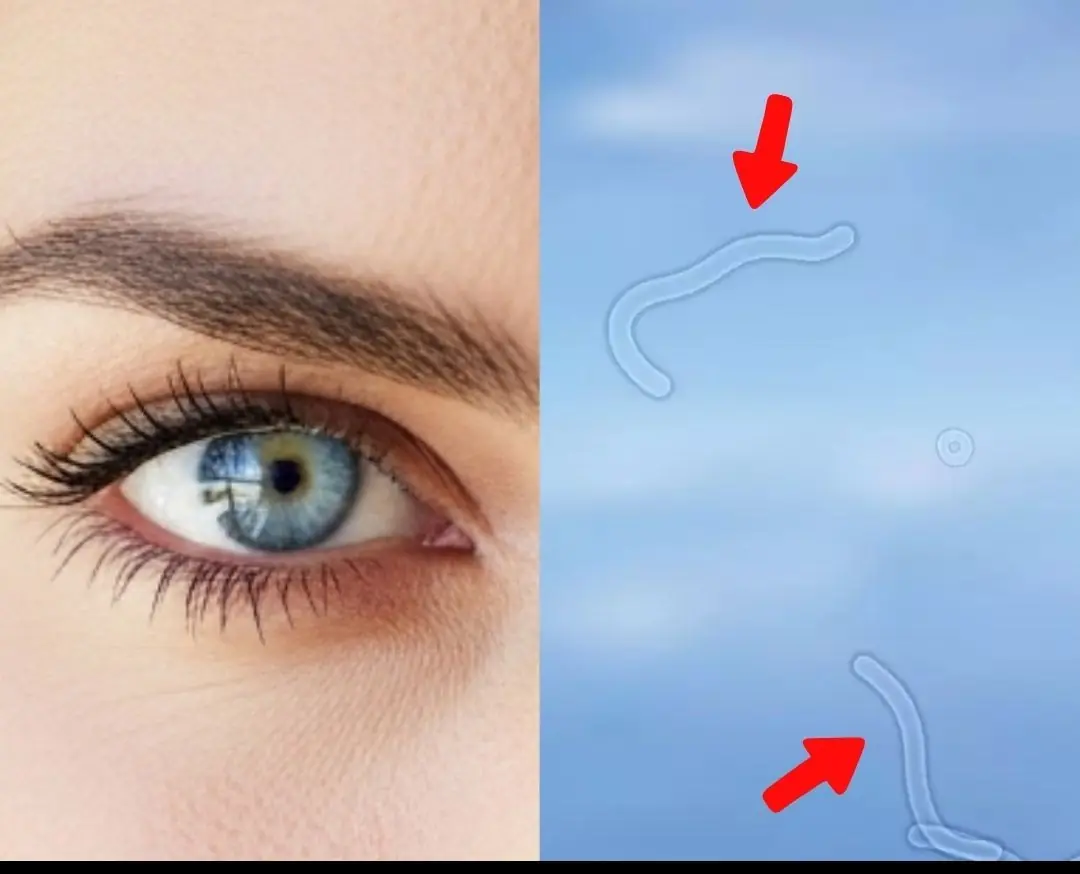
They exist inside it.
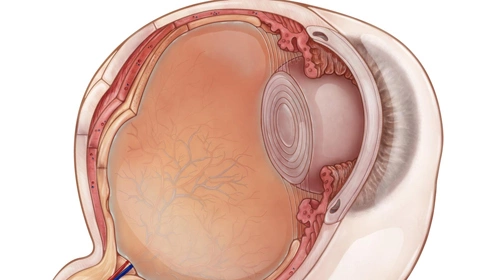
Floaters are caused by tiny clumps of collagen or cellular debris suspended in the vitreous, the clear, gel-like substance that fills the inside of the eye. As light enters the eye, these particles cast shadows on the retina, which the brain interprets as floating objects.
Why Do Floaters Appear?
In most cases, floaters are a natural part of aging.
As people get older, the vitreous slowly begins to shrink and liquefy. This process—known as vitreous degeneration—can cause microscopic fibers inside the eye to clump together.
When that happens, floaters become visible.
This is especially common after age 40, and even more so after 60. Nearsighted individuals often notice floaters earlier in life, as do people who have undergone eye surgery or experienced eye trauma.
What Do Floaters Look Like?
Floaters can vary widely from person to person. Some of the most common descriptions include:
-
Small dark dots or specks
-
Wavy, thread-like lines
-
Transparent circles or rings
-
Shadowy shapes that move when you move your eyes
They often drift away when you try to focus on them directly, which can be frustrating and unsettling.
Are Floaters Dangerous?
In many cases, floaters are harmless.
Most people will develop at least a few floaters over their lifetime, and the brain often learns to ignore them over time. As weeks or months pass, floaters may become less noticeable or seem to “fade,” even if they are still present.
However, eye doctors warn that not all floaters are benign.
Certain changes in floaters can signal a serious underlying problem.
When Floaters Are a Warning Sign
An eye doctor will likely recommend immediate evaluation if floaters appear suddenly or are accompanied by other symptoms.
You should seek urgent medical attention if you experience:
-
A sudden increase in the number of floaters
-
Flashes of light in your vision
-
A dark curtain or shadow moving across your visual field
-
Blurred or distorted vision
-
Eye pain along with floaters
These symptoms may indicate a retinal tear or retinal detachment, both of which are medical emergencies.
Why Retinal Problems Are So Serious
The retina is a thin layer of tissue at the back of the eye responsible for sensing light and sending visual signals to the brain.
When the vitreous pulls away too forcefully, it can tear the retina. If fluid passes through that tear, the retina can detach from the back of the eye.
Without prompt treatment, retinal detachment can lead to permanent vision loss.
That is why doctors emphasize that sudden or dramatic changes in floaters should never be ignored.
Who Is at Higher Risk?
Certain individuals are more likely to experience dangerous complications related to floaters.
Risk factors include:
-
Severe nearsightedness
-
A history of eye surgery (such as cataract surgery)
-
Previous retinal tears or detachments
-
Eye injuries or trauma
-
Diabetes or other conditions affecting blood vessels
For people in these groups, even subtle changes in vision should be taken seriously.
What Should You Do If You Start Seeing Floaters?
Eye doctors recommend a calm but proactive approach.
Step one: do not panic.
Seeing floaters does not automatically mean something is wrong.
Step two: pay attention.
Notice when the floaters appeared, whether they are increasing, and if any other symptoms are present.
Step three: schedule an eye exam.
If floaters are new, persistent, or concerning, an eye doctor can perform a dilated eye exam to evaluate the vitreous and retina.
This examination allows doctors to detect retinal tears, bleeding, or inflammation that may not be obvious otherwise.
Can Floaters Be Treated?
In most cases, floaters do not require treatment.
Doctors often recommend observation, especially if the floaters are mild and not interfering with daily life. Over time, many people find that floaters become less bothersome as the brain adapts.
However, in severe cases where floaters significantly impair vision, treatment options may be considered.
These include:
-
Vitrectomy, a surgical procedure that removes the vitreous gel and replaces it with a clear solution
-
Laser vitreolysis, a procedure that uses a laser to break up large floaters
Both procedures carry risks and are typically reserved for extreme cases. Most eye specialists prefer conservative management whenever possible.
Can You Prevent Floaters?
There is no guaranteed way to prevent floaters, especially those related to aging.
However, eye doctors recommend maintaining overall eye health by:
-
Getting regular eye exams
-
Protecting eyes from injury
-
Managing chronic conditions like diabetes
-
Avoiding smoking
-
Eating a balanced diet rich in antioxidants
While these steps may not eliminate floaters, they can reduce the risk of complications.
Why Floaters Feel So Disturbing
One reason floaters cause anxiety is their unpredictability.
They move without warning.
They interfere with focus.
They remind people that something inside their body has changed.
Psychologically, floaters can feel intrusive—even threatening—especially when they appear suddenly.
Eye doctors stress that education is key. Understanding what floaters are and when they are dangerous helps reduce unnecessary fear while ensuring timely care when needed.
What Doctors Want People to Remember
Eye specialists often share the same message with patients:
Most floaters are harmless—but your eyes deserve attention.
Ignoring sudden visual changes can be risky. On the other hand, panicking over every small floater can cause unnecessary stress.
The balance lies in awareness.
If something changes quickly, dramatically, or unexpectedly, it is always safer to get it checked.
A Simple Rule to Follow
Many eye doctors offer this simple guideline:
-
Old floaters that stay the same → usually not urgent
-
New floaters that appear suddenly → get evaluated
-
Floaters with flashes or vision loss → seek immediate care
Your vision is not something to gamble with.
Seeing Clearly About Floaters
Floaters may look strange, annoying, or even frightening—but they are often a normal part of how the eye ages.
Still, they serve as a reminder of how delicate and complex vision truly is.
When your eyes send a signal, it’s worth listening.
Because sometimes, a small floating shadow is just that.
And sometimes, it’s your body asking for help.