If You Get a Lump on Your Neck, Back, or Behind Your Ear, Here’s What It Could Mean
Discovering a lump on your neck, back, or behind your ear can be alarming.
Many people immediately fear the worst. The mind jumps to serious illnesses, and anxiety quickly follows. However, doctors emphasize that most lumps in these areas are not dangerous and often have simple explanations.
Understanding what these lumps might represent—and when to seek medical attention—can help reduce fear while protecting your health.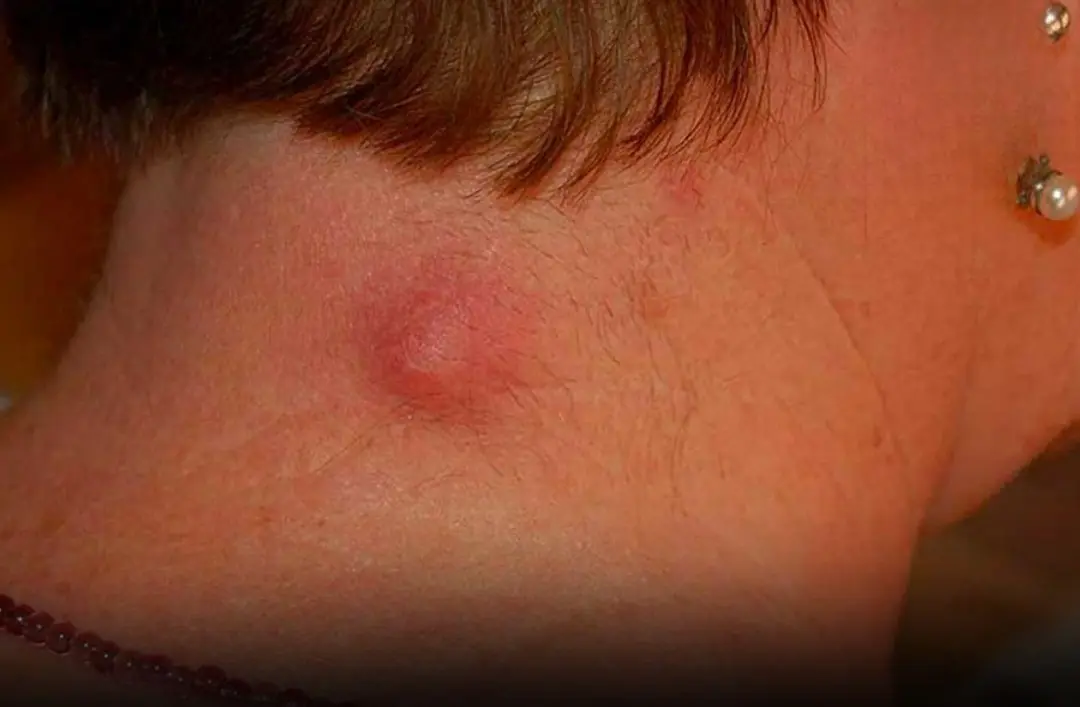
The Most Common Cause: Swollen Lymph Nodes
In many cases, a lump in the neck or behind the ear is a swollen lymph node.
Lymph nodes are small, bean-shaped structures that are part of the immune system. They help filter bacteria, viruses, and other harmful substances from the body.
When the body is fighting an infection—such as a cold, flu, throat infection, dental problem, or skin infection—nearby lymph nodes may swell.
This swelling is a sign that your immune system is working.
Swollen lymph nodes are usually:
-
Soft or slightly firm
-
Tender to the touch
-
Movable under the skin
-
Temporary, often shrinking within days or weeks
Skin-Related Causes
Not all lumps come from beneath the skin.
Some develop directly within the skin itself, including:
-
Boils or abscesses caused by bacterial infection
-
Inflamed hair follicles
-
Acne cysts
-
Sebaceous cysts, which form when oil glands become blocked
These lumps may appear red, warm, or painful and sometimes contain fluid or pus.
Skin-related lumps are common on the neck and back, where sweat and friction can irritate hair follicles.
Lipomas: Soft and Usually Harmless
Another common cause is a lipoma.
Lipomas are benign (non-cancerous) growths made of fatty tissue. They grow slowly and are often found on the neck, shoulders, and back.
Typical features of lipomas include:
-
Soft, rubbery texture
-
Painless
-
Easily movable
-
Slow growth over time
Doctors generally consider lipomas harmless, and treatment is usually unnecessary unless they cause discomfort or cosmetic concerns.
When a Lump Needs More Attention
While most lumps are benign, some warning signs should never be ignored.
Seek medical evaluation if a lump:
-
Grows rapidly
-
Becomes very hard or fixed in place
-
Persists longer than two to four weeks
-
Is painless but continues to enlarge
-
Is accompanied by unexplained weight loss, fever, or night sweats
These signs may indicate a more serious condition and require proper diagnosis.
Could It Be Cancer?
Cancer is a possibility—but it is far less common than people fear.
Certain cancers, such as lymphoma or cancers of the head and neck, can cause persistent lymph node enlargement. However, cancerous lumps often have specific characteristics.
They are more likely to be:
-
Firm or hard
-
Non-movable
-
Painless
-
Gradually increasing in size
Doctors stress that a lump alone does not mean cancer. Many benign conditions present in similar ways, which is why medical evaluation is essential before jumping to conclusions.
Behind the Ear: A Special Area
Lumps behind the ear are often linked to:
-
Ear infections
-
Scalp infections
-
Skin irritation
-
Swollen lymph nodes reacting to nearby inflammation
In children and young adults especially, these lumps are commonly related to minor infections and resolve on their own.
However, if swelling behind the ear is painful, red, or associated with hearing changes, medical attention is recommended.
What Doctors Usually Do
When evaluating a lump, doctors may:
-
Ask about recent infections or illnesses
-
Examine the size, texture, and mobility
-
Monitor changes over time
-
Order imaging tests if needed
-
Recommend blood tests or a biopsy in rare cases
Most cases do not require invasive testing, especially if the lump shows signs of being reactive or temporary.
What You Should Not Do
Doctors advise against:
-
Repeatedly pressing or squeezing the lump
-
Attempting to drain it at home
-
Ignoring it for months without monitoring
Excessive touching can cause irritation and make swelling worse.
A Simple Rule to Remember
Medical professionals often suggest this guideline:
-
Painful and short-term → usually infection-related
-
Soft and movable → often benign
-
Hard, painless, and persistent → get it checked
Listening to your body while staying calm is key.

The Bottom Line
Finding a lump on your neck, back, or behind your ear is understandably concerning—but in most cases, it is not a sign of something serious.
The body reacts to infections, inflammation, and irritation in visible ways. Lumps are often one of those signals.
Still, paying attention matters. If a lump changes, persists, or comes with other symptoms, seeing a healthcare professional is the safest choice.
Peace of mind often begins with understanding—and sometimes, a simple checkup is all it takes.