A woman presses her hand into her lower back, right where many people imagine the kidneys “sit.” The warning text on the image is direct: unusual changes in your body may be signs that your kidneys are weakening—don’t ignore them. It’s a message worth taking seriously, because kidney disease often progresses quietly. Many people feel fine until kidney function has already declined, which is why early clues—however subtle—matter.
Your kidneys do more than “make urine.” They filter waste from the blood, balance fluids and electrolytes, help regulate blood pressure, and support healthy red blood cell production. When kidney function drops, symptoms can show up in ways that don’t obviously scream “kidneys,” which is why they’re easy to dismiss.
Here are common warning signs, what they may mean, and when it’s time to get checked.
1) Changes in urination
Because kidneys manage fluid and filtering, urine changes are one of the most important signals. Watch for:
-
urinating more often at night
-
unusually foamy or bubbly urine (can suggest protein in urine)
-
blood in urine (pink, red, tea-colored)
-
burning or pain with urination (often infection-related, but still needs evaluation)
-
very dark urine or unusually pale urine alongside other symptoms
-
noticeably less urine than usual, especially with swelling or shortness of breath
A single change doesn’t confirm kidney disease—but persistent or dramatic changes deserve medical attention.
2) Swelling in feet, ankles, face, or hands
When kidneys can’t balance sodium and fluids well, the body may retain water. This can lead to puffiness around the eyes in the morning, tight rings, or swelling in the lower legs and ankles. Swelling can also come from heart, liver, thyroid, or vein problems, so it’s a sign to check—not a diagnosis.
3) Fatigue, weakness, or “brain fog”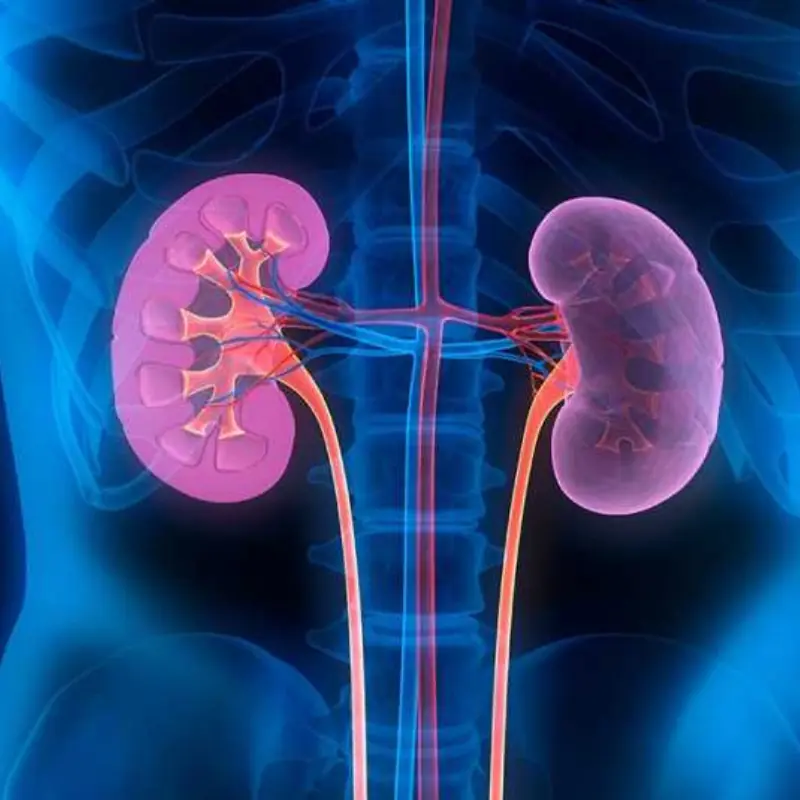
Ongoing tiredness can happen for many reasons, but kidney decline can contribute by:
-
allowing waste products to build up
-
causing anemia (kidneys help signal the body to make red blood cells)
-
disrupting sleep (especially if you’re waking at night to urinate)
If fatigue is persistent, worsening, or paired with other signs on this list, it’s worth discussing with a clinician.
4) Nausea, poor appetite, or metallic taste
When waste products accumulate, some people notice nausea, reduced appetite, or a strange taste in the mouth. These symptoms tend to appear later, but they can also happen with stomach issues, medication side effects, or infections—another reason not to self-diagnose.
5) High blood pressure that’s new or hard to control
Kidney problems and high blood pressure have a two-way relationship: high blood pressure can damage kidneys, and damaged kidneys can raise blood pressure. If your blood pressure is creeping up despite lifestyle changes or medication, your doctor may check kidney markers.
6) Lower back or side pain
This is where the image focuses—pain near the kidney area. Important detail: most chronic kidney disease is painless. Pain is more commonly linked to:
-
kidney stones
-
urinary tract infections that reach the kidneys
-
blockage of urine flow
-
inflammation or injury
So back pain alone isn’t proof of kidney weakness, but back/side pain with fever, nausea, or urinary changes should be evaluated quickly.
7) Itchy skin or muscle cramps
Electrolyte imbalances (such as changes in calcium, phosphorus, or potassium) may contribute to cramping, restless legs, or itching. These symptoms can also come from dehydration, skin conditions, nerve issues, or medications—but if they’re persistent and unexplained, they’re worth checking.
When to seek medical care urgently
Seek urgent help (same day/emergency) if you have:
-
blood in urine
-
severe back/side pain with fever or vomiting
-
sudden swelling, shortness of breath, or chest pain
-
very low urine output along with weakness or confusion
These can signal serious infection, obstruction, or other conditions needing immediate treatment.
How kidney issues are usually checked
A clinician typically starts with:
-
blood tests (especially creatinine/eGFR to estimate kidney function)
-
urine tests (protein, blood, signs of infection)
-
blood pressure check
-
sometimes imaging (ultrasound/CT) if stones, blockage, or structural issues are suspected
The good news: catching problems early can slow progression and prevent complications.
Protecting your kidneys in everyday life
You don’t need fear-based rules—focus on proven habits:
-
manage blood pressure and blood sugar (major kidney risk drivers)
-
stay hydrated (but don’t overdo fluids if your doctor advises limits)
-
avoid frequent, unnecessary use of certain painkillers (especially long-term NSAID overuse)
-
don’t smoke; limit alcohol
-
keep salt intake reasonable
-
get regular checkups if you have diabetes, hypertension, a family history of kidney disease, or are older