Crispy fried foods such as French fries, spring rolls, or grilled meats are often irresistible. Their aroma and texture make them a favorite at
almost every meal. However, behind that appealing crunch lies a serious issue: fried and oily foods place a heavy burden on the liver.
When the diet contains too much oil and fat, levels of bad cholesterol in the blood rise sharply. Over time, this excess fat is stored in the liver,
increasing the risk of fatty liver disease. If this condition persists, it can progress to liver inflammation, fibrosis, and in severe cases, cirrhosis.
Several studies have shown that people who frequently consume fried foods face up to three times higher risk of liver disease compared to
those who maintain a balanced, healthy diet. A simple but effective change is to replace frying with steaming, boiling, or light grilling. These
cooking methods reduce fat intake and allow the liver to function more efficiently.
1. Sugar and Sweets – The Silent Enemy of the Liver
Sugar often enters the body unnoticed. A handful of candies, a slice of cake, or a cup of bubble tea may seem harmless, but sugar is one of
the biggest contributors to liver fat accumulation.
Excess sugar, especially fructose, is rapidly converted into fat in the liver. Over time, this leads to fatty liver disease and disrupts normal liver
function. What makes sugar particularly dangerous is how easily it is overconsumed without feeling full.
To protect the liver, it’s important to limit daily sugar intake. Instead of sweetened beverages, consider fresh fruit juice in moderation, herbal
teas, or simply water. Reducing sugar not only benefits liver health but also improves energy levels, metabolism, and overall well-being.
2. Canned and Processed Foods – Forcing the Liver to Work Overtime
In today’s fast-paced lifestyle, canned and processed foods such as sausages, pâté, and cold cuts are often chosen for convenience.
Unfortunately, these foods are loaded with preservatives, excessive salt, and unhealthy fats.
Once consumed, these additives must be processed and detoxified by the liver. Repeated exposure forces the liver to work harder than it
should, increasing long-term strain and inflammation.
Choosing home-cooked meals whenever possible can make a significant difference. Simple dishes prepared with fresh ingredients require
only a little extra time but provide powerful protection for liver health.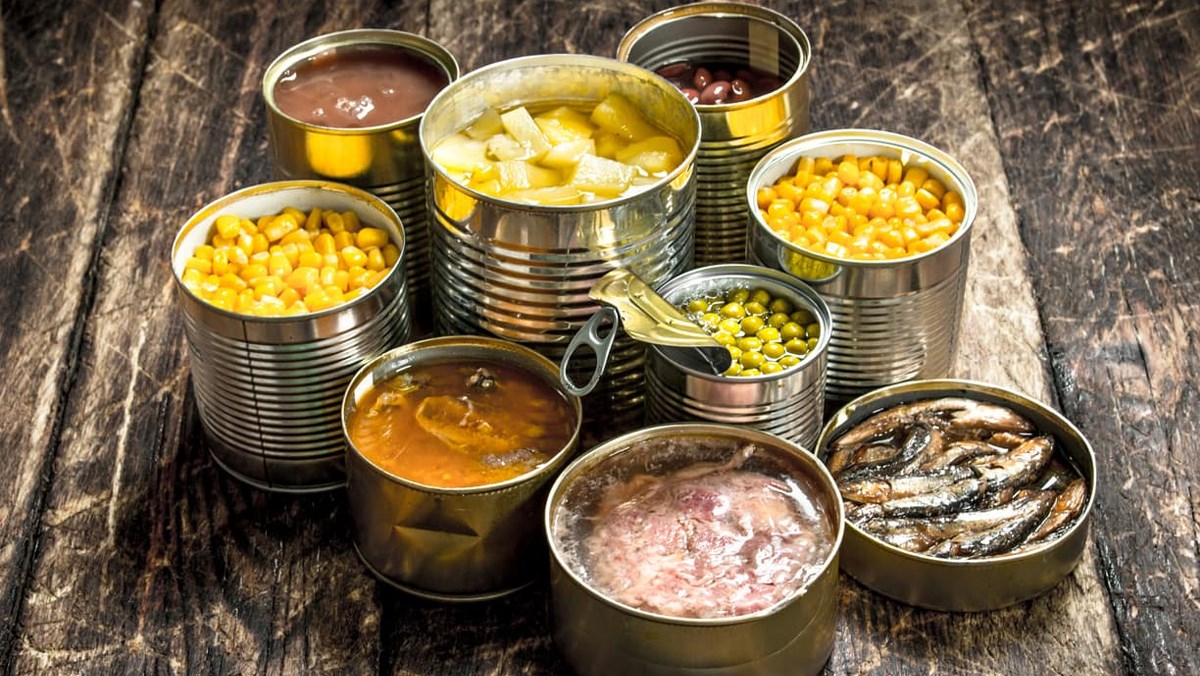
3. Coffee and Carbonated Drinks – When Excess Becomes Harmful
For many people, a morning cup of coffee is a daily ritual. In moderation, coffee may offer certain benefits. However, excessive consumption
can place additional stress on the liver, which must metabolize caffeine and other compounds.
Carbonated drinks pose an even greater risk. They are often high in sugar, artificial flavorings, and preservatives — all of which negatively
affect liver function. Regular overconsumption may increase the risk of liver inflammation and metabolic disorders.
Health experts recommend limiting coffee intake to two to three cups per day and replacing sugary soft drinks with water, unsweetened tea,
or natural fruit-infused water.
4. Red Meat – Heavy Fuel for the Liver
Red meat such as beef and pork is a valuable source of protein and essential nutrients. However, eating it too frequently can overwhelm the
liver.
Red meat contains high levels of saturated fat, which raises blood cholesterol and encourages fat storage in the liver. Over time, this increases
the risk of fatty liver disease and cardiovascular problems.
A healthier approach is to diversify protein sources. Fish, eggs, tofu, legumes, and vegetables provide excellent nutrition while placing less
strain on the liver. Balance, rather than elimination, is the key.
5. Protecting the Liver Is an Investment in Long-Term Health
The liver is one of the most vital organs in the body, yet it is also extremely sensitive to lifestyle choices. The good news is that liver damage
often develops slowly and that means it can also be prevented and improved through timely changes.
Protecting liver health doesn’t require extreme dieting or giving up all favorite foods. Small, consistent adjustments make the biggest impact:
-
Eat a balanced diet with less fat and sugar
-
Drink enough water daily
-
Exercise regularly
-
Get sufficient sleep
-
Reduce alcohol and processed foods
A healthy liver supports digestion, detoxification, immunity, and overall energy levels. Taking care of it today is a powerful investment in future
health.
Start with small changes now - your liver will thank you for years to come.