What Happens When You Eat Three Whole Eggs Every Day? The Results May Surprise You
Eggs have long been at the center of nutritional debate. Once criticized for their cholesterol content, they are now being reexamined by scientists and nutrition experts. Recent research suggests that eating whole eggs daily—up to three per day for many adults—may offer unexpected health benefits, rather than the harm people once feared.
However, the effects depend on overall diet, lifestyle, and individual health conditions.
Eggs: A Nutrient-Dense Food
Whole eggs are considered one of the most complete natural foods available. Each egg contains:
-
High-quality protein
-
Essential amino acids
-
Vitamins A, D, E, and B-complex
-
Choline, critical for brain and liver function
-
Healthy fats
Eating three whole eggs provides a concentrated source of nutrients without excessive calories, making them especially attractive for people seeking balanced nutrition.
Digestive Health and Satiety
One of the first noticeable effects of eating eggs daily is improved satiety.
Eggs digest slowly and help:
-
Reduce hunger between meals
-
Stabilize blood sugar levels
-
Prevent overeating later in the day
Because eggs are rich in protein and fat, they support a steady digestive process, which can reduce sudden spikes in insulin. Many people report feeling fuller for longer compared to carbohydrate-heavy breakfasts.
Impact on Gut and Metabolism
Eggs contain nutrients that support gut health indirectly. Protein digestion stimulates digestive enzymes, while fats slow gastric emptying, leading to better nutrient absorption.
Studies suggest that regular egg consumption may:
-
Support healthy gut signaling
-
Improve metabolic efficiency
-
Reduce inflammation markers in some individuals
However, eggs should be part of a diverse diet that includes fiber-rich foods such as vegetables and whole grains.
Cholesterol: The Truth Behind the Myth
Egg yolks are high in dietary cholesterol, which once led to widespread concern. Modern research now shows that dietary cholesterol has a limited effect on blood cholesterol for most healthy people.
For many individuals:
-
LDL (“bad”) cholesterol does not significantly increase
-
HDL (“good”) cholesterol may rise
-
The LDL-to-HDL ratio may improve
That said, people with diabetes, genetic cholesterol disorders, or existing heart disease should consult a healthcare professional before increasing egg intake.
Brain and Nervous System Benefits
Eggs are one of the richest dietary sources of choline, a nutrient essential for:
-
Memory and cognitive function
-
Nervous system signaling
-
Brain development and maintenance
Regular egg consumption has been linked to improved focus and mental clarity, especially in adults who previously consumed low-protein breakfasts.
Muscle Maintenance and Energy Levels
Three whole eggs provide a substantial amount of complete protein, making them valuable for:
-
Muscle repair and maintenance
-
Preventing age-related muscle loss
-
Supporting physical activity and recovery
Older adults, in particular, may benefit from the amino acid profile found in eggs, which supports muscle strength and mobility.
Possible Downsides to Watch For
Despite the benefits, eating three eggs daily is not ideal for everyone.
Potential concerns include:
-
Increased calorie intake if eggs are fried in excess oil
-
Digestive discomfort in people sensitive to eggs
-
Risk of imbalance if eggs replace other essential foods
Nutritionists stress that eggs should complement, not dominate, the diet.
Who May Benefit Most
People who may benefit from daily egg consumption include:
-
Physically active adults
-
Individuals aiming to improve protein intake
-
Older adults concerned about muscle loss
-
Those seeking stable energy throughout the day
The key factor is moderation and preparation method—boiled, poached, or lightly cooked eggs are generally healthier than heavily fried versions.
The Bottom Line
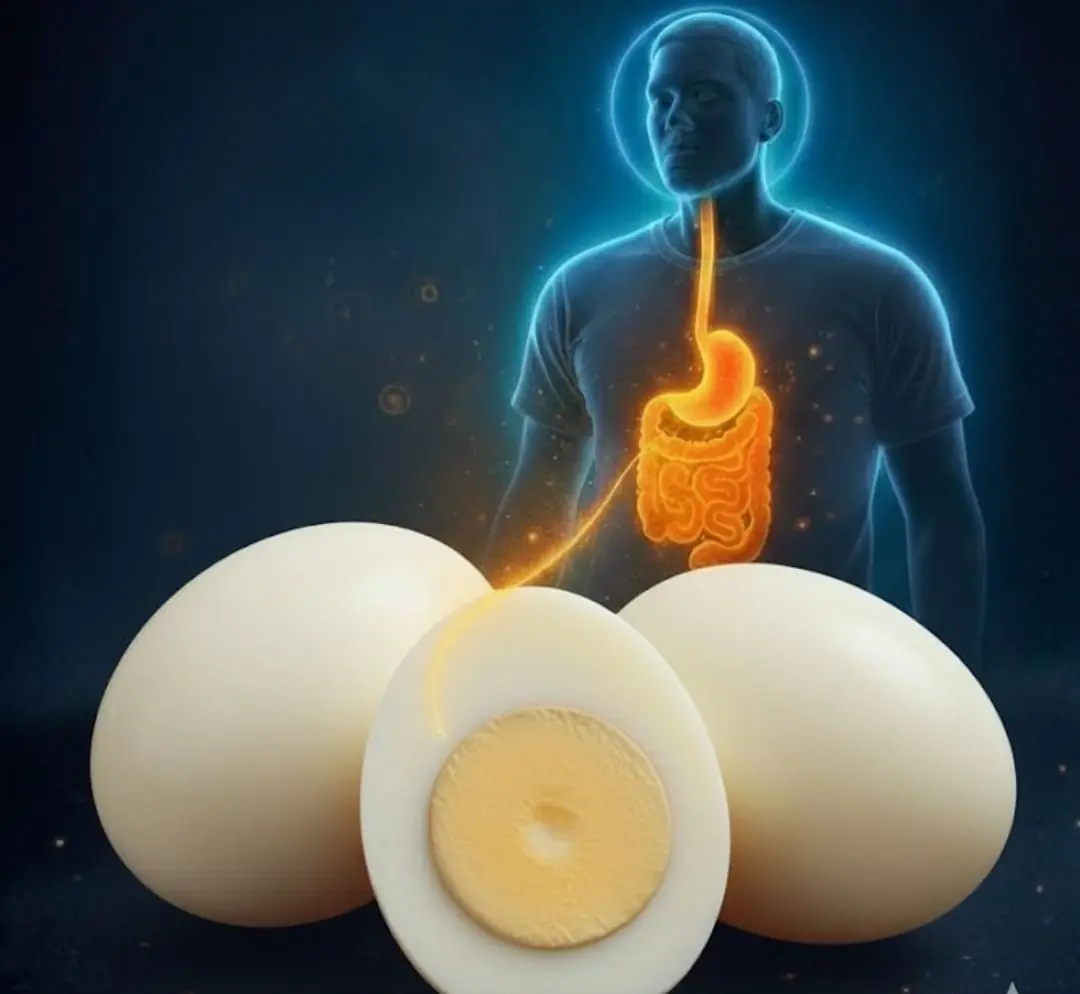
Eating three whole eggs every day can be surprisingly beneficial for digestion, brain health, muscle maintenance, and satiety—when part of a balanced diet.
Eggs are not a miracle food, nor are they the health risk they were once believed to be. As with most nutrition advice, the real power lies in balance, variety, and listening to the body.
Sometimes, simple foods deliver the most unexpected results.