A glowing brain inside a dark silhouette, a second brain topped with a bright “battery,” and a bold headline: The Workplace Health Trend of 2026 Is Strengthening Your Mind Before You Reach Burnout. The image is blunt—modern work can drain cognitive energy the way a phone drains power. But the “battery” symbol also suggests hope: with the right habits and systems, the mind can be recharged and protected.
Burnout isn’t new, but the response is changing. For years, many workplaces treated burnout like an emergency—offering support only after employees were already exhausted, disengaged, or unwell. In 2026, the emerging focus is prevention: building “mental fitness” the way we build physical fitness—before things break.
Why prevention is becoming the priority
Burnout has costs that are hard to ignore: lower performance, higher turnover, more sick days, and increased risk of anxiety and depression symptoms. With hybrid work blurring boundaries and always-on communication keeping brains in “alert mode,” many workers don’t realize they’re burning out until they’re already deep in it.
The new trend reframes mental health at work as a capacity issue, not a character flaw. Instead of asking, “Why can’t you handle the pressure?” forward-thinking teams ask, “What systems are draining energy—and how do we restore it early?”
What “strengthening your mind” actually means
The phrase can sound vague, so it helps to break it down into practical elements. In workplace wellness programs, “mental fitness” usually includes:
1) Early warning awareness
Training employees and managers to recognize early burnout signs: irritability, emotional numbness, trouble concentrating, cynicism, poor sleep, increased mistakes, or feeling “tired but wired.” The goal is not self-diagnosis—it’s noticing patterns early enough to adjust workload, boundaries, or support.
2) Micro-recovery habits
Short, repeatable resets that prevent stress from stacking all day:
-
60–120 seconds of slow breathing between meetings
-
brief walks or sunlight breaks
-
eye rest (20–20–20 rule) to reduce screen fatigue
-
hydration and real lunch breaks (not eaten while emailing)
These habits sound small, but they interrupt the constant stress loop.
3) Focus training and attention protection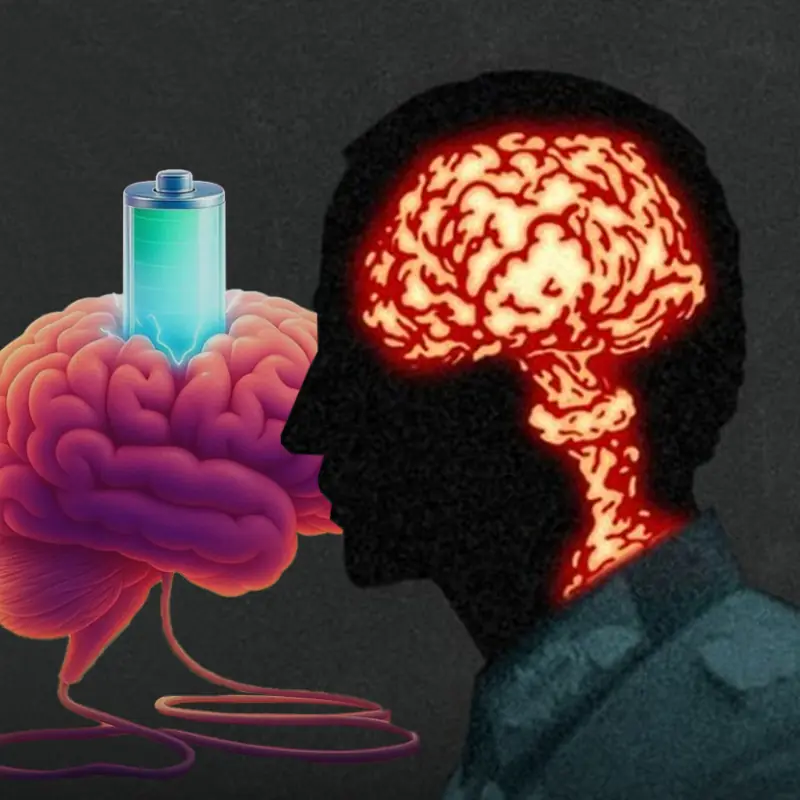
Burnout isn’t only about working long hours; it’s also about fragmented attention. Frequent pings, context switching, and meeting overload drain the brain’s executive function. Many companies are experimenting with “focus blocks,” meeting-free windows, and async-first practices to protect deep work.
4) Resilience skills that are evidence-informed
High-quality programs borrow from cognitive behavioral tools, acceptance and commitment strategies, and mindfulness—not as “positive vibes,” but as skills:
-
reframing unhelpful thoughts (“If I don’t respond instantly, I’ll fail”)
-
learning to tolerate discomfort without spiraling
-
practicing self-compassion to reduce perfectionism and shame cycles
5) Psychological safety and better management
No amount of breathing exercises can fix a toxic environment. Prevention only works when leadership addresses the root drivers: unclear priorities, poor staffing, chronic urgency, and cultures that reward overwork.
What employees can do today (even without company programs)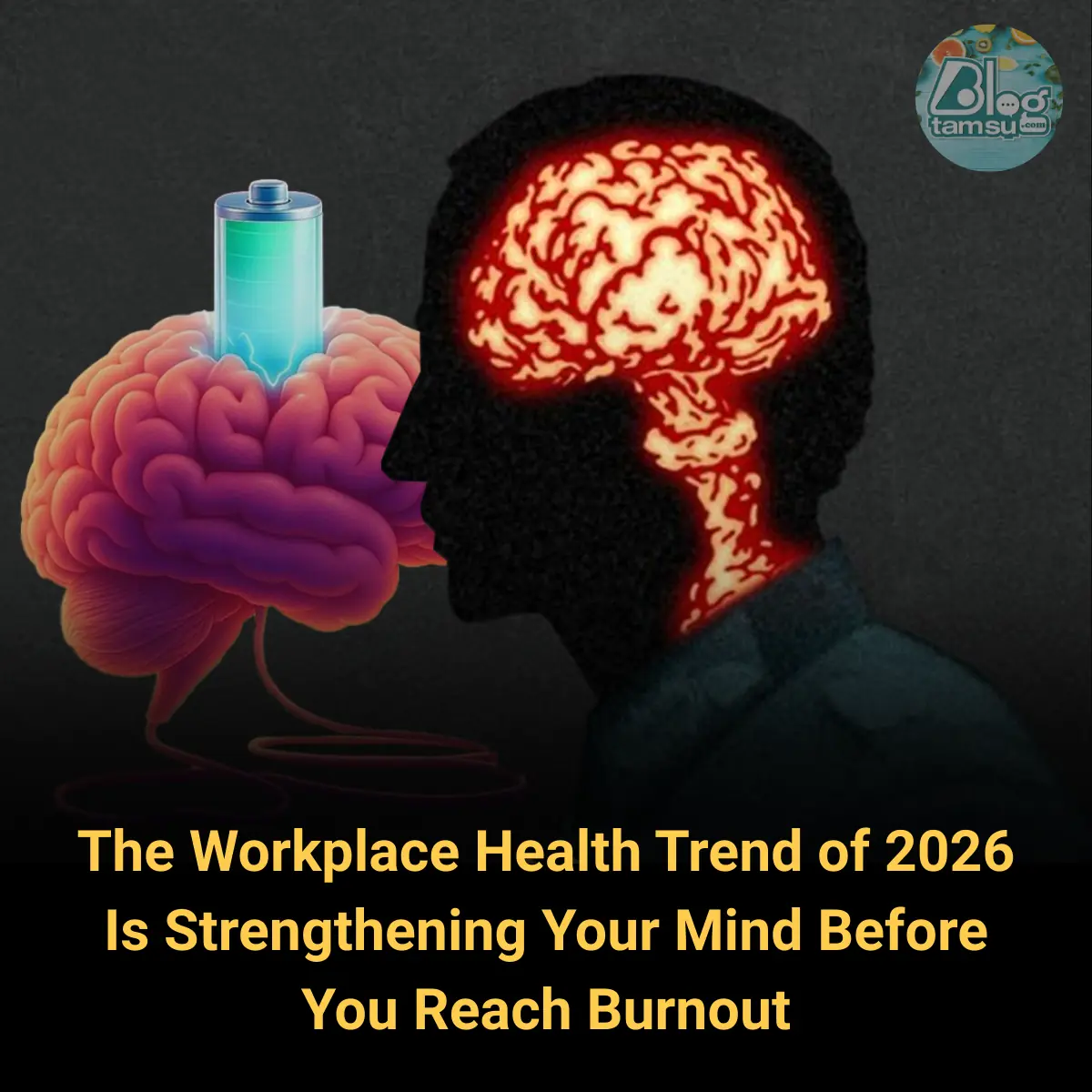
You don’t need a corporate initiative to start protecting your mental energy. These are practical steps that align with the “pre-burnout” approach:
-
Name your top 2 stressors. Is it meeting overload, unclear expectations, nonstop notifications, or lack of recovery time? Identifying the driver matters more than generic advice.
-
Set one boundary that sticks. Examples: no Slack after 7 p.m., no meetings before 10 a.m., or one lunch break away from your screen.
-
Batch communication. Check email and messages at set times instead of reacting constantly.
-
Use a daily “battery check.” Rate your energy 1–10 at midday and end of day. If you’re trending down for a week, treat it as a signal, not a failure.
-
Ask for clarity. Burnout accelerates when you’re juggling invisible work. Ask, “What is the priority this week?” and “What can wait?”
What companies are adding in 2026
The prevention trend is also changing benefits and policies. Examples include:
-
mental health days that are normalized, not stigmatized
-
coaching or therapy access with shorter wait times
-
workload audits and staffing checks during peak periods
-
manager training to spot overload early
-
“right to disconnect” norms (or at least, clear after-hours expectations)
The strongest programs combine individual skills + structural change. If it’s only yoga classes while workload keeps rising, employees will see it as PR, not support.
Red flags to watch for
As mental fitness becomes trendy, some workplaces may overreach:
-
Surveillance disguised as wellness (tracking productivity or mood without consent)
-
Blaming employees for burnout (“Use the app more”) instead of fixing workload
-
One-size-fits-all solutions that ignore different roles, personalities, and life situations
Wellness should empower people, not monitor them.