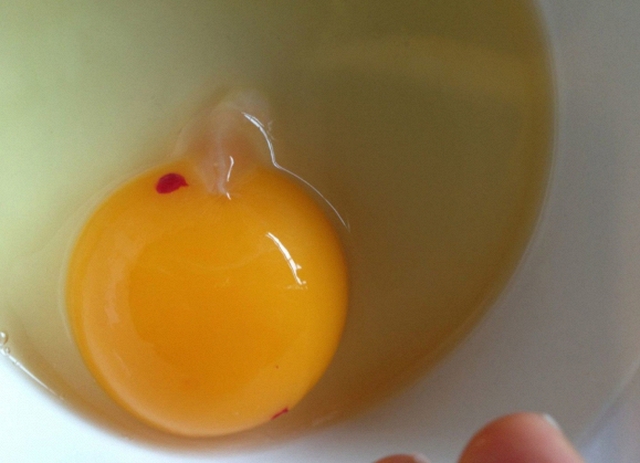
If you see these 4 types of eggs at the market, don’t buy them no matter how cheap they are: they can cause stomach pain and silently harm your health
These are eggs that do not meet quality and food safety standards.
When going to markets or supermarkets, eggs are a familiar food because they are easy to cook, reasonably priced, and nutritious. However, eggs are also a “sensitive” food group: improper storage, being kept for too long, or coming from unreliable sources can significantly reduce their quality and even pose food safety risks. Therefore, in addition to choosing reputable sellers, buyers should be able to identify “eggs you shouldn’t buy”:
1. Eggs of unclear origin, sold loosely with little or no basic information
In many places, eggs are sold in baskets or loose trays without labels indicating the place of production, packing date, or expiration date. With this type of egg, the issue is not only whether the eggs are tasty, but also the transportation and storage conditions: they may have been exposed to high temperatures, humidity, direct sunlight, or dust. Consumers are often advised to prioritize eggs with clear origins and information, and to avoid buying eggs sold at unhygienic locations or places where quality cannot be controlled.
2. Abnormal eggshells
One of the easiest ways to assess egg quality is by looking at the shell surface. Consumers should avoid eggs with very dirty shells, heavily stained, or smeared with droppings. Eggshells can carry bacteria, and when they are heavily soiled, the risk of cross-contamination during transport, storage, and cooking increases—especially if eggs are stored near cooked foods or handled improperly. In many common recommendations, eggs with very dirty shells are classified as ones not worth buying because they are unhygienic and make it difficult to ensure internal quality.
3. Eggs that are no longer fresh
You should not buy eggs that show signs of being old or lacking freshness. An easy-to-spot sign is an eggshell that looks too smooth and glossy, feeling unusually slippery. Experienced buyers note that fresh eggs usually have a slightly rough surface or a thin powdery coating, while older eggs tend to become shinier as the natural protective layer on the shell changes over time and with storage conditions. Although a shiny shell does not always mean the egg is spoiled, it is still a warning sign—especially when accompanied by other indicators such as the egg feeling light, having an unusual smell, or being displayed in hot conditions.
4. Eggs with unusual signs
Eggs with dark spots, unusually pale areas on the shell, or a “strange-looking” surface are also often advised against. These signs may be related to eggs being stored too long, damaged by impact, or kept under poor conditions. When faced with many trays of eggs, the safest choice is to select eggs with intact shells, relatively clean surfaces, uniform coloring typical of the poultry breed, and to avoid eggs with obvious abnormal marks.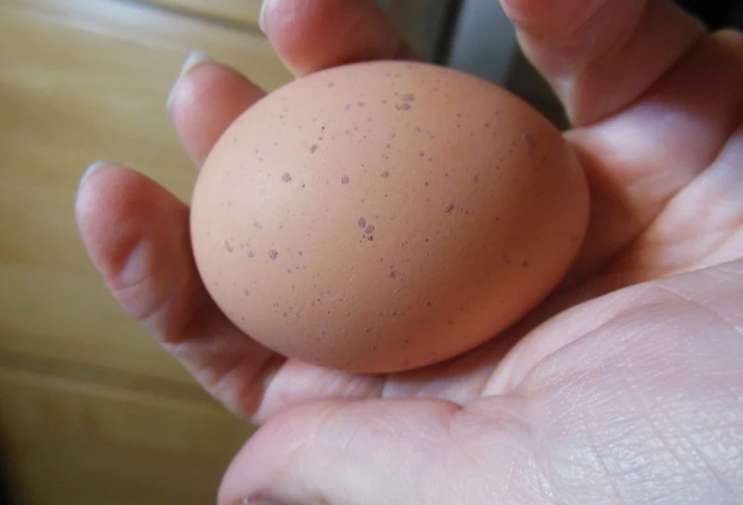
Another simple checking method is to candle the egg under a light (you can use your phone’s flashlight). Many guides note that the older the egg, the larger the air cell; therefore, if you see a large air pocket, a clearly defined outline, or unusual internal signs, it’s best to leave that egg out of your basket. In some cases, candling may reveal grayish, cloudy, uneven areas inside—these are also warning signs that may indicate poor-quality eggs or internal changes. While candling cannot replace professional testing, it is a useful screening step when buying in larger quantities.
Notes
Special care should be taken to avoid eggs that have been improperly stored, especially eggs that have been frozen and thawed multiple times. According to consumer warnings, repeated freezing and thawing can reduce egg quality and increase hygiene risks due to condensation on the shell, microscopic shell cracks, or conditions that allow bacteria to enter if handling is not hygienic. Buyers may not be able to fully identify this with the naked eye, but they can infer potential risks if eggs are stored in unsuitable conditions, appear damp or wet on the surface, or if the stall shows signs of inconsistent storage.
You should also avoid placing absolute trust in yolk color as a measure of quality. Yolk color can be influenced by animal feed and other factors, and a darker red yolk does not necessarily mean the egg is more nutritious. Therefore, if you encounter eggs with unusually strange colors, it is best to prioritize eggs from clear, well-controlled sources rather than choosing based on appearance or instinct.
Just a few extra seconds of observation can significantly reduce the risk of buying low-quality eggs, helping to protect family meals so they are both delicious and safe.