Learn how to identify venomous vs. harmless snakes in case you need to escape quickly
Simple ways to recognize venomous snakes and protect yourself in the wild

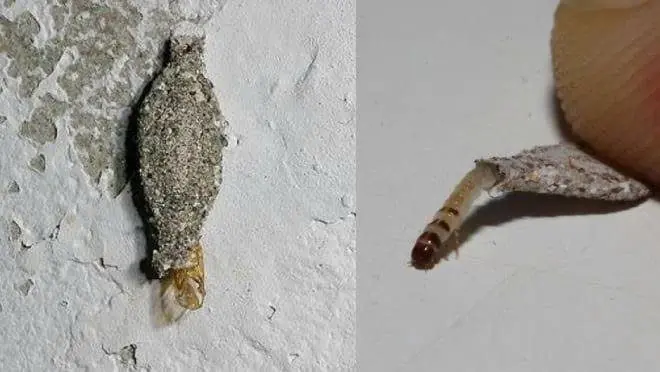
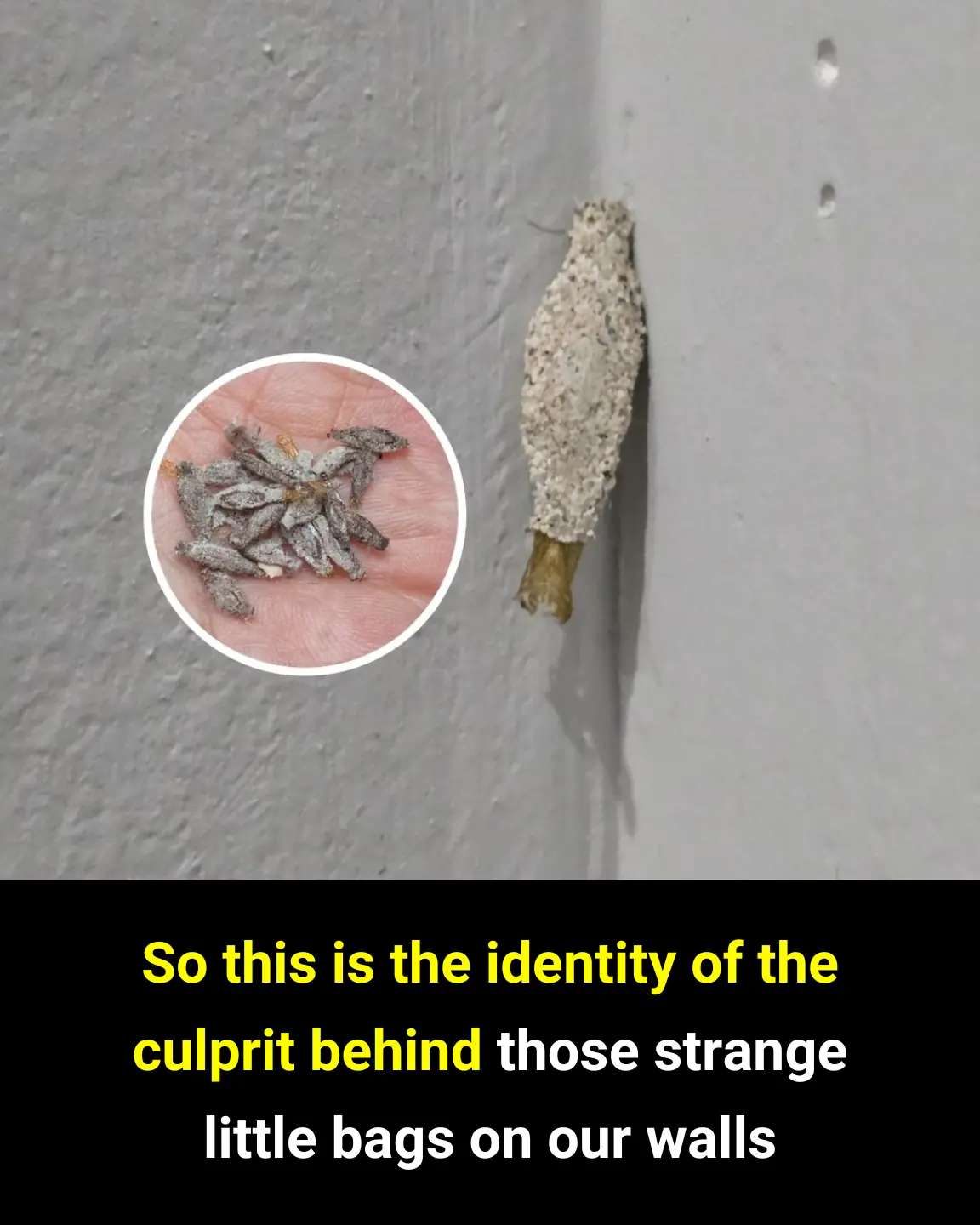
If you’ve ever noticed small, oval-shaped “bags” clinging to your walls, curtains, or even ceilings, you might have wondered what they are. At first glance, they look like tiny cocoons, dirt clumps, or even stray lint. But in reality, these mysterious cases belong to an insect known as the bagworm (also called housecase moth larvae).
Bagworms are larvae of moths that build protective cases around themselves using silk combined with materials from their environment, such as dust, lint, hair, and debris. This case acts like armor, allowing them to move around while staying hidden inside. Because they camouflage so well, many homeowners mistake them for harmless dirt until they notice them moving.
These larvae are often found indoors, especially in warm and quiet places. They cling to walls, curtains, furniture, or ceilings, making them difficult to detect until an infestation becomes visible.
Bagworms typically thrive outdoors, feeding on trees and plants. However, certain species adapt to indoor environments. They feed on natural fibers such as wool, silk, and fur, as well as dust particles and hair. This explains why they are often found near wardrobes, closets, and upholstered furniture.
Their presence indoors can be linked to:
Poor ventilation and accumulated dust.
Clothes or items stored for long periods without cleaning.
Cracks and entry points that allow moths to enter and lay eggs.
While bagworms are not directly harmful to humans, they can damage fabrics and natural materials in your home. Over time, a large infestation may ruin clothing, carpets, and upholstery. Their presence can also be distressing due to their unusual appearance and tendency to multiply quickly.

1. Physical Removal: Pick them off walls and surfaces manually and dispose of them.
2. Vacuuming: Regular vacuuming reduces dust, lint, and fibers that serve as food sources.
3. Washing Fabrics: Clean clothes, curtains, and upholstery regularly to prevent larvae from feeding.
4. Natural Repellents: Use essential oils like lavender, cedarwood, or peppermint, which deter moths and their larvae.
5. Pest Control: In severe infestations, calling professionals ensures thorough elimination.
Seal cracks and entry points in walls and windows.
Store clothes in airtight containers.
Use moth repellents in wardrobes.
Maintain regular cleaning to minimize food sources for larvae.
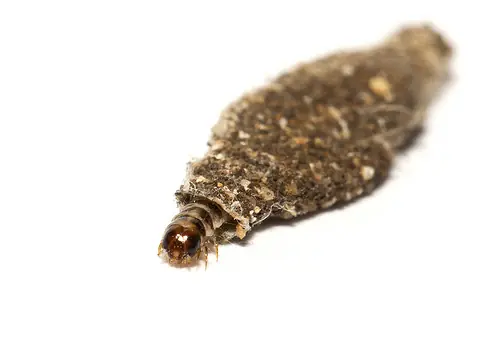
Those “strange little bags” on your walls aren’t just random di.rt - they are actually protective cases made by bagworm larvae. While they’re not dangerous to your health, they can cause damage to fabrics and create discomfort in your home. By recognizing their identity and addressing the problem early, you can prevent them from spreading and keep your living space clean and comfortable.
Next time you spot one of these tiny hanging cases, you’ll know it’s more than just debris - it’s a little insect in disguise.
Simple ways to recognize venomous snakes and protect yourself in the wild

Boiling garlic at home may freshen air naturally

The hidden washing machine part you should clean monthly

One small change in storage = tomatoes stay fresh for weeks!

Stop wasting time scrubbing — try this method instead!

Why opening your car windows might be costing you more than you think.

Are you leaving it overnight? Here’s why that could be risky.

The real story behind the black vein in shrimp: What it actually is and whether it’s safe to eat?

8 Landscaping Choices That May Encourage Snakes to Hide Nearby

A powerful 2-ingredient solution that beats bleach at removing grout mold

Dealing with a fridge leak? Practical fixes and longevity tips you should know

Keep Ginger Fresh for Up to 6 Months with This Easy Storage Trick

Don’t toss your peeling non-stick pan yet—try this simple kitchen trick first.

A healthier home hack: Clean every room with one natural solution

Brighten your smile naturally with simple kitchen ingredients you already have at home.

Stop throwing away eggshells

Are tiny bugs invading your kitchen? Here’s how to finally get rid of gnats for good

3 smart and safe approaches to defrost fish quickly without compromising texture

The finger you slice first may hint at hidden traits you didn’t notice before

How to respond to a snake bi.te: Critical first steps and the reasons behind them

Itchy Ears? Beware of Juvenile Spring Eruption

Simple ways to recognize venomous snakes and protect yourself in the wild

Serious Health Clues Hidden in Your Nasal Symptoms

10 powerful health benefits of Dog Rose (Rosa canina) and the best ways to use it

Don’t ignore this unusual sign in your body - it may indicate late-stage nasopharyngeal can.cer

Is tilapia really good for you? Some facts might make you think twice

White Coating on Your Tongue? Here’s What Your Body Might Be Telling You

3 overlooked spousal habits that may put wives at greater risk for cer.vical can.cer - awareness matters

The 3-Hour Rule Before Bed: A Simple Habit for Better Blood Pressure and Blood Sugar

These 5 strange signs could be warning signals of dia.betes - don’t ignore them

Why People in Japan Sleep on the Floor and 5 Reasons to Give It a Try

7 Important Signs Your Body Is Crying Out for Help

Taro: The Underrated Superfood That Could Transform Your Energy, Digestion, and Overall Wellness

At just 20 years old, Linh Nguyen (name changed), a young and passionate teacher at a local elementary school, passed away from liver cancer — a disease typically associated with older individuals or those with long-term health issues.

Cancer is one of the leading causes of death worldwide, but the good news is that certain foods contain powerful compounds that may help prevent and even fight cancer.

Magnesium is an essential mineral in the human body, playing a critical role in over 300 enzymatic processes.

Three Morning Habits Young People Often Ignore That Can Seriously Dam:age Their Kidneys — Quit These Now

If Your Parent Shows These 4 Signs, It May Be Time to Prepare

7 Signs Your Kidneys Are Working Well — Check Yourself

Have you ever been drifting off to sleep when suddenly your body jolts as if you’re falling?