Lung cancer is often described as a “silent disease” because it can develop quietly, without obvious warning signs in its early stages. Many
people do not experience a persistent cough, chest pain, or breathing difficulties until the disease has already progressed. Yet the body
sometimes sends subtle external signals long before respiratory symptoms appear and surprisingly, some of those signs can show up in
the fingers and nails.
These changes may occur due to reduced oxygen delivery, hormonal disturbances, or substances released by cancer cells that affect blood
vessels and connective tissue. While finger changes alone do not confirm lung cancer, they should never be ignored, especially in people
with known risk factors such as smoking, long-term exposure to air pollution, or occupational hazards.
Below are four finger-related warning signs that may be associated with lung cancer, along with guidance on when and how to act.
1. Digital Clubbing (Finger Clubbing)
The most recognized finger sign linked to lung cancer
Digital clubbing refers to visible changes in the shape of the fingertips and nails. Over time, the fingertips become enlarged and rounded,
while the nails curve downward and wrap around the finger pads. This change may develop slowly or progress surprisingly fast.
Why it happens
Certain lung tumors release growth factors and inflammatory substances that stimulate abnormal tissue growth in the fingertips. In addition,
chronic low oxygen levels caused by lung damage can contribute to these structural changes.
Common features include:
-
Rounded, swollen fingertips
-
Soft or spongy nail beds
-
Nails that curve more than normal
-
A “drumstick-like” appearance in advanced cases
Digital clubbing is not exclusive to lung cancer, but it is strongly associated with serious underlying conditions such as:
-
Lung cancer
-
Chronic lung infections
-
Pulmonary fibrosis
-
Certain heart diseases
If clubbing appears suddenly or worsens over time, medical evaluation is essential.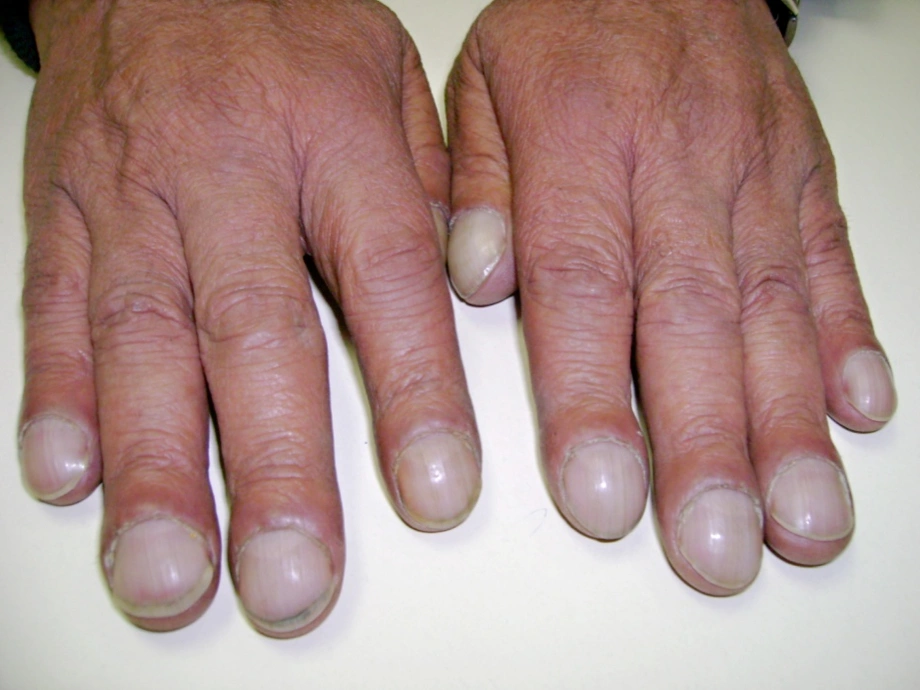
2. Loss of the Schamroth Window
A simple self-check that may reveal early changes
The Schamroth window test is an easy way to detect subtle finger clubbing at home. Place the nails of your index fingers together, nail to
nail. Under normal conditions, a small diamond-shaped gap appears between them.
What it means if the gap disappears
When this “window” closes or disappears entirely, it may indicate early digital clubbing—a finding that has a well-documented link to lung
disease, including lung cancer.
Why this test is useful:
-
It is quick and non-invasive
-
It can reveal changes before respiratory symptoms begin
-
It highlights subtle swelling that may otherwise go unnoticed
If the Schamroth window is no longer visible, you should arrange a medical check as soon as possible.
3. Thickened or Distorted Nails
Changes related to impaired oxygen delivery
Healthy nails depend on consistent blood flow and oxygen supply. Lung cancer can interfere with oxygen circulation, leading to noticeable
nail abnormalities.
Warning signs include:
-
Nails becoming unusually thick or hard
-
Slower nail growth
-
Warped, ridged, or misshapen nails
-
Partial separation of the nail from the nail bed
Although nail changes are often caused by fungal infections, skin conditions, or aging, persistent or unexplained nail distortion deserves
professional evaluation - particularly when combined with other symptoms or risk factors.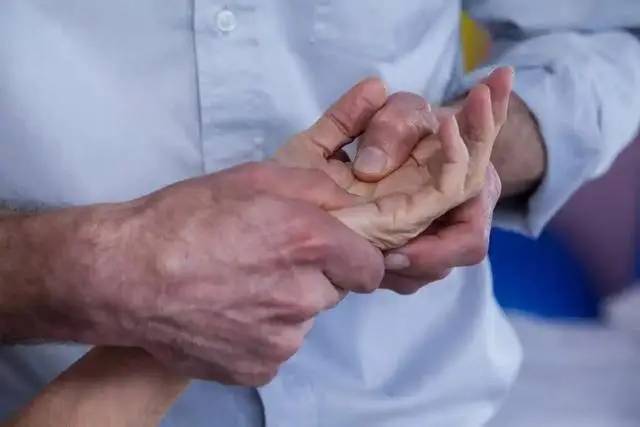
4. Pain, Warmth, or Softness in the Fingertips
Early inflammatory signals that should not be ignored
Some people with lung cancer report tenderness, warmth, or a throbbing sensation in the fingertips. The nail beds may feel soft or “spongy”
when pressed.
Possible signs include:
-
Finger pain without injury
-
Increased warmth in the fingertips
-
A pulsing or pressure-like sensation
-
Softened tissue beneath the nails
These symptoms may be linked to abnormal blood flow or inflammatory responses triggered by cancer-related changes in the body. If they
persist, they warrant medical attention.
Why Finger Changes Matter
Finger and nail abnormalities can appear before classic lung cancer symptoms, offering an early window for detection. Recognizing these
signs may prompt earlier testing - when treatment options are more effective and outcomes are significantly better.
If you notice any of these changes, especially alongside known risk factors, a healthcare provider may recommend:
-
A chest X-ray
-
Low-dose CT scanning
-
Lung function testing
-
Blood work
Early diagnosis can dramatically improve survival rates.
How to Reduce Your Risk of Lung Cancer
While not all cases are preventable, many steps can significantly lower risk.
1. Quit Smoking
Smoking accounts for the vast majority of lung cancer cases. Quitting:
-
Reduces risk substantially within a few years
-
Improves lung function
-
Protects others from secondhand smoke
It is never too late to quit.
2. Avoid Secondhand Smoke
Long-term exposure to passive smoke raises lung cancer risk by up to 30%. Keep homes and workplaces smoke-free whenever possible.
3. Limit Exposure to Air Pollutants
Major risks include:
-
Radon gas (a leading cause in non-smokers)
-
Asbestos
-
Industrial chemicals
-
Heavy air pollution
Testing homes for radon and improving indoor air quality can make a meaningful difference.
4. Support Immune Health Through Nutrition
A nutrient-rich diet helps reduce inflammation and repair cellular damage. Focus on:
-
Leafy greens and cruciferous vegetables
-
Berries and citrus fruits
-
Omega-3-rich foods
-
Garlic, turmeric, and other anti-inflammatory foods
5. Stay Physically Active
Regular exercise improves lung capacity, circulation, and immune response. Aim for at least 150 minutes of moderate activity per week.
6. Get Regular Screenings if You’re High Risk
Annual low-dose CT scans are recommended for people with significant smoking history or prolonged exposure to lung irritants. These scans
have been proven to reduce lung cancer mortality through early detection.
Final Thoughts
Your fingers can reveal more about your health than you might expect. Changes such as clubbing, nail thickening, distorted nail growth, or
fingertip pain may serve as early signals of lung cancer, appearing long before breathing problems arise.
Paying attention to these subtle signs and acting on them promptly can make a life-saving difference. Combined with healthier lifestyle
choices and appropriate screening, early awareness remains one of the strongest tools for protecting lung health.