What researchers are now discovering is both surprising and concerning.
Recent studies have found that people who habitually suppress their emotions, avoid conflict, or relentlessly aim to please others show elevated levels of stress hormones, particularly cortisol. This prolonged emotional suppression can disrupt the body's natural processes, and in turn, the immune system may become confused. When this happens, it begins to attack healthy cells, mistaking them for harmful invaders. This phenomenon has been associated with a range of autoimmune diseases, including lupus, rheumatoid arthritis, and Hashimoto’s thyroiditis. These conditions are often exacerbated by long-term emotional burnout and the inability to establish healthy personal boundaries.
The connection between emotional strain and autoimmune conditions goes beyond mere mental exhaustion—it creates a state of biological chaos. Living in a constant state of emotional pleasing means the body is never allowed to fully relax. As stress levels rise, cortisol remains high, and inflammation increases throughout the body. In this heightened state of stress, the immune system no longer functions as it should, leading to its malfunction and the eventual attack on the body’s own cells. What results is an internal conflict between the desire to seek external validation and the body’s desperate need for internal peace.
Understanding this, it's clear that healing begins with the ability to say "no." Embracing self-care and practicing emotional honesty is not an act of selfishness—it’s a crucial step in protecting your health. Setting boundaries is essential for maintaining balance, both mentally and physically. Far from pushing others away, setting limits protects your energy, enables you to recharge, and restores equilibrium to your immune system.
This new understanding of the mind-body connection serves as an important reminder: self-care is not a luxury; it’s a necessity. Next time you feel guilty for prioritizing your own well-being or saying no to someone’s request, remember that your body listens to every emotion you suppress. It is not weakness to rest or take care of yourself—it is, in fact, one of the most powerful decisions you can make for your health. The strongest action you can take is to recognize that prioritizing yourself isn’t a sign of selfishness, but a step toward healing.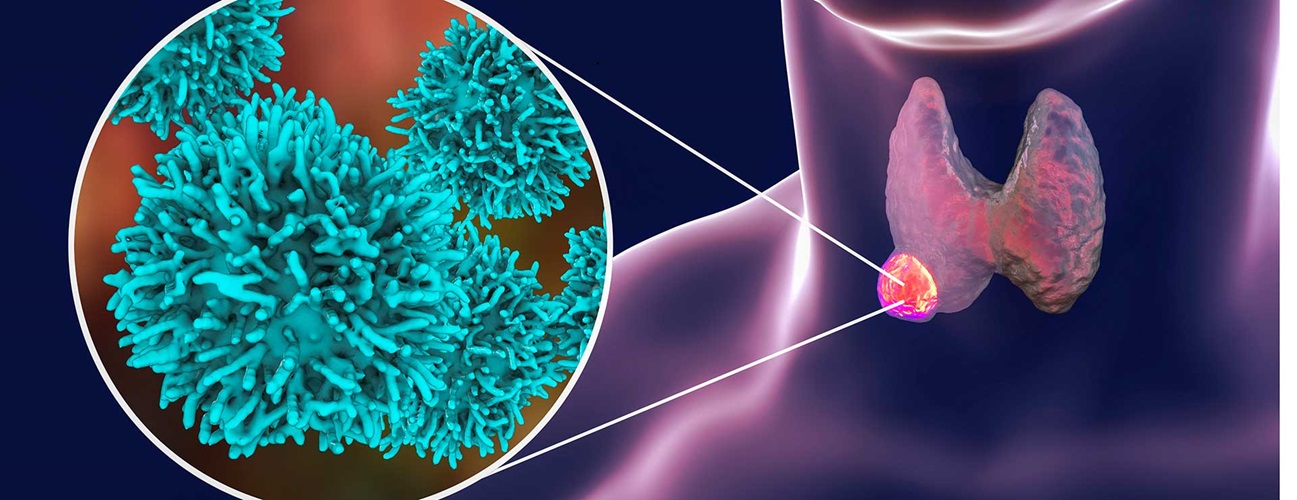
Sources:
-
“The Link Between Stress and Autoimmune Disease.” Harvard Health Publishing, 2020.
-
“Emotional Suppression and its Impact on the Immune System.” Journal of Psychosomatic Research, 2021.
-
“Chronic Stress and Its Role in Autoimmune Disorders.” National Institutes of Health (NIH), 2022.