A close-up photo of fresh, bright green stems fills the frame—exactly the kind of image that fuels wellness headlines. Over it, bold text claims that “people everywhere” are talking about a vegetable believed to have extraordinary cancer-fighting power. Posts like these often add a dramatic twist—phrases such as “100 times better than drugs”—and the message spreads fast.
The truth is more nuanced, but still worth knowing: many vegetables contain bioactive compounds that can influence cancer-related processes in the body, especially vegetables in the cruciferous family. Yet no single food can “beat” cancer on its own, and viral claims often confuse early lab findings with real-world treatment outcomes. As MD Anderson Cancer Center puts it, there is no food that can starve a cancer cell or reduce risk to zero—healthy eating can help lower risk, but it’s not a cure.
Which vegetable is this likely referring to?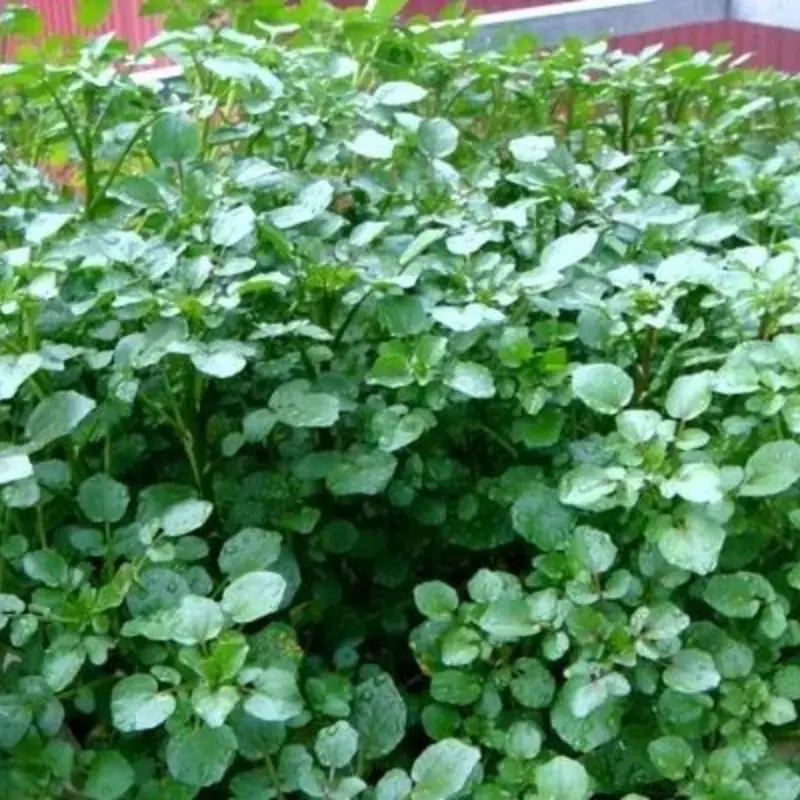
The plant in the image looks like watercress—a peppery green (often called cải xoong) commonly used in salads, soups, and stir-fries. Watercress belongs to the cruciferous vegetable family, along with broccoli, cabbage, kale, cauliflower, and Brussels sprouts.
Cruciferous vegetables have been studied for decades because they contain glucosinolates. When you chop or chew them, these compounds can be converted (via enzymes such as myrosinase) into isothiocyanates, which scientists study for potential roles in cancer prevention.
Why the science sounds exciting
Some of the strongest “wow” headlines come from lab studies. In cell cultures or animal models, certain cruciferous compounds can:
-
affect how cells handle oxidative stress
-
influence inflammation pathways
-
support detoxification enzymes involved in processing carcinogens
-
slow growth of some cancer cells under experimental conditions
Watercress is especially known for a compound called phenethyl isothiocyanate (PEITC). PEITC has been studied for its ability to interfere with activation of certain tobacco-related carcinogens in animal models, and it has even been investigated in human-focused research contexts.
There are also clinical and research efforts exploring watercress as part of broader nutritional approaches in cancer care settings, including investigations related to biomarkers and DNA damage modulation (research outcomes are still limited and not the same as “proving a cure”).
What the science does not prove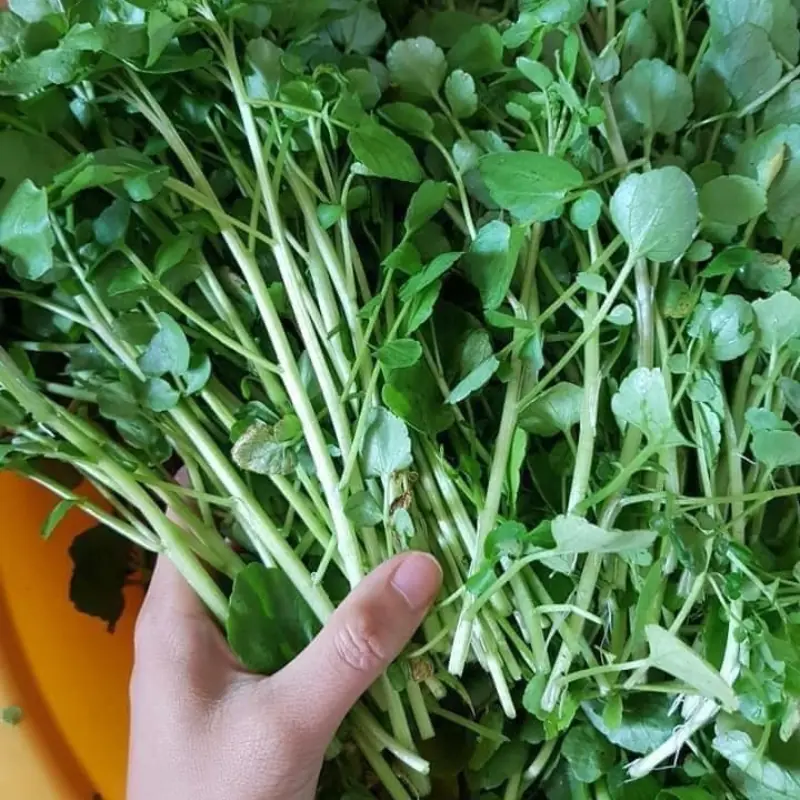
Here’s the key gap: what works in a petri dish doesn’t automatically work in humans.
Human evidence on cruciferous vegetables and cancer risk is encouraging but mixed. The U.S. National Cancer Institute notes that studies in people have shown mixed results regarding associations between cruciferous vegetable intake and cancer risk. This doesn’t mean cruciferous vegetables are “useless”—it means cancer is complex and diet is only one factor among genetics, environment, infections, smoking, alcohol, weight, and more.
It also means headlines like “100 times better than drugs” are almost always misleading. Those comparisons typically come from laboratory concentrations that are not achievable through normal eating, or they compare different endpoints (e.g., killing cells in a dish vs. treating cancer in a patient). Food can support health, but it should never be framed as a substitute for evidence-based medical care.
So… should you eat it?
Yes—as part of an overall healthy pattern.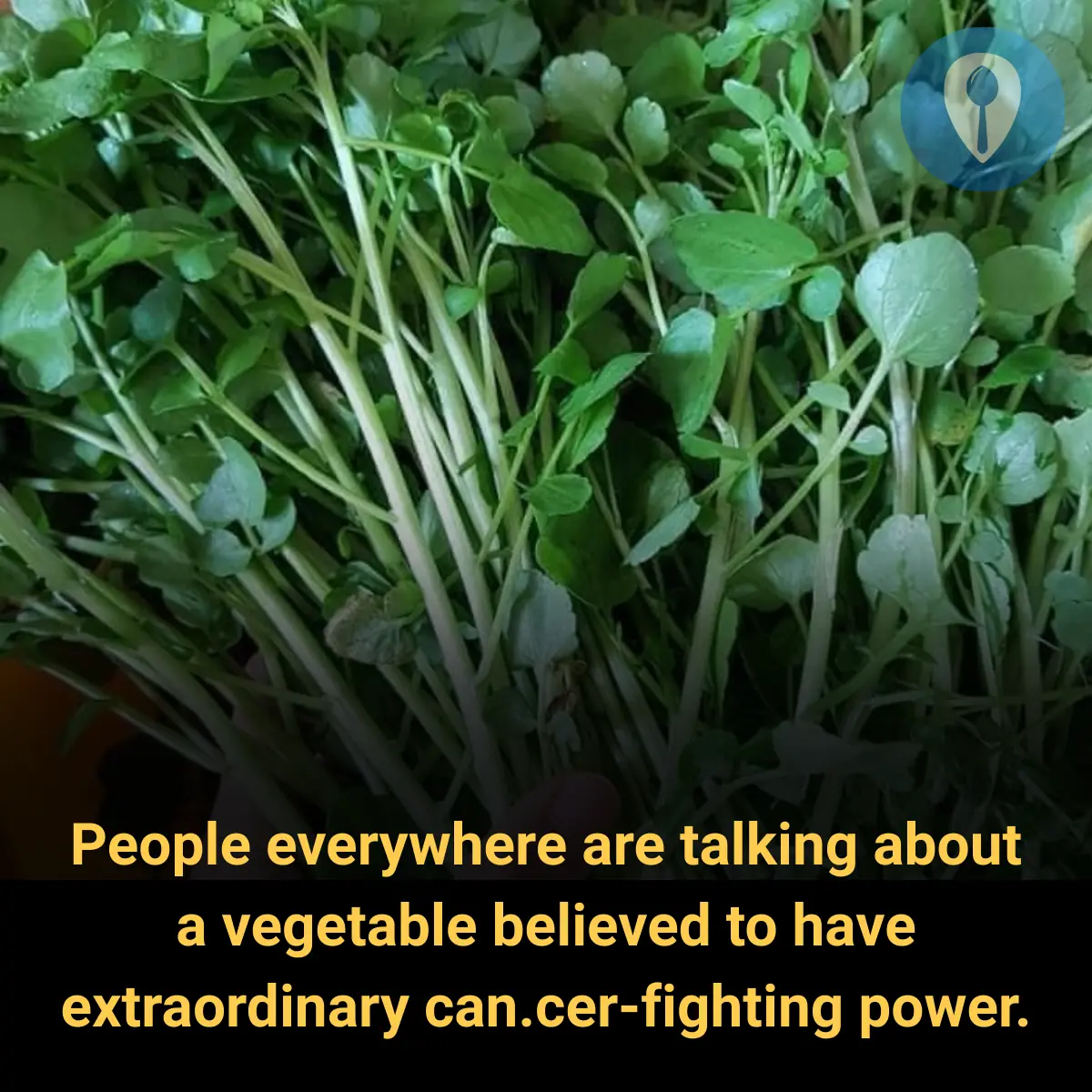
Cruciferous vegetables are nutrient-dense and linked in many studies to better long-term health. Even when cancer-specific findings vary, these vegetables provide fiber, vitamins, and phytochemicals that support metabolic health—important because obesity and chronic inflammation are risk factors for several cancers.
If you want to add watercress (or other crucifers) to your routine, practical tips include:
-
Eat a variety: rotate watercress, broccoli, cabbage, kale, and cauliflower instead of relying on one “miracle” food.
-
Chop before cooking: cutting and letting it sit briefly can help enzymatic conversion of glucosinolates (a general principle often discussed in crucifer prep).
-
Try it raw or lightly cooked: watercress works well in salads, sandwiches, soups added at the end, or a quick stir-fry.
-
Pair with other protective habits: don’t let “superfood” hype distract from the big levers—don’t smoke, limit alcohol, maintain a healthy weight, move regularly, and follow screening recommendations.
Who should be cautious?
Most people can safely eat watercress as food. But if you’re on certain medications (for example, blood thinners) or have thyroid issues, it’s smart to discuss major diet changes with a clinician—especially if you plan to dramatically increase cruciferous intake.