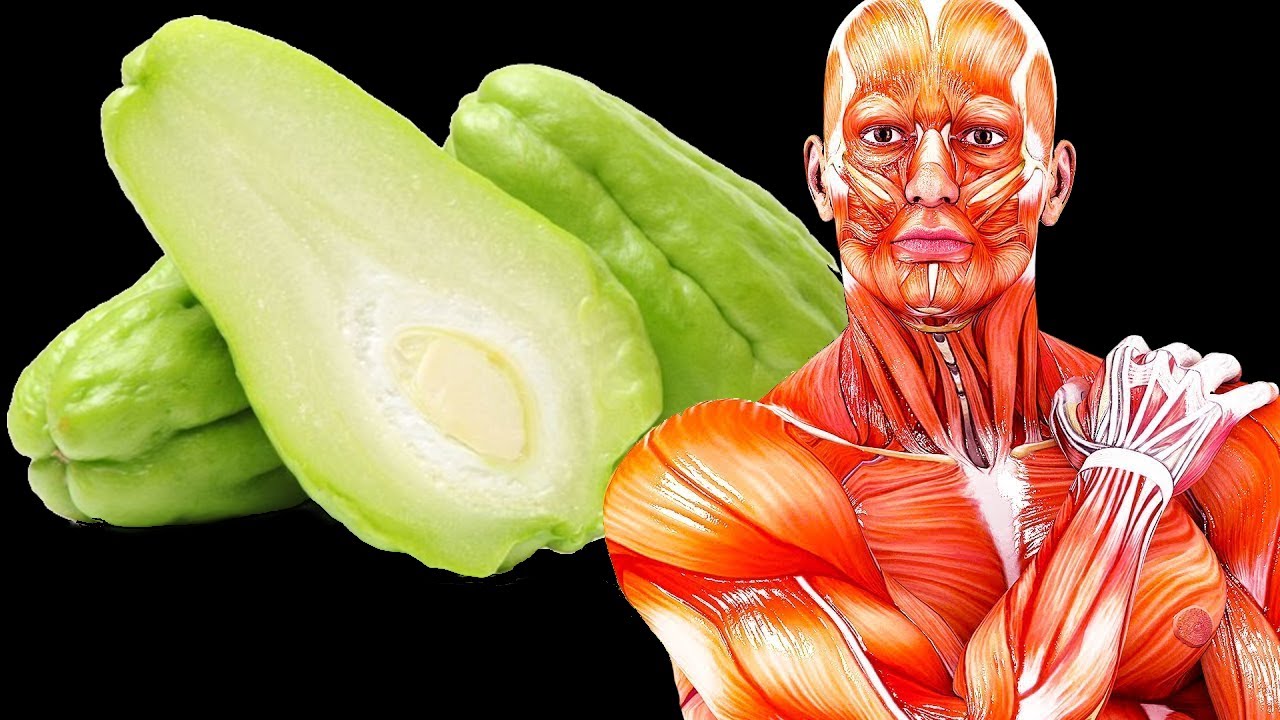
Stop Buying Pil.ls? The Chayote Craze Is Exploding—But Here’s the Truth Doctors Want You to Know
In recent months, a bold claim has gone viral across social media and wellness forums: “Stop buying pills at the pharmacy—chayote can eliminate knee pain, swollen feet, high blood pressure, cholesterol, poor circulation, and even anemia.”
It sounds revolutionary. One humble vegetable replacing an entire shelf of medications? The shock value is undeniable. But before you throw away your prescriptions, the real story behind chayote (also known as choko or vegetable pear) deserves a serious, professional look.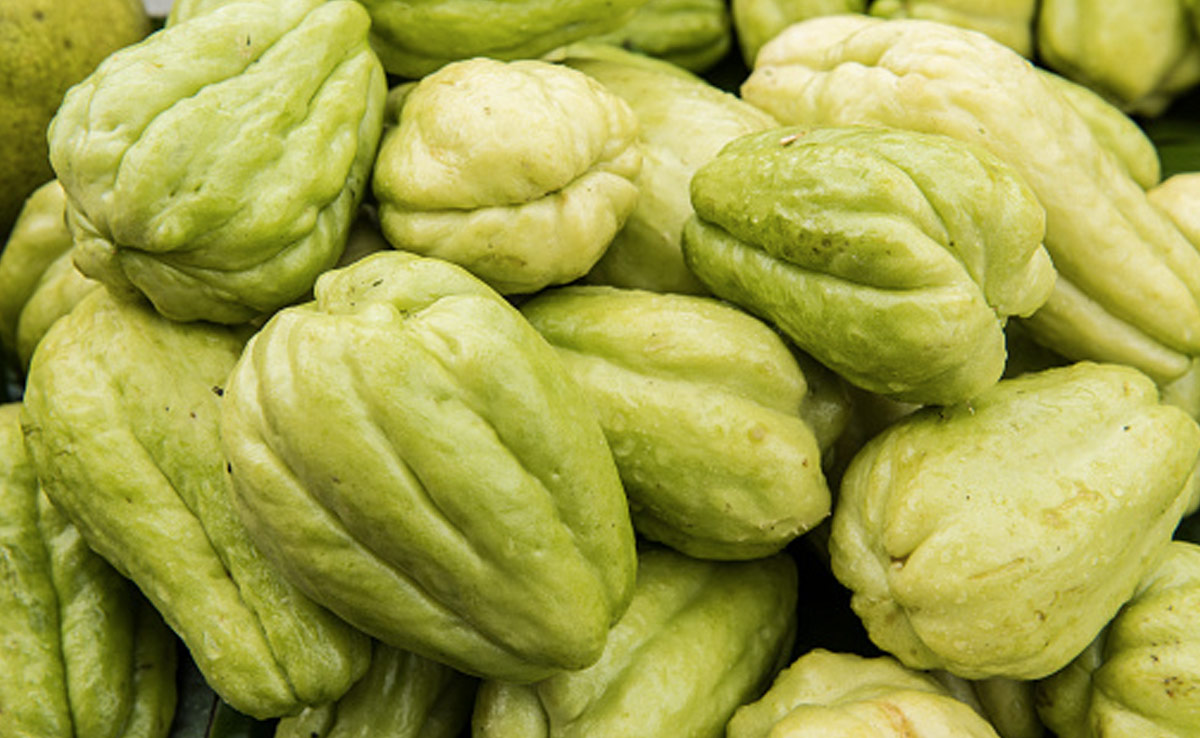
The Vegetable Behind the Hype
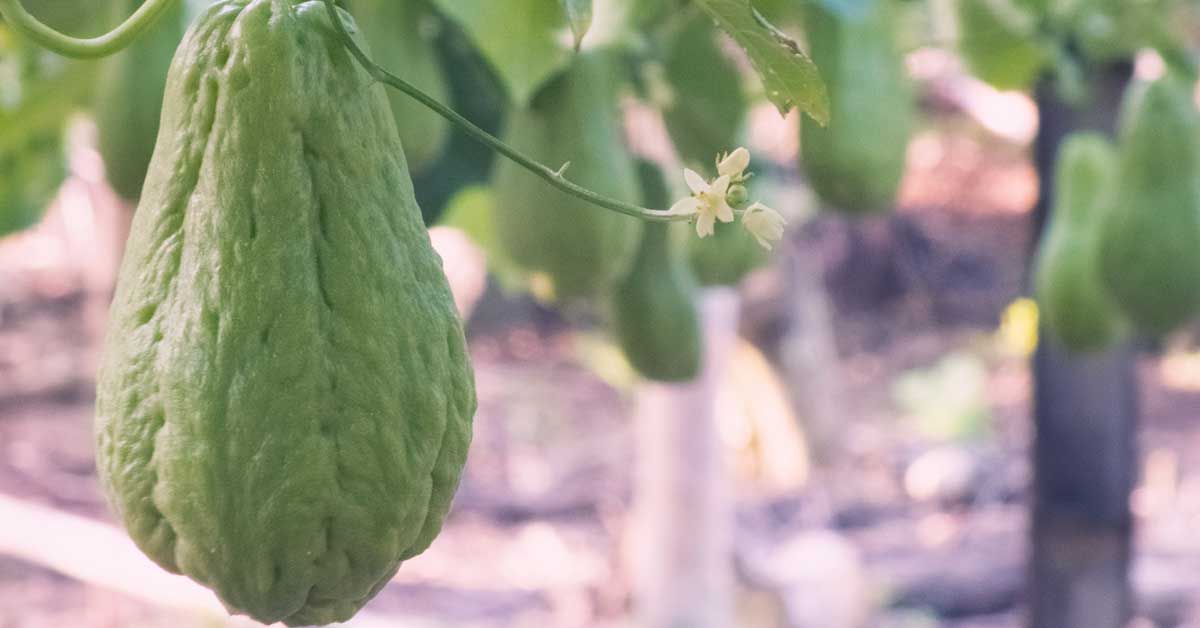
Chayote is a green, pear-shaped squash widely used in Southeast Asia, Latin America, and traditional diets around the world. For decades, it has been valued not as a miracle cure, but as a nutrient-dense, low-calorie food rich in fiber, potassium, vitamin C, folate, and antioxidants.
This nutritional profile explains why chayote has quietly earned a reputation as a supportive food for cardiovascular health, digestion, and inflammation—not a pharmaceutical replacement, but a powerful dietary ally.
Why People Say It “Reduces Knee Pain and Swollen Feet”
Chronic knee pain and swelling are often linked to inflammation, fluid retention, or poor circulation. Chayote contains antioxidants and potassium, both of which may help reduce water retention and support normal muscle and nerve function. In traditional medicine, it has been used as a mild diuretic, which can explain why some people notice less swelling in their legs and feet.
However, this does not mean chayote treats arthritis, joint degeneration, or underlying vascular disease. It may help ease symptoms for some people—but it does not repair joints or replace medical treatment.
Blood Pressure, Cholesterol, and Circulation: Where the Claims Come From
Chayote is naturally low in sodium and high in potassium, a combination known to support healthy blood pressure when consumed as part of a balanced diet. Its fiber content may help reduce LDL (“bad”) cholesterol by improving how the body processes fats.
Better circulation? That benefit likely comes indirectly. Improved blood pressure control, reduced inflammation, and better metabolic health can all support circulation over time. But again, this is supportive nutrition, not a cure for hypertension, atherosclerosis, or heart disease.
The Anemia Claim: Half Truth, Half Myth
Chayote contains small amounts of folate and vitamin C, which help the body absorb iron more efficiently. This can be beneficial for people with mild nutritional deficiencies. But chayote is not high in iron. For individuals with true anemia—especially iron-deficiency or chronic disease anemia—medical evaluation and targeted treatment are essential.
Calling chayote an “anemia eliminator” is misleading and potentially dangerous if it delays proper care.
Why the “Stop Buying Pills” Message Is Risky
Here’s the uncomfortable truth: no vegetable replaces medication for diagnosed conditions like high blood pressure, high cholesterol, anemia, or chronic joint disease. Pills exist because these conditions can be life-threatening when unmanaged.
What chayote can do is help reduce risk factors, support overall health, and—under medical guidance—sometimes lower the need for higher drug doses. That’s powerful, but it’s not magic.
Doctors and nutritionists agree on one point: the real danger isn’t chayote—it’s the belief that food alone can replace evidence-based treatment.
The Smarter, Safer Takeaway
Chayote deserves attention, but not worship. It is:
-
Affordable and widely available
-
Low-calorie and heart-friendly
-
Supportive for digestion, circulation, and inflammation
-
A valuable addition to diets for people managing chronic conditions
But it is not a cure-all, and it should never be used as an excuse to abandon prescribed medication without professional advice.
The Bottom Line
The shocking headline grabs attention for a reason—but the truth is more powerful. Chayote won’t replace your pharmacy, but it can help you rely on it less over time when combined with proper medical care, a balanced diet, and healthy lifestyle choices.
Real health isn’t about choosing vegetables over medicine.
It’s about using the right tools—food included—at the right time.