Meet the Surgeon Behind the World’s First Transplant Surgery Aimed at Curing Deafness
For millions of people around the world, deafness is not just a medical condition—it is a lifelong barrier to communication, education, and social connection. For decades, treatments have focused on managing hearing loss rather than restoring natural hearing itself. That reality may now be changing.
In a historic medical breakthrough, a dedicated surgeon and his team have reportedly successfully performed the world’s first transplant surgery designed to cure deafness, marking a potential turning point in modern medicine.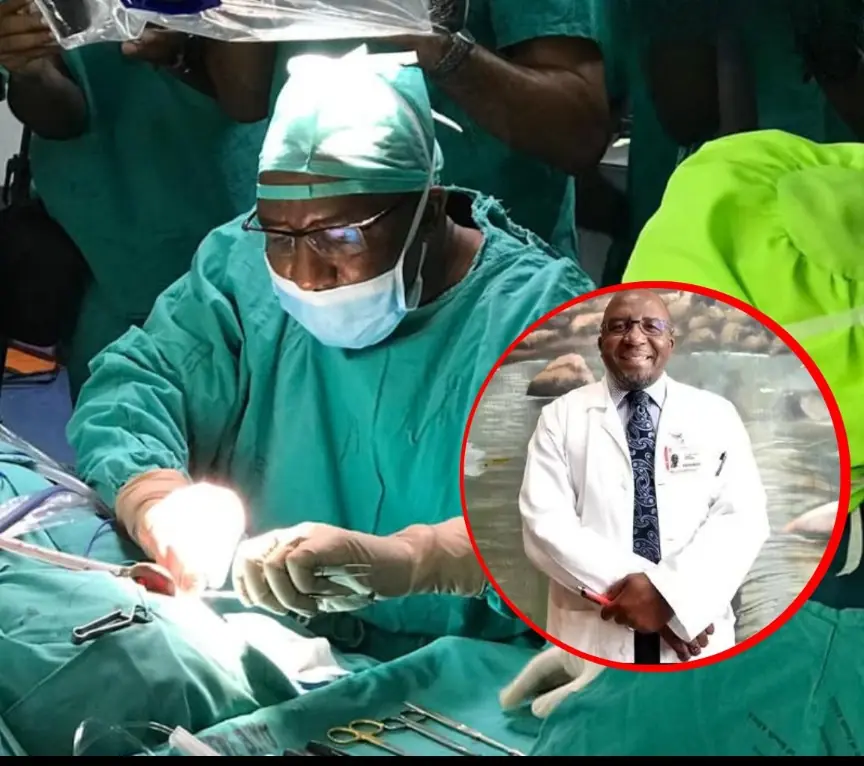
A Breakthrough Years in the Making
Hearing loss affects more than 430 million people globally, according to health organizations. While hearing aids and cochlear implants have helped many, they do not restore natural hearing. Instead, they amplify or electronically translate sound.
This new surgical approach goes further. Rather than compensating for damaged hearing, it aims to repair it at the biological level.
The procedure reportedly involves transplanting critical inner-ear structures responsible for sound transmission—structures once believed to be impossible to repair due to their extreme sensitivity and complexity.
Why the Inner Ear Is So Difficult to Treat
The inner ear contains microscopic components that convert sound waves into nerve signals sent to the brain. Damage to these structures—whether from genetics, infection, aging, or noise exposure—has long been considered permanent.
Key challenges include:
-
Extremely delicate tissue
-
Limited blood supply
-
High risk of immune rejection
-
Lack of natural regeneration
Because of these obstacles, inner-ear transplantation was once viewed as unrealistic. This successful surgery challenges that assumption.
Inside the Groundbreaking Surgery
During the procedure, surgeons worked under intense magnification and precision. The operation required:
-
Hours of microsurgery
-
Careful control of blood flow
-
Exact alignment of transplanted tissue
-
Continuous monitoring of nerve function
Every movement carried risk. A single mistake could permanently damage balance, facial nerves, or remaining hearing.
Despite these challenges, the surgical team completed the operation successfully—an achievement many experts describe as a milestone comparable to early heart or kidney transplants.
Early Results Offer New Hope
While long-term outcomes are still being studied, early signs suggest restored auditory response in the patient. This does not simply mean louder sound—it points toward the possibility of true sensory hearing recovery.
Doctors emphasize that this is not yet a widely available cure. However, proof that the surgery can be performed safely opens the door to further clinical trials and refinement.
What This Means for the Future of Deafness Treatment
If future studies confirm success, this breakthrough could reshape how hearing loss is treated worldwide.
Potential impacts include:
-
New treatment options for congenital deafness
-
Hope for patients with severe inner-ear damage
-
Reduced reliance on electronic hearing devices
-
Expansion of transplant medicine into sensory organs
Most importantly, it challenges the long-held belief that deafness is irreversible.
Caution and Scientific Responsibility
Medical experts urge caution. One successful surgery does not guarantee universal results. Questions remain about:
-
Long-term tissue survival
-
Immune response and rejection
-
Cost and accessibility
-
Ethical and donor-related considerations
As with any medical milestone, rigorous peer review and follow-up studies are essential before widespread adoption.
A Moment That Redefines Possibility
Every major medical advancement begins with a single moment—when theory becomes reality. This surgery represents more than a technical achievement; it represents hope for millions who were told that silence was permanent.
While the journey toward a global cure for deafness is far from complete, this operation proves that the impossible can become achievable.
The future of hearing restoration may have just taken its first real step forward.