A Big Belly Doesn’t Always Mean Fat: How to Tell the Difference Between Belly Fat and Liver Disease
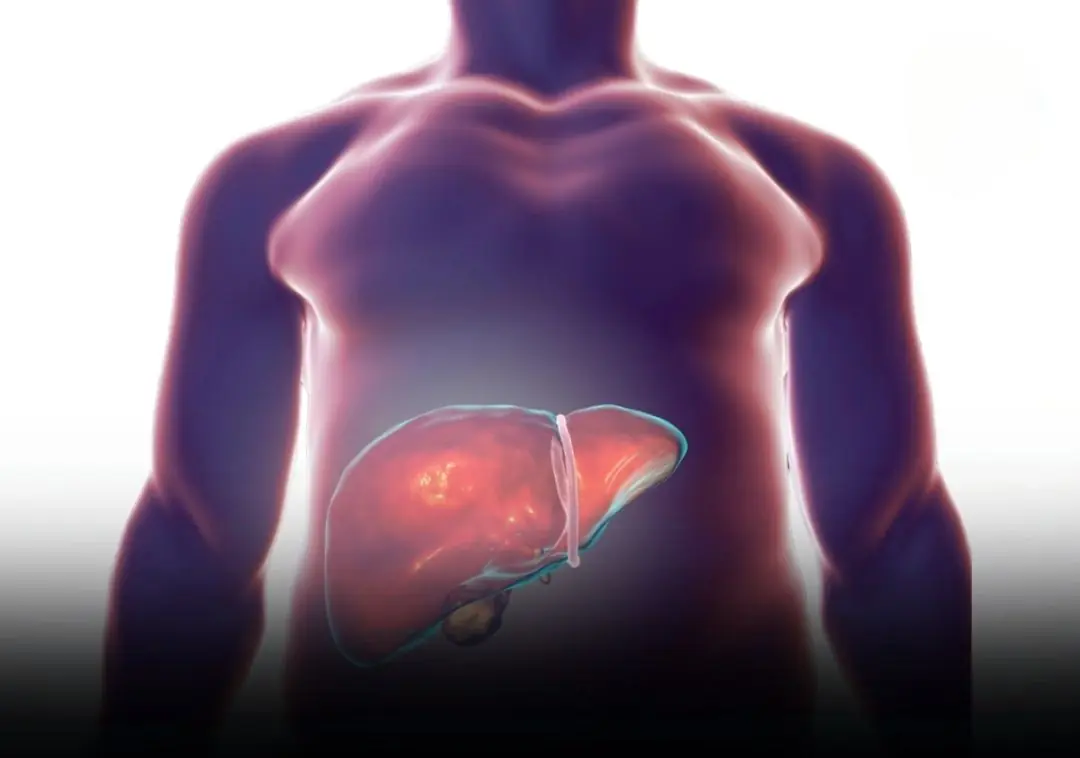
A growing belly is often blamed on weight gain, poor diet, or lack of exercise. However, not every enlarged abdomen is caused by excess fat. In some cases, a protruding belly may be a warning sign of underlying liver disease, a condition that can progress silently for years before serious symptoms appear.
Understanding the difference between simple belly fat and liver-related abdominal enlargement is crucial for early detection and timely medical care.
What Causes Belly Fat?
Belly fat, especially visceral fat, develops when excess calories are stored deep inside the abdomen, surrounding internal organs.
Common characteristics of belly fat include:
-
Soft or doughy texture
-
Fat distributed around the waist and hips
-
Gradual increase over time
-
Improvement with diet, exercise, and weight loss
Belly fat is often linked to lifestyle factors such as sedentary habits, high-sugar diets, stress, and poor sleep. While it increases the risk of heart disease and diabetes, it is usually reversible with consistent lifestyle changes.
When a Big Belly Is Not Just Fat
In contrast, abdominal enlargement caused by liver disease is often related to fluid buildup (ascites) or liver enlargement due to inflammation or scarring.
Liver-related abdominal swelling may show these signs:
-
A firm or tight abdomen
-
Rapid belly growth over weeks or months
-
A stretched or shiny appearance of the skin
-
Discomfort or pressure rather than softness
This type of swelling is not caused by fat storage and does not improve with exercise or dieting.
Key Warning Signs of Liver Disease
A big belly linked to liver disease rarely appears alone. It is often accompanied by other symptoms that people tend to ignore.
Watch closely for:
-
Persistent fatigue or weakness
-
Loss of appetite or unexplained weight loss
-
Nausea or frequent bloating
-
Yellowing of the eyes or skin (jaundice)
-
Dark urine or pale stools
-
Easy bruising or bleeding
-
Swelling in the legs or ankles
These symptoms suggest that the liver may be struggling to perform its essential functions, such as detoxifying the blood, regulating fluids, and producing proteins.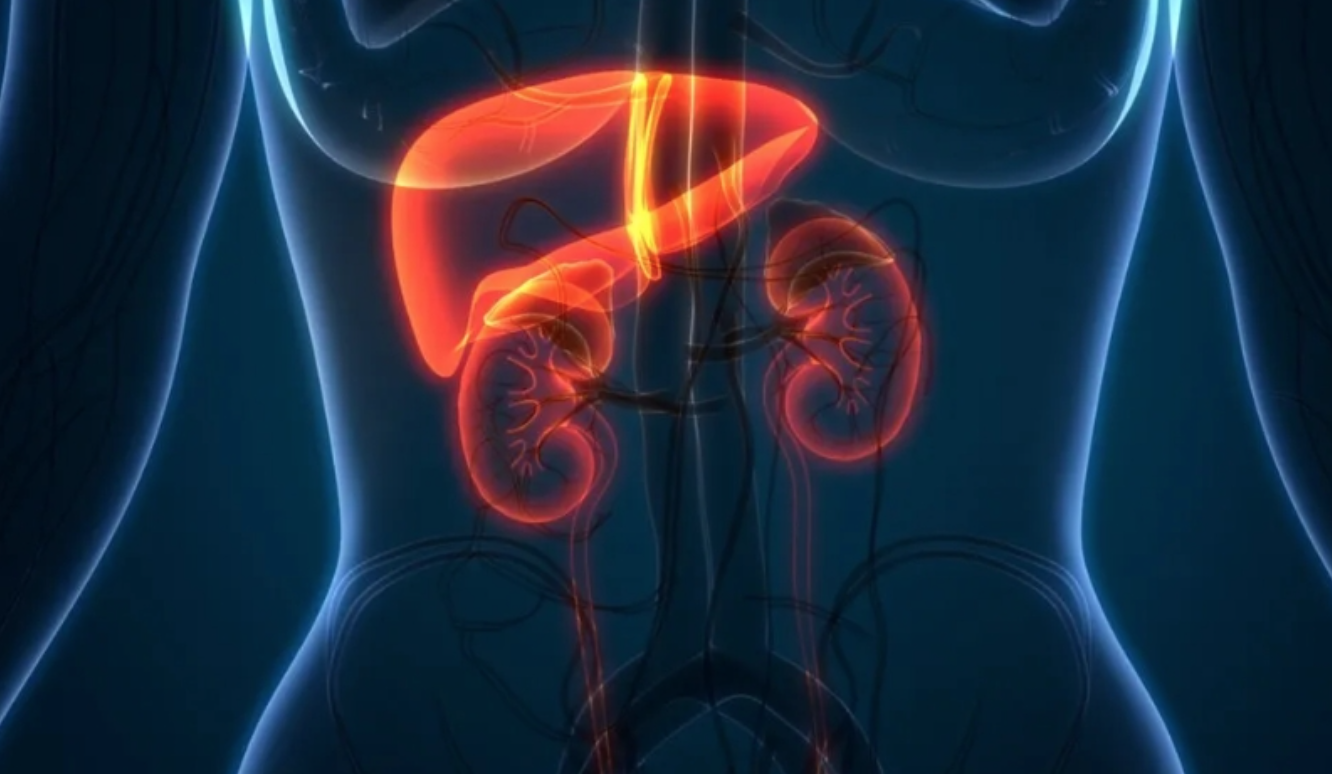
Texture and Shape Matter
One simple but important difference is how the belly feels.
-
Belly fat feels soft and can be pinched.
-
Ascites caused by liver disease feels tense and firm, almost like a balloon filled with water.
In some cases, tapping one side of the abdomen may cause a wave-like movement across the belly, a classic sign of fluid accumulation rather than fat.
Why Liver Disease Is Often Missed
Liver disease is known as a “silent condition” because early stages may not cause pain. The liver can function even when partially damaged, allowing the disease to progress unnoticed.
Many people assume:
-
Their belly is getting bigger due to age
-
They simply need to lose weight
-
Occasional fatigue is normal
As a result, medical care is often delayed until serious damage has already occurred.
Who Is at Higher Risk?
Certain groups are more vulnerable to liver disease, even if they are not overweight.
Higher-risk factors include:
-
Excessive alcohol consumption
-
Fatty liver disease related to diabetes or insulin resistance
-
Chronic viral hepatitis
-
Long-term medication use affecting the liver
-
Family history of liver conditions
Importantly, people with normal body weight can still develop liver disease, making belly size alone an unreliable indicator of health.
When to See a Doctor
A growing belly should never be ignored if:
-
It increases rapidly
-
It feels hard or uncomfortable
-
It comes with fatigue, swelling, or digestive changes
-
Weight loss does not reduce abdominal size
Simple tests such as blood work, ultrasound, or CT scans can help determine whether the cause is fat accumulation or liver-related fluid retention.
The Bottom Line
A big belly is not always about fat. Sometimes, it is the body’s way of signaling deeper trouble beneath the surface.
Paying attention to texture, speed of growth, and accompanying symptoms can help distinguish between lifestyle-related weight gain and a potentially serious liver condition.
Listening early can prevent irreversible damage later.