Fatty liver disease has quietly become one of the most common liver conditions worldwide. Often developing without obvious symptoms, it
can progress unnoticed for years until more serious liver damage occurs. Understanding what fatty liver is, why it happens, and how it can be
managed is essential for protecting long-term liver health.
This article provides a clear, comprehensive overview of fatty liver disease, including its causes, symptoms, medical treatments, and
supportive home remedies.
What Is Fatty Liver Disease?
Fatty liver disease occurs when excess fat accumulates in liver cells. A healthy liver contains some fat, but when fat makes up more than 5–10%
of the liver’s weight, it is considered abnormal.
There are two main types:
-
Non-Alcoholic Fatty Liver Disease (NAFLD): Not related to alcohol consumption and commonly linked to metabolic conditions.
-
Alcoholic Fatty Liver Disease (AFLD): Caused by excessive alcohol intake.
If left unmanaged, fatty liver disease can progress to inflammation, scarring (fibrosis), cirrhosis, and even liver failure.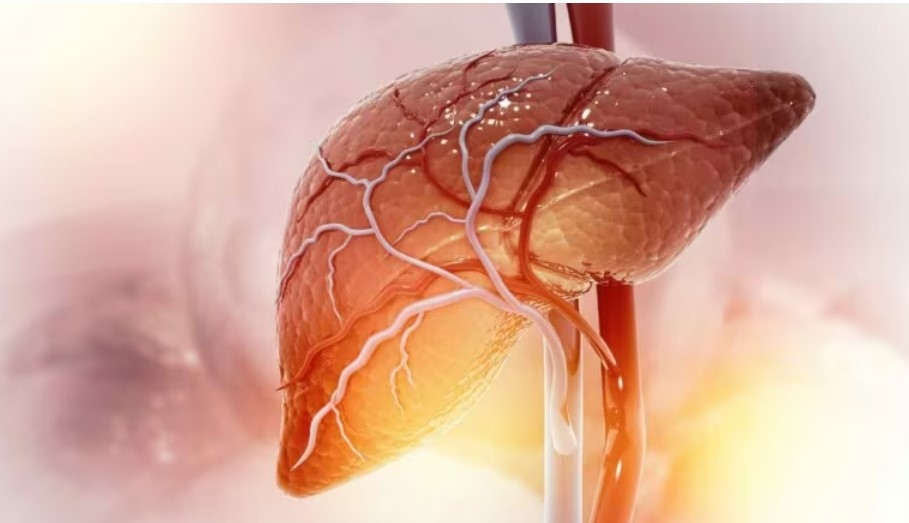
Causes of Fatty Liver Disease
Fatty liver disease is often the result of lifestyle, metabolic, and dietary factors. Common causes include:
1. Excess Body Weight
Obesity, particularly abdominal obesity, is one of the strongest risk factors. Excess fat increases insulin resistance, which promotes fat storage
in the liver.
2. Poor Diet
Diets high in refined carbohydrates, sugary drinks, processed foods, and saturated fats can overload the liver with fat.
3. Insulin Resistance and Type 2 Diabetes
When insulin does not work effectively, the body stores more fat in the liver. People with diabetes are at significantly higher risk.
4. High Cholesterol and Triglycerides
Elevated blood fats increase the likelihood of fat deposition in liver tissue.
5. Excessive Alcohol Consumption
Alcohol disrupts fat metabolism in the liver, leading to fat buildup and inflammation.
6. Certain Medications
Some drugs, such as corticosteroids, chemotherapy agents, and long-term use of certain painkillers, may contribute to fatty liver.
7. Rapid Weight Loss or Malnutrition
Sudden changes in nutrition can interfere with normal liver fat processing.
Symptoms of Fatty Liver Disease
One of the most challenging aspects of fatty liver disease is that it often causes no symptoms in the early stages. When symptoms do occur,
they may include:
-
Persistent fatigue or weakness
-
Discomfort or dull pain in the upper right abdomen
-
Bloating or digestive discomfort
-
Unexplained weight changes
-
Loss of appetite
As the disease progresses, more serious signs may appear, such as:
-
Yellowing of the skin or eyes (jaundice)
-
Swelling in the abdomen or legs
-
Easy bruising
-
Confusion or difficulty concentrating
These symptoms require immediate medical attention.
How Fatty Liver Is Diagnosed
Doctors may diagnose fatty liver disease using:
-
Blood tests showing elevated liver enzymes
-
Ultrasound, CT scan, or MRI imaging
-
FibroScan to assess liver stiffness
-
In some cases, a liver biopsy
Early diagnosis significantly improves treatment outcomes.
Medical Treatment Options
There is no single medication that cures fatty liver disease, but treatment focuses on addressing the underlying causes.
1. Weight Management
Losing 5–10% of body weight can significantly reduce liver fat and inflammation.
2. Blood Sugar and Cholesterol Control
Managing diabetes and lipid levels helps prevent further liver damage.
3. Alcohol Cessation
For alcoholic fatty liver disease, stopping alcohol consumption is essential and often reverses early damage.
4. Medication Management
Doctors may adjust or review medications that affect liver function.
5. Regular Monitoring
Ongoing blood tests and imaging help track liver health and prevent progression.
Home Remedies and Lifestyle Support
While home remedies cannot replace medical care, they play a crucial role in supporting liver recovery and preventing progression.
1. Adopt a Liver-Friendly Diet
-
Focus on vegetables, fruits, whole grains, and lean proteins
-
Reduce sugar, refined carbohydrates, and fried foods
-
Increase fiber intake to support metabolism
2. Stay Physically Active
Regular exercise improves insulin sensitivity and helps reduce liver fat. Even brisk walking for 30 minutes a day can make a difference.
3. Stay Hydrated
Water supports liver detoxification processes and overall metabolic health.
4. Limit Alcohol Completely
Even moderate drinking can worsen fatty liver, especially in those already affected.
5. Manage Stress and Sleep
Chronic stress and poor sleep disrupt hormones that regulate fat storage and inflammation.
6. Be Cautious With Supplements
Some herbal remedies are marketed for “liver detox,” but not all are safe. Always consult a healthcare provider before using supplements.
Can Fatty Liver Be Reversed?
In many cases, yes - especially when caught early. Fatty liver disease is often reversible with consistent lifestyle changes, including healthy
eating, weight loss, and exercise. The liver has a remarkable ability to heal when given the right conditions.
However, once the disease progresses to cirrhosis, damage may become permanent. This makes early action critically important.
Prevention Tips
-
Maintain a healthy weight
-
Eat a balanced, nutrient-rich diet
-
Exercise regularly
-
Limit alcohol intake
-
Get routine health checkups
Conclusion
Fatty liver disease is common, often silent, and potentially serious - but it is also manageable and, in many cases, reversible. Understanding its
causes, recognizing early symptoms, and making informed lifestyle choices can dramatically reduce the risk of long-term liver damage.
If symptoms appear or risk factors are present, seeking medical advice early is the most effective step toward protecting liver health. Small
changes today can prevent major complications in the future.